Rift Between Maj Gen Otafiire And Gen Muhoozi Deepen As Succession Debate Draws In President Museveni
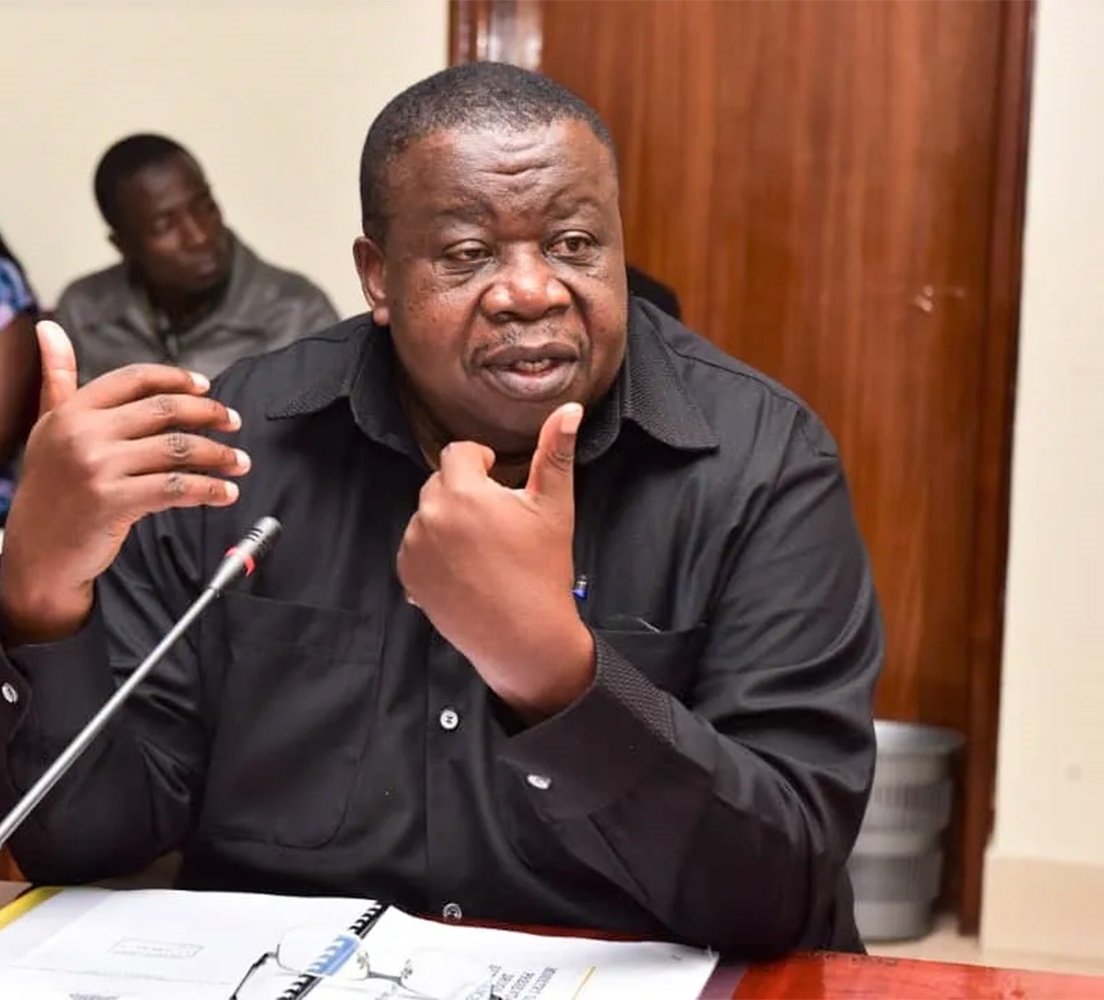
Maj Gen (Rtd) Kahinda Otafiire
HABARI DAILY I Kampala, Uganda I A simmering political rift between Minister of Internal Affairs, Maj Gen (Rtd) Kahinda Otafiire, and Uganda’s Chief of Defence Forces, Gen Muhoozi Kainerugaba, has burst into the open, laying bare deepening divisions within the ruling National Resistance Movement (NRM) over the country’s future leadership and the sensitive question of presidential succession.
The latest exchange, conducted publicly on social media, underscores how the succession debate is increasingly entangling senior figures and drawing in President Yoweri Museveni himself. At the heart of the fallout is Otafiire’s firm opposition to any plan that would see Muhoozi succeed his father as president.
Speaking recently to his constituents in Ruhinda North, Otafiire — one of the historical figures of the NRM bush war — made it clear that while he harbours no personal animosity toward Muhoozi, he strongly objects to the idea of a Muhoozi presidency. “People say I hate Muhoozi, the president’s son. No, I hate a Muhoozi presidency,” Otafiire said, warning that such a transition would have serious consequences for ordinary Ugandans.
No fear of death
“It’s you the people who pay for the consequences because I’ll long be gone (dead),” he added, insisting that his views were driven by concern for the country’s future rather than personal interest. He further stated that he had little to fear, having already risked his life during the 1981–86 guerrilla war that brought the NRM to power.
These remarks prompted a swift and sharp response from Gen Muhoozi, who accused Otafiire of dragging him into personal disagreements with President Museveni. “Hon. Otafiire should stop trying to use me in his fights with my father,” Muhoozi wrote in an early morning post on X. He added cryptically: “He has a very big problem with Mzee, he knows it. Let us see if Mzee arrests him.”
The comments escalated tensions, especially when Muhoozi later suggested that arresting Otafiire would take “half a second” if the president so decided. Otafiire dismissed the threat with a mocking “LOL,” underscoring his defiance and signalling that he was unshaken by intimidation.
The public exchange has exposed widening cracks within the NRM, particularly between veteran bush war figures and a younger political faction rallying behind Muhoozi. For decades, Otafiire has been one of the movement’s most outspoken and independent voices, unafraid to challenge decisions he believes undermine the party’s founding principles. His opposition to dynastic succession reflects a broader concern among some senior cadres that Uganda risks sliding into hereditary rule, a scenario they argue contradicts the values of the liberation struggle.
Modern military professionalism
On the other hand, Muhoozi’s supporters portray him as a symbol of generational transition, fresh leadership and modern military professionalism. They argue that his rise reflects changing political realities and the need for continuity, stability and strategic security in an increasingly volatile region.
By invoking President Museveni in his response, Muhoozi has effectively placed the rift within a broader father-son dynamic, hinting at unresolved tensions between Otafiire and the president himself. This has fuelled speculation that Otafiire’s objections are not merely about Muhoozi, but also about Museveni’s long grip on power and the direction of the NRM after nearly four decades in office.
Political analysts say the exchange reflects mounting anxiety within the ruling party as the 2031 succession horizon draws closer. With Museveni constitutionally eligible to contest again, the lack of a clear transition plan has created uncertainty, factionalism and heightened sensitivity around any perceived grooming of a successor.
Balaam Barugahara dragged in as well
The involvement of junior political actors further illustrates how volatile the issue has become. Minister of State for Youth and Children Affairs Balaam Barugahara sought to reassure supporters of Muhoozi, framing the debate as a normal democratic process in which citizens would ultimately decide. Meanwhile, Otafiire’s son, Che Otafiire, attempted to defuse tensions, insisting that there was no personal hatred between the two generals and blaming unnamed individuals for stoking discord behind the scenes.
Despite these conciliatory notes, the damage may already be done. The confrontation has highlighted the extent to which succession politics is straining relationships within the NRM’s top ranks, pitting revolutionary-era leaders against a new generation eager to chart its own course.
As Uganda inches closer to the next electoral cycle, the dispute between Otafiire and Muhoozi serves as a reminder that the question of “who comes next” remains unresolved — and increasingly divisive. Whether President Museveni intervenes to cool tensions or allows the debate to unfold publicly will shape not only the future of the NRM, but also the country’s political stability in the years ahead.
About the Author