
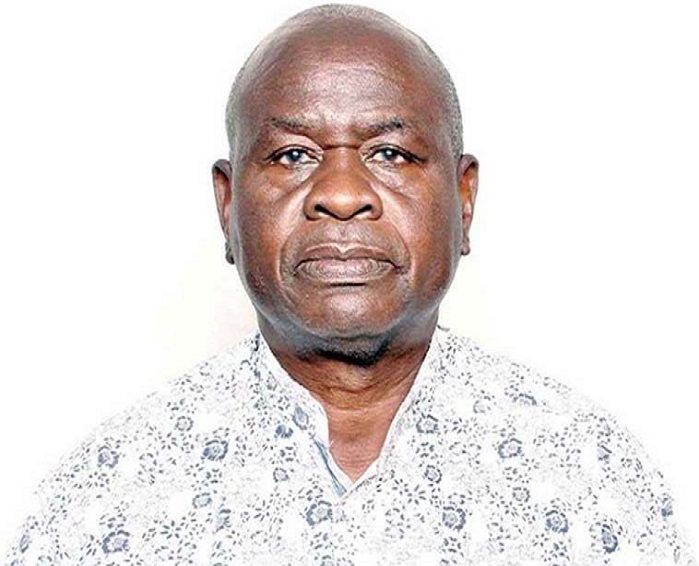
The late Dr. Wilfred Olila
HABARI DAILY I Kampala, Uganda I The sentencing of Paul Mugerwa to 40 years in prison for the murder of Dr. Wilfred Olila has been widely viewed as a reflection of the gravity, planning, and brutality surrounding the crime that shocked Northern Uganda.
The judgment, delivered by Justice Sarah Birungi Kalibala at the High Court in Lira, underscored several aggravating factors that justified the lengthy custodial sentence, even after the accused pleaded guilty.
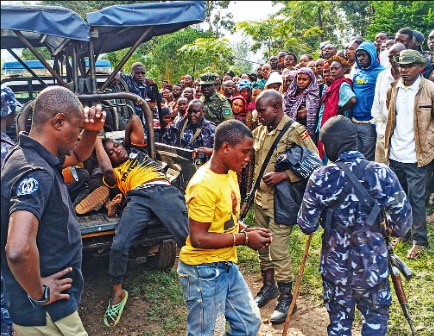
At the heart of the court’s decision was the premeditated nature of the crime, which distinguished it from a spontaneous act of violence. Court records revealed that Mugerwa deliberately orchestrated the kidnapping of Dr. Olila from Lira Hotel in January 2025. The planning involved targeting the victim, executing the abduction, and ultimately ending his life before disposing of the body in Kalaki District.
Moral culpability
In her ruling, Justice Kalibala emphasized that crimes involving prior planning demonstrate a higher degree of moral culpability and therefore attract harsher punishment. The court noted that Mugerwa’s actions were calculated and executed with intent, eliminating any possibility of leniency on grounds of impulsiveness.
The manner in which the murder was carried out also weighed heavily on sentencing. Mugerwa admitted to strangling the doctor after kidnapping and robbing him—an act the court described as both violent and inhumane. The combination of kidnapping, robbery, and murder painted a picture of a sustained criminal enterprise rather than a single isolated offence.
Legal analysts note that such layered criminal conduct often leads courts to impose stiffer penalties, as it reflects a pattern of deliberate wrongdoing rather than a momentary lapse in judgment.
Another critical factor was the status and vulnerability of the victim. Dr. Olila was not only a retired medical professional but also a respected ear, nose, and throat specialist who had served as a lecturer at Soroti University and operated New Moroto Nursing Home in Lira. His contributions to healthcare in the Lango sub-region made his death particularly devastating.
Grief and condemnation
The court acknowledged that the killing of a prominent and service-oriented citizen amplified the societal impact of the crime. His murder triggered widespread grief and condemnation, with many describing it as a significant loss to the medical community.
“The deliberate taking of life, especially under such circumstances, demands a sentence that reflects both punishment and deterrence,” the court observed, reinforcing the judiciary’s duty to protect society and uphold justice.
Mugerwa’s guilty plea, while considered by the court, did not substantially reduce the sentence due to the weight of the aggravating circumstances. Although guilty pleas can sometimes attract leniency for saving court time and sparing victims’ families prolonged trials, the judge ruled that in this case, the severity of the crime outweighed any mitigating value.
In addition to the murder conviction, Mugerwa was handed a 20-year sentence for aggravated robbery, to run concurrently with the 40-year term. This sentencing structure reflects the court’s recognition of multiple offences committed during the same criminal episode.
Prosecution, led by Chief State Attorney Jonathan Okello, successfully demonstrated that Mugerwa’s actions were intentional, coordinated, and driven by criminal motive, leaving little room for judicial mercy.
The disposal of the body in Kalaki District further aggravated the case, as it indicated an attempt to conceal evidence and evade detection. Courts often interpret such actions as a sign of consciousness of guilt, reinforcing the seriousness of the offence.
Horror of violent crime
Beyond the individual case, the ruling sends a strong message about the judiciary’s stance on violent crime. By imposing a lengthy sentence, the High Court signaled its commitment to deterrence, particularly in cases involving premeditated murder and abuse of trust.
For the family of Dr. Olila and the wider Northern Uganda community, the sentence brings a measure of closure, though it cannot undo the loss. The case had sparked fear and outrage, highlighting concerns over safety and the targeting of professionals.
Legal observers say the outcome reaffirms the principle that justice must not only be done but be seen to be done, especially in cases that deeply affect public confidence in security and the rule of law.
Ultimately, Mugerwa’s 40-year sentence reflects a convergence of factors—premeditation, brutality, multiple offences, and the profound societal impact of the crime—making it one of the more severe punishments handed down in recent years by the High Court in Lira.







About the Author