

Rising Death Toll Across Middle East: Casualties Mount In Israel As Iran Bears The Heaviest Toll
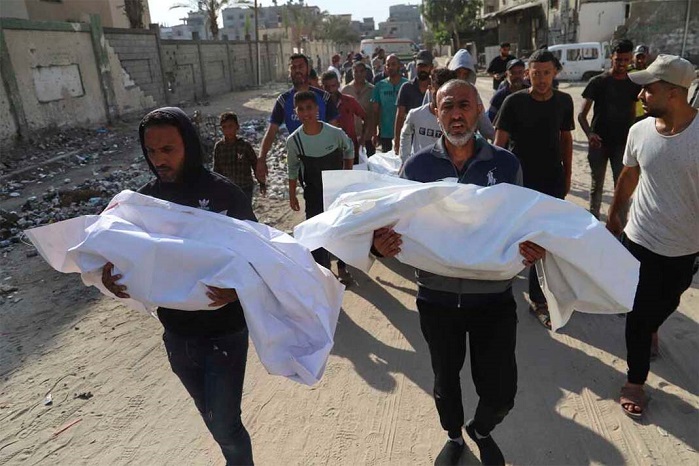
The human cost of the war depicted all over the Middle East
HABARI DAILY I Kampala, Uganda I The ongoing conflict involving the United States, Israel and Iran has triggered a deadly regional escalation, with thousands killed and tens of thousands injured across at least nine countries since late February.
What began on February 28 with US and Israeli strikes on Iranian nuclear, military and civilian targets has rapidly evolved into one of the most widespread confrontations in recent Middle Eastern history. Iran has retaliated with missile and drone attacks targeting US-linked installations and Israeli assets across the region, drawing in multiple countries and armed groups.
According to official figures released by national authorities, the human cost of the war continues to climb sharply, with civilians bearing the brunt of the violence.
Iran has recorded the highest number of casualties so far. The country’s Ministry of Health reports that at least 2,076 people have been killed since the start of the conflict, with more than 26,500 injured.
In a statement, Iranian health authorities said the victims include “people ranging in age from eight months to 88 years,” underscoring the widespread civilian impact. The ministry added that at least 240 women and 212 children are among the dead, while thousands more women and children are counted among the injured.
Iranian state media has framed retaliatory strikes as a justified response to attacks on strategic facilities, including the Natanz uranium enrichment complex, marking what officials described as a “new phase” of escalation.
Israel counts losses
In Israel, the Ministry of Health has confirmed 26 deaths and 7,693 injuries resulting from Iranian missile and drone attacks.
Authorities have urged caution among civilians responding to air raid sirens. “People must move to shelters with care,” the ministry said in a public advisory, noting that a number of injuries occurred as residents rushed for cover during alerts.
Some of the heaviest casualties were reported in the southern city of Dimona and nearby Arad, where approximately 180 people were wounded in a major missile barrage targeting areas near Israel’s nuclear facilities.
US Military Losses
The US military has confirmed 13 combat-related deaths since the conflict began, alongside approximately 200 injuries among service members stationed across the Middle East.
In a statement, United States Central Command said six personnel were killed when a refuelling aircraft crashed in western Iraq on March 13. Another service member died in Kuwait due to what officials described as a “health-related incident.”
Regional Impact
The conflict has spilled into multiple Gulf and Middle Eastern states, many of which host US military bases.
In Bahrain, at least three people have been killed and dozens injured. The Ministry of Interior confirmed fatalities linked to missile debris and direct strikes on residential areas, including the death of a 29-year-old woman in the capital, Manama.
Iraq has recorded at least 118 deaths, most of them members of the Popular Mobilisation Forces. Iraqi health authorities say dozens more have been injured in strikes targeting military installations and surrounding areas.
In Jordan, officials have reported 29 injuries but no fatalities, largely attributed to falling debris from intercepted projectiles.
Kuwait has confirmed seven deaths, including a child killed by shrapnel and emergency responders who died in the line of duty. Authorities say dozens more have been injured.
Lebanon Devastated
The situation in Lebanon has been particularly severe, with the Ministry of Public Health reporting 2,089 deaths and 6,792 injuries since renewed Israeli bombardments began on March 2.
Officials say more than one million people have been displaced. In one of the deadliest days, over 300 people were killed in a single wave of attacks, highlighting the scale of destruction.
Gulf States Report Casualties
In Oman, three people have been killed and 15 injured in drone strikes and maritime attacks, according to the Oman News Agency.
Qatar has reported 20 injuries, including civilians hurt by falling debris after missiles struck near key installations such as Al Udeid airbase.
In Saudi Arabia, three people have been killed and 29 injured in attacks on residential and energy infrastructure, with authorities confirming casualties among industrial workers.
Meanwhile, the United Arab Emirates has recorded 12 deaths and 224 injuries. The Ministry of Defence said two servicemen were killed in a helicopter crash caused by a “technical malfunction,” while other casualties resulted from missile and drone attacks.
Global Concern
The conflict has further intensified with the involvement of regional armed groups, including Yemen’s Houthi rebels, who launched ballistic missile attacks on Israel on March 28—their first since the war began.
Although many incoming projectiles have been intercepted, the widespread nature of the attacks has stretched air defence systems and heightened fears of further escalation.
Officials across the region continue to warn that casualty figures may rise as the situation evolves. With multiple countries now directly affected, the war has transformed into a complex, multi-front crisis with significant humanitarian consequences.
As governments issue repeated advisories urging civilians to seek shelter and remain vigilant, the growing death toll underscores the devastating human cost of a conflict that shows little sign of abating.
About the Author