
Aliko Dangote
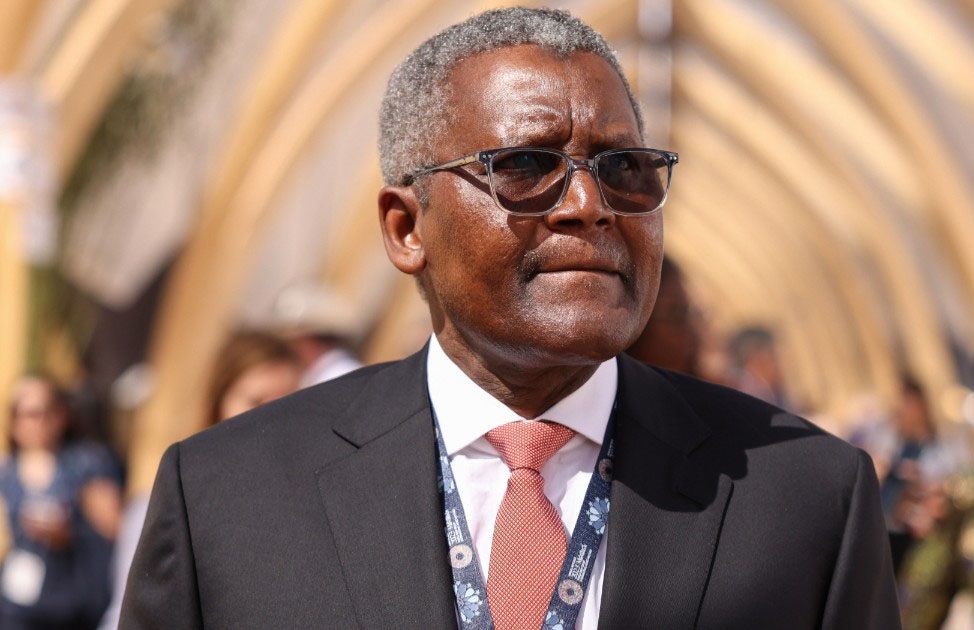
HABARI DAILY I Kampala, Uganda I Africa’s richest man, Aliko Dangote, has issued a stinging indictment of corruption, sabotage and entrenched vested interests within Nigeria’s oil regulatory authorities, warning that unless the rot is decisively uprooted, the country’s most lucrative sector will remain trapped in inefficiency and stagnation.
Speaking candidly about his experiences since the inauguration of his $20 billion Dangote Oil Refinery, the Nigerian billionaire described a hostile operating environment marked by intimidation, sabotage and corruption, allegedly perpetuated by powerful oil marketers and regulatory officials. Dangote singled out the Nigerian Midstream and Downstream Petroleum Regulatory Authority (NMDPRA), Nigeria’s primary oil regulatory body, following a reported $5 million corruption scandal involving its leadership.
From the outset, Dangote said his relationship with oil marketers and regulators has been deeply strained, with vested interests fighting to preserve the profitable importation of refined petroleum products, even at the expense of local refining capacity.
“For the marketers, I pray and wish they will even lose more, because I’m not printing money, I’m also losing money. They want imports to continue, I don’t think it is right,” Dangote said. “So I must have a strategy of how to survive, because $20 billion of investment is too big to fail.”
He warned that Nigeria is locked in a “cat and mouse” struggle between reform-minded investors and entrenched oil cartels, predicting that eventually one side will be forced to give way.
“We will continue to play cat and mouse, and at the end of the day, somebody will give up — either we give up, or they will give up,” he added.
Dangote also shed light on the systemic sabotage that has crippled Nigeria’s state-owned refineries for decades, citing the Port Harcourt Refinery as a prime example. According to him, the facility’s rehabilitation was persistently undermined by deliberate acts intended to prevent it from becoming operational.
“I’m telling you, he (former NNPC boss Mele Kyari) told me that they had more than 100 sabotages at the refinery,” Dangote revealed, suggesting that powerful interests stood to lose billions if domestic refining succeeded.
He said similar acts of sabotage have targeted his own refinery, including the theft of critical components from key installations. One particularly disturbing incident involved the removal of spare parts from a massive industrial boiler — the largest of its kind ever built — designed to support refinery operations.
“We have a boiler, 400 tons, the largest boiler ever built in the world. It was under operation, someone went there and removed a spare part from it,” he said.
Dangote estimates that his refinery has lost around $82 million worth of equipment and materials due to theft and sabotage. He alleged that the ultimate objective was to trigger massive insurance claims, thereby driving up the facility’s insurance premiums and crippling operations financially.
“What they were actually trying to do is to make sure that we go and put a massive claim on insurance. So when we put the massive claims, our insurance premium will go up,” he said, adding that the refinery now employs more security personnel than actual workers.
Perhaps most alarming was Dangote’s description of Nigeria’s so-called “oil mafia,” which he said is even more dangerous than international drug cartels.
“That’s why I told you the drug mafia, they are actually smaller than the people who are in oil and gas, because most of the people who are in drugs, they know themselves, but in the oil sector they have roped so many people in,” he said.
Dangote’s blunt assessment underscores the depth of institutional decay in Nigeria’s oil governance framework, where regulators, marketers and criminal networks allegedly collude to preserve an import-dependent system that drains national resources.
Despite the obstacles, Dangote said he remains determined to see his refinery succeed, arguing that Nigeria’s economic future depends on building strong domestic industrial capacity. However, he did not mince words about the toll such ventures take.
“Running a refinery is so stressful that if I have a big enemy, my prayer for him is to go and build a refinery,” he remarked.
As Nigeria grapples with fuel shortages, forex pressures and economic uncertainty, Dangote’s revelations have reignited calls for sweeping reforms in the oil sector. Analysts say that dismantling corruption within regulatory authorities is essential not only for protecting local investment but also for securing Nigeria’s energy independence and long-term economic stability.
For now, Dangote’s fight against the oil mafia stands as a stark illustration of the high stakes involved in reforming one of Africa’s most powerful and opaque industries.







About the Author