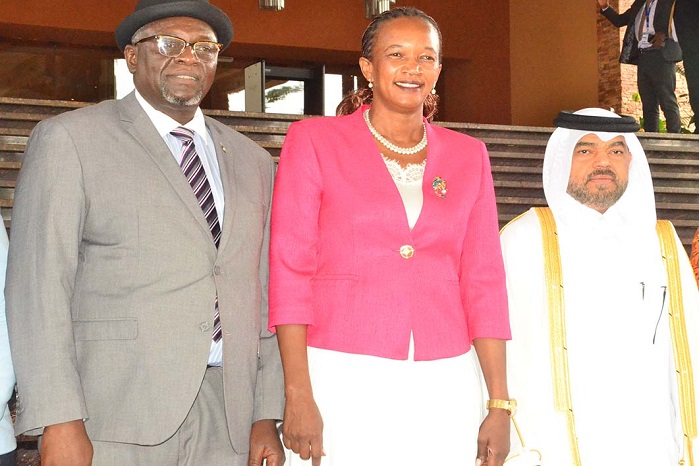

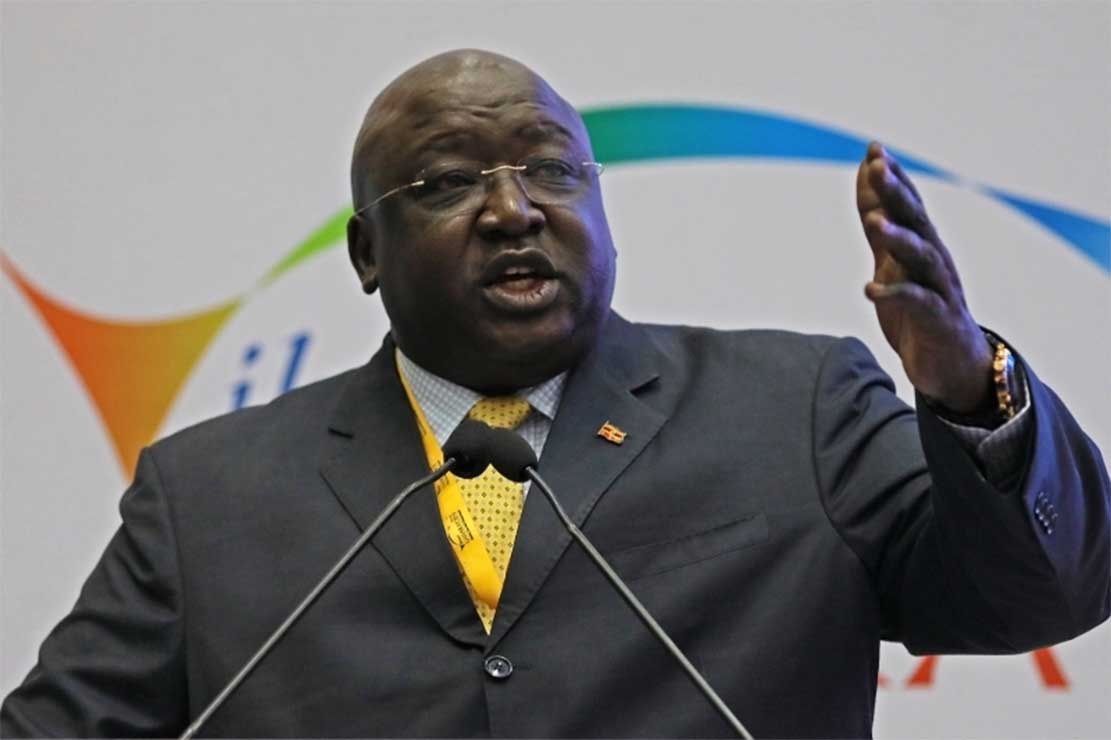
Henry Okello Oryem
HABARI DAILY I Kampala, Uganda I The fate of Ugandan housemaid Vicky Ajok hangs in the balance as she faces a murder trial in Syria that could result in the death sentence, sparking diplomatic intervention, public concern and renewed debate over the safety of Ugandan migrant workers in the Middle East.
Ajok, a young domestic worker from northern Uganda, is accused of causing the death of her employer, veteran Syrian actress Huda Shaarawi, 87, inside her home in Damascus in late January. Syrian authorities allege that a confrontation between the two escalated into violence, leading to fatal injuries. They claim Ajok later confessed in a recorded video, although her family and representatives strongly dispute the circumstances under which the confession was obtained.
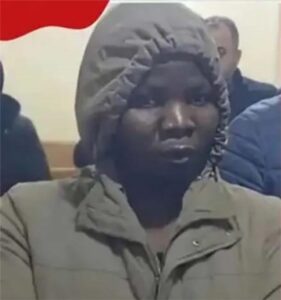
Vicky Ajok
Reports circulating on social media and some international outlets earlier this week suggested that Ajok had already been sentenced to death and that her execution was imminent. The alarming claims triggered panic among her relatives and prompted urgent diplomatic engagement by the Ugandan government.
Uganda tables appeal
Uganda’s State Minister for Foreign Affairs, Henry Okello Oryem, on Friday condemned the reports, insisting that Kampala is doing everything possible to protect Ajok and ensure she receives fair treatment.
“The government of Uganda is doing everything possible through our missions in Egypt accredited to Damascus to ensure that she gets full justice and, if possible, her release,” Okello Oryem said.
He added that Ugandan authorities do not believe Ajok committed the alleged murder. “We do not believe that Vicky Ajok did murder her employer. We think there is more to this story than meets the eye,” he said, urging Syrian authorities to investigate further and to show compassion.
“We call upon the government of Syria to forgive Ajok for whatever crimes they allege against her, because we are very sure, based on what she has told us, that she is innocent and did not cause that death. Under no circumstances should they take advantage of this lady and execute her,” the minister stressed.
No death sentence yet
Clarifying the legal position, the Honorary Consul of the Syrian Arab Republic in Uganda, Dr Tamouh Moustafa, said no death sentence has been issued and that the judicial process is still ongoing.
“The legal process is ongoing. Yes, in Syria, the punishment for killing can be death, but it is not automatic or immediate,” Dr Moustafa told local media. He explained that Syrian courts consider mitigating circumstances, including the accused’s mental state, working conditions, and the context of the incident. He also noted that under Syrian law, the victim’s family has the right to grant forgiveness, which can significantly reduce or commute a sentence.
Despite these assurances, anxiety remains high among Ugandans, especially given Syria’s strict legal framework and the broader vulnerabilities faced by migrant domestic workers in the Middle East. Civil society organizations and human rights advocates have called for full legal access to Ajok, transparency in the proceedings, and adherence to international labour and human rights standards.







About the Author