
Muslims searching for Ramadan’s Crescent Moon
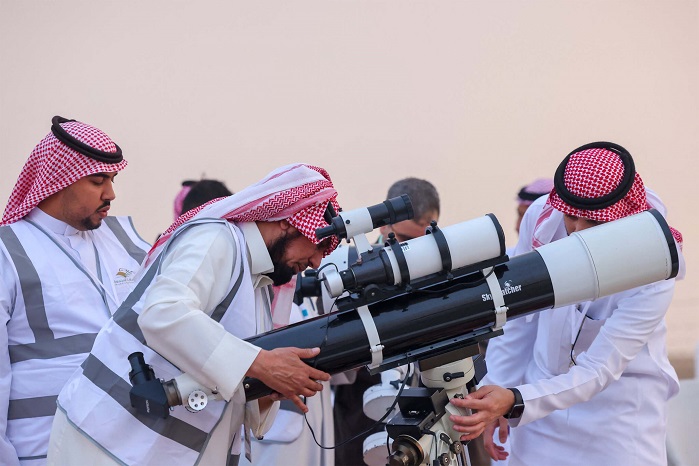
HABARI DAILY I Kampala, Uganda I Muslims across Uganda have been urged to look out for the sighting of the crescent moon this Tuesday evening, February 17, 2026, which will determine the official start of the holy month of Ramadhan.
The call was issued by religious leaders from the Uganda Muslim Supreme Council (UMSC), who said that if the moon is sighted, fasting will commence on Wednesday, February 18, 2026. Failure to sight the crescent will mean that Ramadhan begins on Thursday, February 19.
Dr Juma Lad Lubanga, Director of Sharia at UMSC, and Dr Abdul-Hanz Walusimbi from the Office of the Supreme Mufti, emphasized the importance of observing the traditional Islamic method of confirming the start of Ramadhan through moon sighting.
“We call upon all Muslims to look out for the crescent moon on Tuesday evening because if sighted, it will mark the beginning of fasting of the holy month of Ramadhan on Wednesday,” Dr Walusimbi said.
Fasting during Ramadhan is one of the five pillars of Islam and is obligatory for all adult Muslims who are physically and mentally fit. The fasting period lasts between 29 and 30 days, during which Muslims abstain from food, drink, and sexual relations from dawn until sunset.
Dr Walusimbi encouraged Muslims to dedicate themselves to acts of worship and charity throughout the holy month to maximize spiritual rewards. He urged believers to regularly recite the Holy Qur’an, engage in prayers, and support the needy, noting that generosity and compassion are central values during Ramadhan.
Sheikh Hassan Mayambala, Director of the Sabar Dawa Group of Uganda, said fasting goes beyond abstaining from food and drink, emphasizing that it requires moral discipline and good conduct.
“Whoever thinks that fasting is only about abstaining from food and drinks is at a loss. I advise Muslims to pray five times a day in addition to Taraweeh night prayers, support the poor, and do good if they want to benefit fully from fasting the holy month of Ramadhan,” Sheikh Mayambala said.
He added that fasting serves both spiritual and social purposes, helping believers to develop self-restraint and empathy. “God made fasting compulsory so that the rich experience hunger and develop mercy for the poor,” he explained.
Clerics further cited the teachings of Prophet Muhammad, stating that whoever fasts sincerely during Ramadhan, seeking reward from Allah, will have their previous sins forgiven.
However, exemptions apply to the sick, elderly, travelers, expectant, and breastfeeding mothers, although some are required to make up for missed fasts after recovery.
As Uganda’s Muslim community prepares for Ramadhan, leaders have called for unity, prayer, and generosity, urging believers to embrace the month as a time for reflection, spiritual renewal, and service to humanity.







About the Author