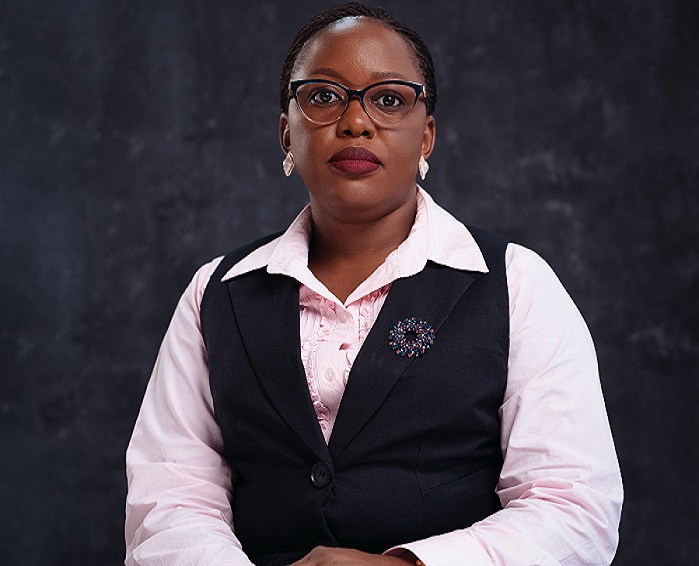


By Dr Ruth Aisha Biyinzika Kasolo
HABARI DAILY I Kampala, Uganda I Across Uganda, women have long carried the weight of families, communities, and economies. From tending crops and raising children to managing households and sustaining local markets, their labor has historically underpinned social stability.
Today, in a rapidly changing society, Ugandan women are redefining their roles, breaking barriers, and emerging as leaders in business, education, science, politics, and social space.
This is despite the persistent challenges such as poverty, gender-based violence, and unequal access to resources. Traditionally, gender roles in Uganda assigned women to domestic responsibilities, including cooking, fetching water, childcare, and subsistence farming.
Patriarchal society
Behind the rigid norms in our patriarchal society which calls upon women to unquestionably submit to their husbands, women have made enormous economic contributions, particularly in agriculture.
They have for many have for many years cultivated food and cash crops, sustained families, and in many cases, controlled land and production. Their roles have since expanded beyond the household into trade, entrepreneurship, and community leadership.
In modern Uganda, women’s achievements are increasingly visible. Women now lead businesses, serve in high-level government positions, excel in academia, and champion grassroots development.
They are shaping policies, managing institutions, and driving innovation. This progress has been catalyzed by legal reforms, targeted interventions, and a growing recognition that gender equality is central to national development.
Education opens doors
Education has been one of the most powerful drivers of change. Uganda ranks highly in primary school enrolment for girls, a testament to government policies promoting universal education. Educated women are more likely to access employment, manage finances, participate in leadership, and advocate for their rights.
In professional sectors such as medicine, law, engineering, journalism, and finance, Ugandan women are steadily increasing their presence, challenging stereotypes that once confined them to domestic spaces.
Women entrepreneurs
Women have also made remarkable strides in entrepreneurship. From agribusiness and manufacturing to technology and services, female-led enterprises are contributing significantly to the economy.
Initiatives under Uganda’s National Financial Inclusion Strategy are expanding women’s access to credit, banking, and investment. Programs such as the Generating Growth Opportunities and Productivity for Women Enterprises (GROW), Uganda Development Bank (UDB) initiatives that target women, EMYOGA, the Parish Development Model (PDM), among other initiatives targeting women
Many initiatives funded by the World Bank among other development partners, have prioritized funding for women-owned businesses. They have enabling them to scale up operations, create jobs, and stimulate local economies. Agriculture and agribusiness, in particular, have emerged as sectors where women are thriving as producers, processors, and exporters.
As women gain economic independence, families benefit from improved nutrition, healthcare, and education. Studies have also linked women’s economic empowerment to declining levels of domestic violence, as households experience greater stability and shared decision-making.
Milestones in Politics, science
Politically, Ugandan women have achieved notable milestones. Since independence, women have organized to influence policy, advocate for legal reforms, and defend their rights.
The introduction of affirmative action has ensured women’s representation in Parliament and local government councils. Today, women occupy influential positions as ministers, permanent secretaries, judges, ambassadors, and senior military officers.
Their presence in governance has amplified issues such as maternal health, education, land rights, and gender-based violence, embedding women’s concerns into the national policy agenda.
In science and innovation, Ugandan women are breaking new ground. Female scientists, researchers, and technologists are contributing to advancements in healthcare, agriculture, and environmental protection.
Their participation in research institutions and universities is helping to shape solutions to some of the country’s most pressing challenges, from disease control to climate resilience.
Obstacles intimidating
Yet, these achievements coexist with deep-rooted obstacles. Gender-based violence remains a pervasive problem, driven by poverty, illiteracy, and entrenched social norms.
Government and police reports indicate that domestic violence and sexual assault are widespread, with many communities still viewing wife beating as socially acceptable. Illiteracy and economic dependency further compound vulnerability, limiting women’s capacity to make informed decisions and assert their rights.
Education gaps persist, particularly at secondary and tertiary levels. While girls enroll in primary school at high rates, many drop out during adolescence due to poverty, early marriage, household labor demands, and teenage pregnancy.
Economic shocks, such as drought and crop failure, disproportionately affect girls’ schooling, forcing families to prioritize boys’ education. The consequences are severe: limited employment opportunities, exposure to exploitation, and cycles of intergenerational poverty.
How to overcome
Efforts to transform these realities have gained momentum. Gender-responsive budgeting, expanded access to clean water and electricity, and targeted social services have reduced women’s daily burdens, freeing time for education and income generation.
Civil society organizations such as The AIDS Support Organization (TASO) and youth clubs have equipped women and girls with life skills, reproductive health knowledge, and economic tools to make safer choices and build resilient futures.
However, the push for equality has not been without resistance. In some communities, women’s rising autonomy has triggered backlash, including increased domestic violence.
Studies in Rakai District revealed unease among both men and women as traditional gender hierarchies were challenged. These findings underscore the need for community dialogue and inclusive approaches that engage men as partners in promoting gender equality.
Despite these challenges, the trajectory of Ugandan women is one of resilience and progress. From pre-independence activism to contemporary leadership, women have persistently claimed space, voice, and opportunity.
Their achievements are not only personal triumphs but national gains, driving economic growth, social cohesion, and human development.
As Uganda advances toward its long-term development goals, the empowerment of women stands as both a moral imperative and a strategic necessity.
Investing in women’s education, health, safety, and economic participation yields dividends that ripple across generations. In this modern age, Ugandan women are no longer confined by tradition—they are innovators, leaders, and architects of change, shaping a more equitable and prosperous future for the nation.







The writer is a woman empowerment advocate and member of the board of the Presidential CEO Forum
About the Author