
Iran’s arsenal being prepared for potential attack
HABARI DAILY I Kampala, Uganda I Iran has signaled it is preparing a vast and increasingly sophisticated arsenal for potential use in the event of renewed conflict with the United States and Israel, following the collapse of Pakistan-mediated negotiations and the imposition of a U.S. naval blockade.
In a strongly worded statement, the Islamic Revolutionary Guard Corps warned of a “harsh and decisive response” if hostilities resume, outlining a wide range of weapons and capabilities it is ready to deploy across the region.
The announcement comes after the breakdown of 21-hour talks in Islamabad, where disputes over control of the Strait of Hormuz and Iran’s nuclear programme proved insurmountable. Shehbaz Sharif has since said Pakistan will continue mediation efforts, but tensions remain high.
At the core of Iran’s preparations is a mix of conventional and asymmetric weaponry designed to overwhelm superior U.S. firepower.
A Multi-Layered Arsenal
Iran’s military planners appear to be banking on both scale and diversity. Among the key assets identified as fast attack craft and speedboats: Iran maintains hundreds of small, highly maneuverable vessels capable of swarming larger naval ships in the Strait of Hormuz, a critical global oil chokepoint.
At a ready, Iran has also positioned Naval mines. Military officials have indicated readiness to deploy large quantities of sea mines, potentially numbering in the thousands, to disrupt shipping lanes and target both commercial and military vessels.
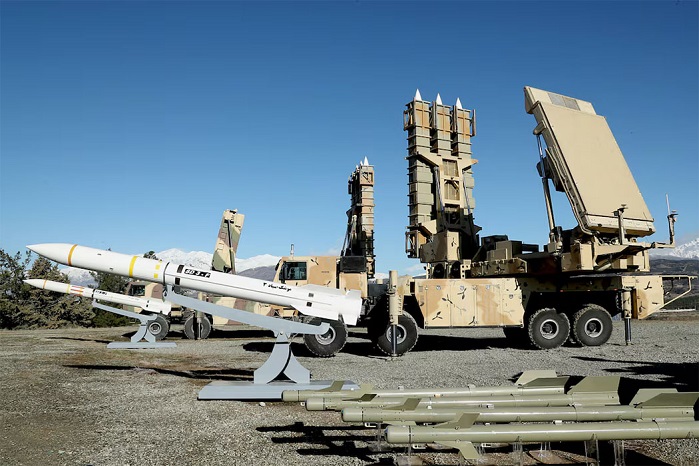
Also prepared are missile systems: Iran possesses a significant inventory of short-range ballistic and cruise missiles, estimated in the hundreds, capable of striking regional bases, oil facilities, and maritime targets.
Drone swarms have also been prepared, according to government officials. Perhaps the most striking figure is Iran’s reported stockpile of at least 1,000 newly deployed “strategic” drones, including one-way attack (“suicide”) drones designed to overwhelm air defenses through coordinated swarm tactics.
An official source has also disclosed that the army has additionally prepared a big arsenal of hypersonic missiles. Iran has also highlighted its “Fattah” hypersonic systems, a newer addition to its arsenal, capable of traveling at extreme speeds and maneuvering to evade interception.
These capabilities are intended not only to confront U.S. naval forces enforcing the blockade but also to target allied infrastructure across the Gulf.
Threats Beyond the Battlefield
Iranian officials have warned that any attack on its own energy facilities would trigger retaliation against critical infrastructure in Gulf states, including oil installations and water desalination plants—facilities vital to civilian populations.
Tehran has described the U.S. naval blockade, imposed in April 2026, as an act of “piracy,” vowing to defend its territorial waters at all costs. The blockade followed months of escalating tensions after joint U.S.-Israeli strikes—dubbed Operation Epic Fury—targeted Iranian military and nuclear sites beginning February 28.
While Washington has claimed the strikes significantly degraded Iran’s drone capabilities, Iranian officials insist they have rapidly replenished and expanded their arsenal.
A Region on Edge
The potential for escalation remains high, particularly around the Strait of Hormuz, through which a significant portion of the world’s oil supply passes. Any disruption could have immediate global economic consequences.
Analysts note that Iran’s strategy reflects years of investment in asymmetric warfare—focusing on mobility, redundancy, and volume rather than direct confrontation with technologically superior forces.
As diplomatic efforts continue, the scale of Iran’s preparations underscores the fragile state of regional security. With thousands of weapons—from naval mines to drones—ready for deployment, even a minor spark could ignite a far-reaching and unpredictable conflict.







About the Author