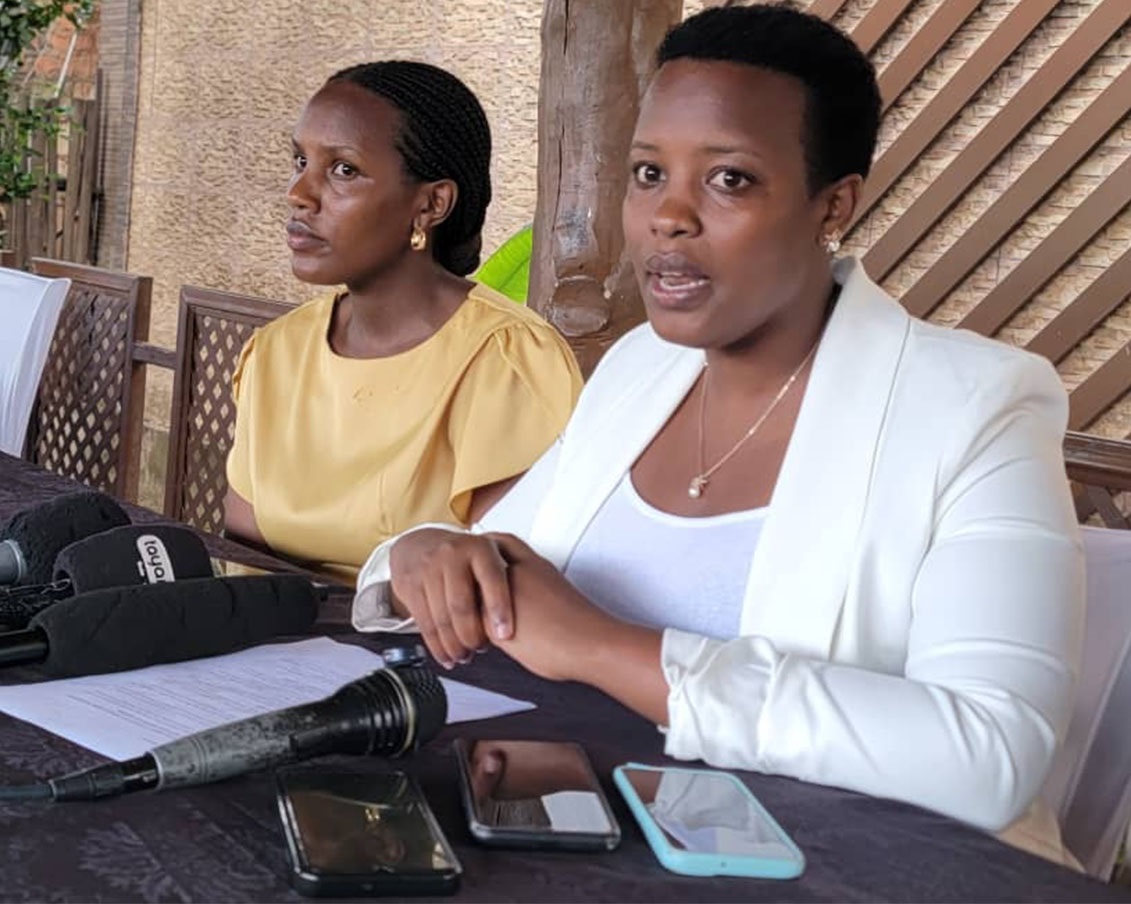
Mercy Kanyesigye, the Youth MP-elect
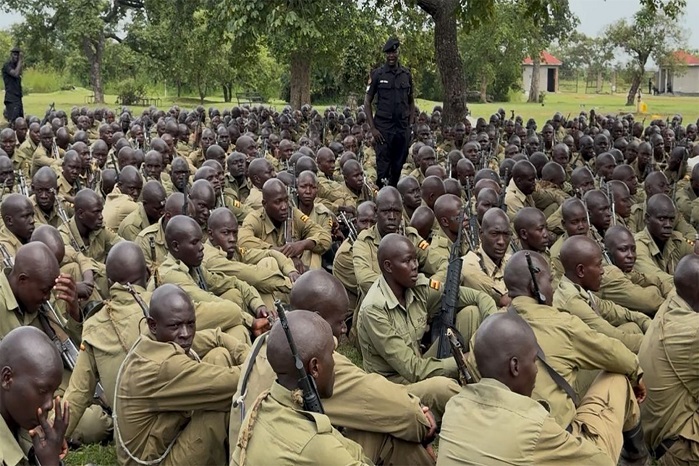
HABARI DAILY I Kampala, Uganda I Uganda’s electoral integrity has once again come under scrutiny following disturbing claims of intimidation, voter bribery and ballot tampering in the recently concluded national Youth Member of Parliament elections in Hoima District.
Speaking to journalists in Kampala on Friday, the newly elected Youth MP, Mercy Kanyesigye, painted a grim picture of an election process marred by fear, manipulation and underhand tactics, raising fresh concerns about the credibility of democratic processes in the country.
“This was an election where me and my team of brave young people suffered from threats, intimidation, voter bribery and all machinations by our opponent. It wasn’t a bed of roses for us,” Kanyesigye said.
Running as an independent candidate, she said, only compounded the pressure, as powerful interests allegedly sought to coerce young voters into supporting party-backed candidates.
“The challenge I found running as an independent was that different stakeholders were trying to influence young people by giving them empty promises and threatening them for supporting someone who was not a flag bearer,” she added.
Kanyesigye described her narrow victory as “escaping from the crocodile’s jaws,” attributing her success to the courage of supporters who resisted intimidation and inducements.
The February 6 elections in Hoima were closely contested, with Kanyesigye securing 216 votes, narrowly defeating the ruling NRM candidate, Diana Ampaire Kampe, who garnered 198 votes. Independent candidate Julia Muhumuza obtained 24 votes, while NUP’s Edith Nammande Nakayizzi trailed behind.
However, the controversy deepened when Ampaire challenged the results in court, petitioning for a vote recount. While the court granted the request, the recount was abruptly halted after the ballot box was reportedly found to have been tampered with — a development that has further cast doubt on the credibility of the entire exercise.
Election observers and civil society groups say the incident underscores systemic weaknesses in electoral management, especially in youth leadership elections that often receive less scrutiny than national polls.
Despite the contentious process, Kanyesigye struck a conciliatory tone, calling for unity and cooperation among her former rivals. “I call upon my fellow youth that I contested with to join me and serve the youth of this country. This will enable us to move in the same direction of the youth agenda,” she said.
She pledged to prioritise dialogue and consultation through National Youth Council structures and promised to establish a special desk to help young people access government programmes such as the Parish Development Model and Emyooga.
Yet, analysts warn that the allegations of voter bribery, intimidation and ballot interference reflect deeper governance challenges that continue to undermine public trust in Uganda’s electoral processes. They argue that unless electoral institutions are strengthened and political actors held accountable, such controversies will persist.
For many young Ugandans, the disputed election serves as a sobering reminder that the struggle for free and fair democratic participation remains far from over. As calls grow for reforms, the Hoima vote has become another stark illustration of the fragility of electoral integrity in the country.