
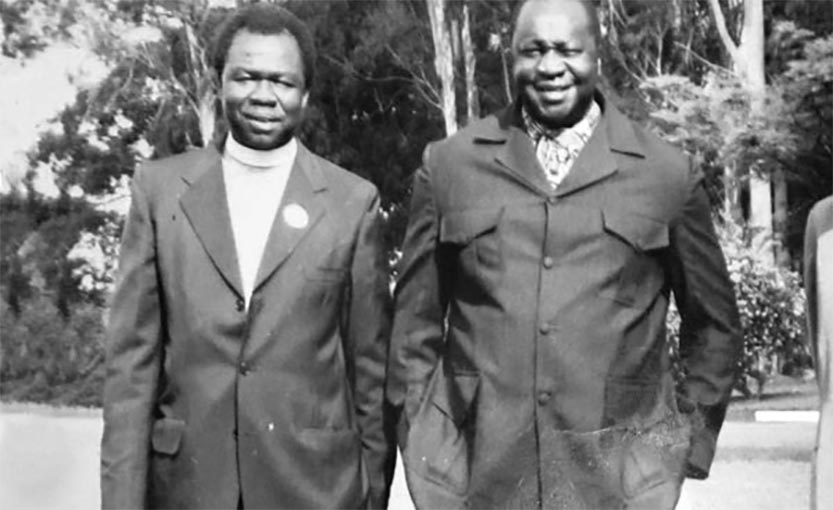
Janani Luwum (L) and Idi Amin back in the day
HABARI DAILY I Kampala, Uganda I As Uganda marks Archbishop Janani Luwum Day today, the life and sacrifice of the late Anglican prelate continue to offer powerful lessons in servant leadership, courage, integrity and selfless service — values that the Anglican Church and all Ugandans are called to emulate.
This annual commemoration honours Archbishop Janani Luwum, whose brutal murder in 1977 under the dictatorship of Idi Amin transformed him into one of the world’s most revered Christian martyrs.
Forty-eight years later, his unwavering commitment to truth, justice and faith remains a guiding light for a nation still grappling with political, social and moral challenges.
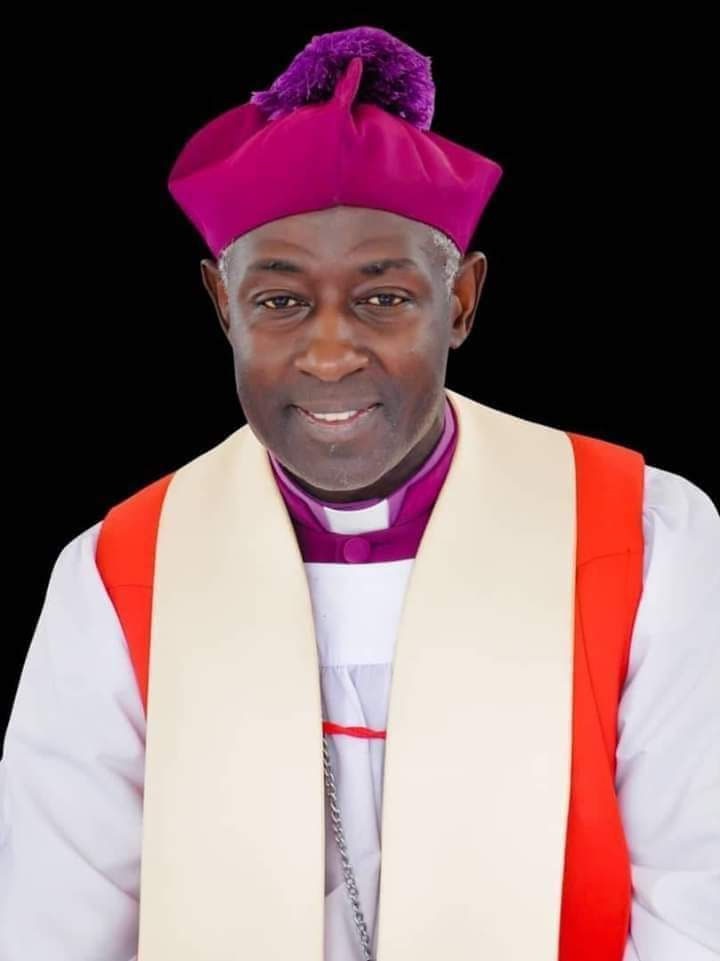
Speaking during last year’s commemoration, the Archbishop of the Church of Uganda, Stephen Kaziimba Mugalu, urged Ugandans to draw inspiration from Luwum’s fearless stand for truth.
“Archbishop Janani Luwum teaches us that peace, justice and reconciliation are not optional. They are central to our faith and our national survival,” Kaziimba said, calling on political leaders to reject violence, embrace dialogue and promote peaceful coexistence. “We must emulate the courage of Archbishop Luwum, who chose to speak the truth even when it cost him his life.”
From cattle herder to Archbishop
Born in 1922 in Mucwini, present-day Kitgum District, Luwum rose from humble beginnings as a cattle herder to become one of Africa’s most respected church leaders. His journey through teaching, theological training and pastoral service shaped a leader deeply grounded in compassion and conviction. In 1974, he was appointed Archbishop of Uganda, Rwanda, Burundi and Boga-Zaire, at a time when Uganda was descending into fear and repression.
As Amin’s regime unleashed widespread violence, disappearances and killings, Luwum refused to abandon his flock. Instead, he openly confronted state brutality, culminating in a protest letter delivered to Amin in 1977, condemning the regime’s abuses.
“As a shepherd, he could not run away and leave his sheep to be devoured by wolves,” Kaziimba said. “He stood firm for biblical values, human dignity and justice. That is why he is remembered not only as a great church leader, but also as a national hero.”
Wrongful accusation
On February 16, 1977, Luwum was arrested, falsely accused of treason and later murdered. Though the regime attempted to disguise his killing as a road accident, the truth soon emerged, sparking international outrage and galvanising resistance to tyranny. His martyrdom marked a turning point in Uganda’s struggle for religious freedom and human rights.
Today, Luwum is honoured globally, with his statue standing among ten modern Christian martyrs above the Great West Door of Westminster Abbey in London. In Uganda, February 16 was declared a public holiday in 2015, underscoring his enduring national significance.
Beyond political courage, Luwum’s legacy of servant leadership continues to shape the Anglican Church. He championed a self-reliant church, laying foundations for financial sustainability through initiatives such as Church House. He also demonstrated deep compassion for prisoners and the oppressed, frequently visiting detention centres to plead for victims of injustice.
Human rights are divine
Kaziimba said this legacy should guide the Church’s engagement with human rights today. “The church must never be silent when human dignity is under attack. Luwum reminds us that faith without action is empty.”
Each year, thousands of pilgrims journey to Mucwini to honour Luwum’s memory through prayer, community outreach and national reflection. These commemorations transform the day into a platform for unity, healing and renewal.
As Uganda faces political tensions, economic pressures and moral challenges, Archbishop Janani Luwum’s life remains a powerful call to servant leadership. His example urges leaders to act with integrity, citizens to stand for truth, and institutions to pursue justice.
“Celebrating Janani Luwum is not about nostalgia,” Kaziimba said. “It is about recommitting ourselves to the values he died for — truth, justice, peace, faith and love. If we live by these principles, Uganda will become the nation God intended it to be.”







About the Author