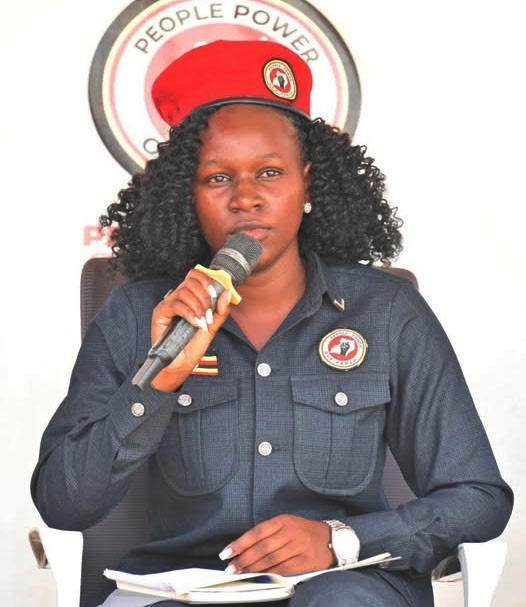
Gracious Kadondi
HABARI DAILY I Kampala, Uganda I Gracious Kadondi’s victory in the race for Makerere University’s 92nd Guild President has been widely attributed to the strength of organized political structures and grassroots mobilization, particularly those aligned with the National Unity Platform (NUP).
Kadondi secured 6,801 votes to defeat her closest rival, former Miss Uganda Hannah Karema Tumukunde, who garnered 5,787 votes in a closely contested election that attracted national attention. While Karema’s candidacy brought glamour and heightened visibility to the race, analysts say Kadondi’s triumph reflects a deeper, more decisive factor: disciplined political organization on campus.
NUP’s machinery
At the heart of Kadondi’s success was the well-established mobilization machinery of NUP-leaning student blocs. These networks, long embedded within Makerere’s electoral landscape, played a crucial role in voter outreach, coordination, and turnout. Their ability to rally support across different colleges ensured a steady and reliable voting base, giving Kadondi a critical edge.
The open endorsement by NUP leader Bobi Wine further boosted Kadondi’s candidacy. In the lead-up to the election, he urged students to back her, describing her as a leader whose vision extended beyond campus politics. Shortly after the results were announced, he celebrated the win, posting: “Congratulations, Madam President! Congratulations, Gallant Makererians! The struggle continues!”
Kadondi’s campaign also resonated ideologically with many students, particularly those aligned with NUP’s broader message of change and activism. This alignment helped solidify her support among politically active students who view guild elections as a reflection of national political dynamics.
In contrast, Karema’s campaign, built around a “Service Above Self” platform and amplified through social media, struggled to match the depth of grassroots structures behind Kadondi. Despite her popularity and visibility, the results underscored that digital influence alone is often insufficient without strong on-ground networks.
Ultimately, Kadondi’s victory highlights a recurring trend at Makerere: that organization, political identity, and grassroots mobilization remain the most decisive factors in determining electoral outcomes.







About the Author