
Refugee women in West Nile are engaged in profitable agriculture
HABARI DAILY I Kampala, Uganda I Women entrepreneurs in Uganda are increasingly accessing affordable finance across a wide range of economic sectors, with trade, commerce and agriculture emerging as the biggest beneficiaries of the Generating Growth Opportunities and Productivity for Women Enterprises (GROW) Project.
New data from the Private Sector Foundation Uganda (PSFU) shows that women-owned businesses in trade and agriculture account for more than two-thirds of all GROW loan beneficiaries, underscoring the central role women play in driving household incomes and local economies.
According to the latest GROW Project performance data, 42.2 percent of the 2,958 women borrowers operate in trade and commerce, while 27.9 percent are engaged in agriculture and agribusiness value chains. In monetary terms, these two sectors also absorbed the largest share of funding, with trade and commerce taking 39.5 percent of the total loan value and agriculture accounting for 22.2 percent.
Dr Ruth Aisha Biyinzika Kasolo, the GROW Project Coordinator at PSFU, said the sectoral distribution reflects the economic realities of women entrepreneurs, particularly those accessing smaller loans. “This pattern is not surprising,” Dr Kasolo said. “The majority of women entrepreneurs, especially those in Level One loans, are engaged in trade businesses—small shops, market stalls, wholesale and retail activities—which are easier to start, scale and sustain with modest capital.”
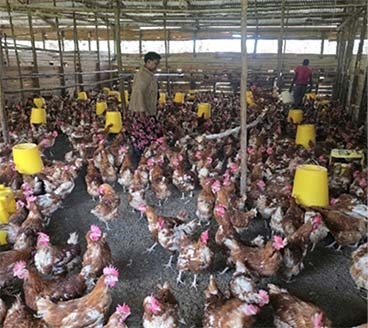
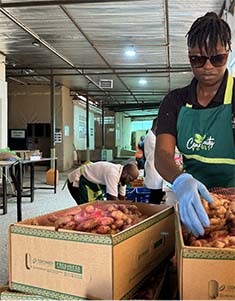
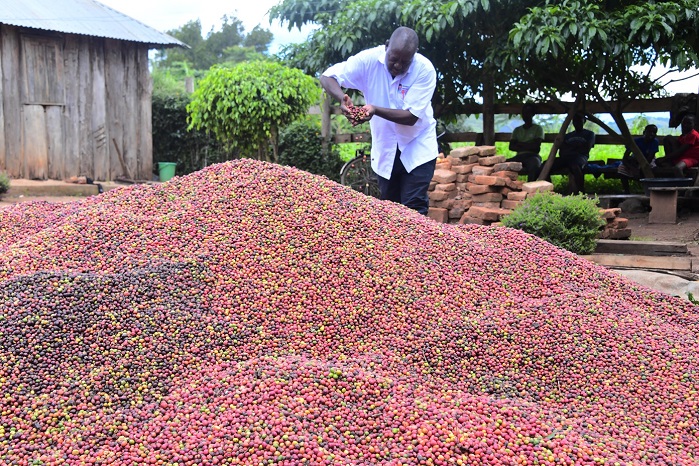
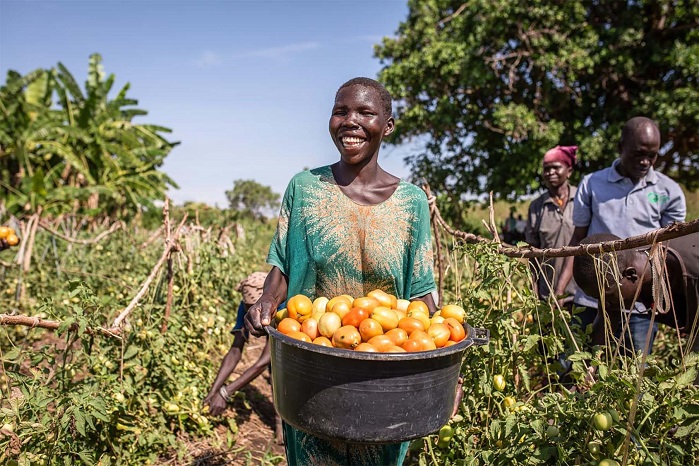
She added that agriculture’s strong showing highlights the importance of women in food systems. “Women are deeply embedded in agricultural value chains, from production and aggregation to processing and marketing. Through GROW, we are enabling them to move from subsistence to more commercial, income-generating agribusinesses,” she said.
Beyond trade and agriculture, the data shows growing participation in construction and engineering (9.2 percent), business and professional services (8.5 percent), tourism and hospitality including creative industries (4.2 percent), and community and social services such as education and health (2.4 percent).
Smaller but notable numbers of women accessed loans in beauty and wellness, manufacturing, transport and logistics, and ICT-related businesses.
Dr Kasolo said the diversity of sectors demonstrates the expanding footprint of women entrepreneurs. “GROW is supporting women in both traditional and non-traditional sectors,” she noted. “Seeing women access financing for construction, engineering and manufacturing is a strong signal that women-owned enterprises are moving into higher-value and capital-intensive activities.”
The cumulative value of loans disbursed across all sectors stands at Ugx 73.4 billion, spread across three funding levels. Average loan sizes align closely with the project’s design, with Level One loans averaging Ugx 10.5 million, Level Two Ugx 30.6 million and Level Three Ugx 89.5 million. Overall, the average loan size is Ugx 24.7 million, while both the median and most common loan amount stand at Ugx 10 million.
“These figures show that the GROW loan product is working as intended,” Dr Kasolo explained. “Most women start small, test their business growth, and then graduate to higher loan levels as their capacity and confidence improve.”
The report further reveals that 97 percent of GROW borrowers are individual women entrepreneurs rather than registered companies. Dr Kasolo said this is a deliberate outcome.
“Our goal has always been to reach real women running real businesses—often informally—from markets, farms and home-based enterprises,” she said. “By financing individuals, we are meeting women where they are, rather than excluding them because of formal registration barriers.”
However, business registration remains a challenge. Only 23.2 percent of borrowers had registered businesses at the time of accessing the loan. Registration rates were highest in the Greater Kampala Metropolitan Area, where business formalisation is more common. All borrowers under Stanbic Bank were registered, while other PFIs showed varying levels of registration among their clients.
“Low registration levels reflect structural barriers such as cost, information gaps and location,” Dr Kasolo said. “Through GROW, we are not only providing credit but also encouraging women to formalise gradually, which opens doors to larger markets, contracts and long-term financing.”
Experience with banking also varied among borrowers. While 61 percent were existing bank customers, nearly one-third were first-time borrowers accessing credit from a commercial bank. Dr Kasolo described this as a major milestone. “For many women, this was their first interaction with formal banking,” she said.
“That is transformational. Once a woman enters the banking system, her business trajectory can change permanently.”
She added that some partner banks, particularly Equity Bank and Post Bank, recorded high proportions of new borrowers. “This shows that inclusive financial institutions can play a catalytic role in onboarding women who have historically been excluded from credit,” she noted.
Loan repayment periods ranged from six to 24 months, with most women opting for 12-month or 24-month tenures. The average repayment period was 16 months. According to Dr Kasolo, flexible repayment terms are critical for women’s businesses.
“Women’s enterprises are affected by seasonality, household responsibilities and market shocks,” she said. “Flexible loan tenures allow women to manage cash flows without undue stress.”
Looking ahead, Dr Kasolo said PSFU will continue refining the GROW model to deepen sectoral impact. “Trade and agriculture will remain strong pillars, but we are also keen to see more women in manufacturing, ICT and value-added services,” she said.
“When women succeed across sectors, communities thrive, jobs are created and the economy becomes more resilient.”
She emphasised that GROW is about more than lending. “This is about unlocking women’s economic potential,” Dr Kasolo said. “Every loan tells a story of resilience, ambition and growth—and collectively, these women are reshaping Uganda’s economic landscape.”







About the Author