

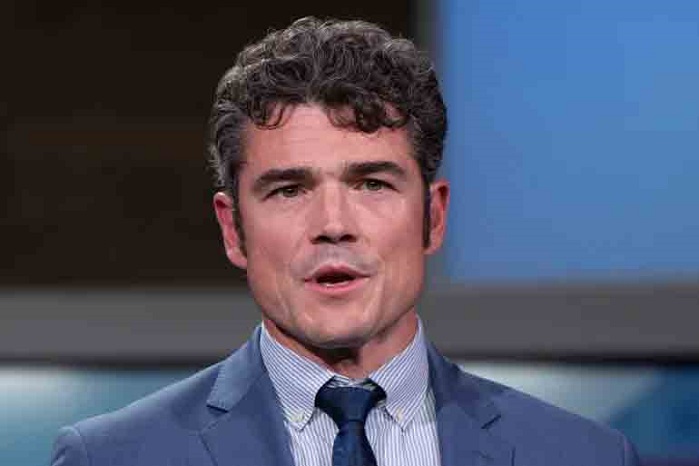
HABARI DAILY I Kampala, Uganda I The resignation of Joseph Kent, Director of the United States National Counterterrorism Center (NCTC), has exposed deep divisions within Washington over the ongoing war with Iran, with the decorated former Green Beret citing a combination of moral, legal, and strategic concerns behind his dramatic exit.
In a strongly worded resignation letter, Kent said he could not “in good conscience” continue to support the conflict, arguing that Iran posed no immediate threat to the United States. His reference to the absence of an “imminent threat” is particularly significant, as both US and international law require such a condition to justify military action without congressional approval.
Kent’s moral objections formed the core of his decision. A veteran of 11 combat deployments and a Gold Star husband whose wife was killed in Syria, he said the human cost of the war was unjustifiable. “I cannot support sending the next generation off to fight and die in a war that serves no benefit to the American people,” he wrote, warning against repeating the mistakes of past Middle East conflicts.
He also criticised what he described as external influence and media-driven narratives that pushed the US into war. Kent pointed to pressure from allies, particularly Israel, and drew parallels to intelligence failures that preceded the Iraq War, suggesting that the current conflict risks being driven by flawed or manipulated information.
Lack of strategy
Strategically, Kent argued the war lacks clear objectives. Unlike previous targeted counterterrorism missions, he said the Iran conflict represents a broad and potentially open-ended military engagement with no defined endgame. Recent incidents, including attacks on civilians and the sinking of the Iranian frigate Iris Dena, reinforced his view that the war is spiralling into a humanitarian and geopolitical crisis.
The resignation also reflects Kent’s dissatisfaction with the divergence from campaign promises made by Donald Trump to reduce US involvement in foreign wars. Kent noted that prolonged Middle East conflicts have historically drained American resources and cost lives without delivering lasting stability.
His departure comes amid escalating hostilities, including joint US-Israeli strikes on Tehran that reportedly killed senior Iranian figures and dozens of civilians, including children. With casualties mounting—over 1,400 in Iran and several US soldiers killed—Kent warned that the war risks deepening regional instability.
‘Weak on security’
President Trump dismissed Kent’s resignation, describing him as “weak on security,” but analysts say the move signals growing dissent within defence and intelligence circles. It is also the most high-profile resignation since the conflict began, raising questions about internal confidence in the administration’s strategy.
Kent’s decision is further shaped by his personal experiences and long-standing views. Having lost his wife in a previous conflict, he framed the war as part of a broader pattern of costly foreign entanglements that fail to serve US interests.
In his final remarks, Kent called for a reassessment of US policy, urging leaders to choose “a responsible path” over continued escalation. His resignation now adds pressure on policymakers to justify the war’s objectives and reconsider its long-term consequences







About the Author