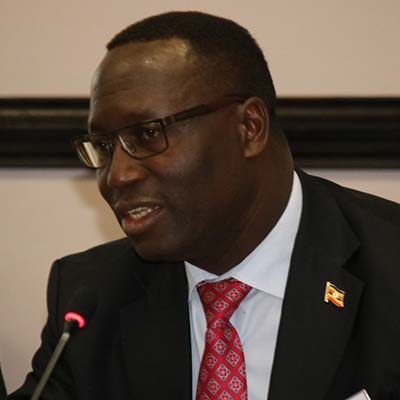

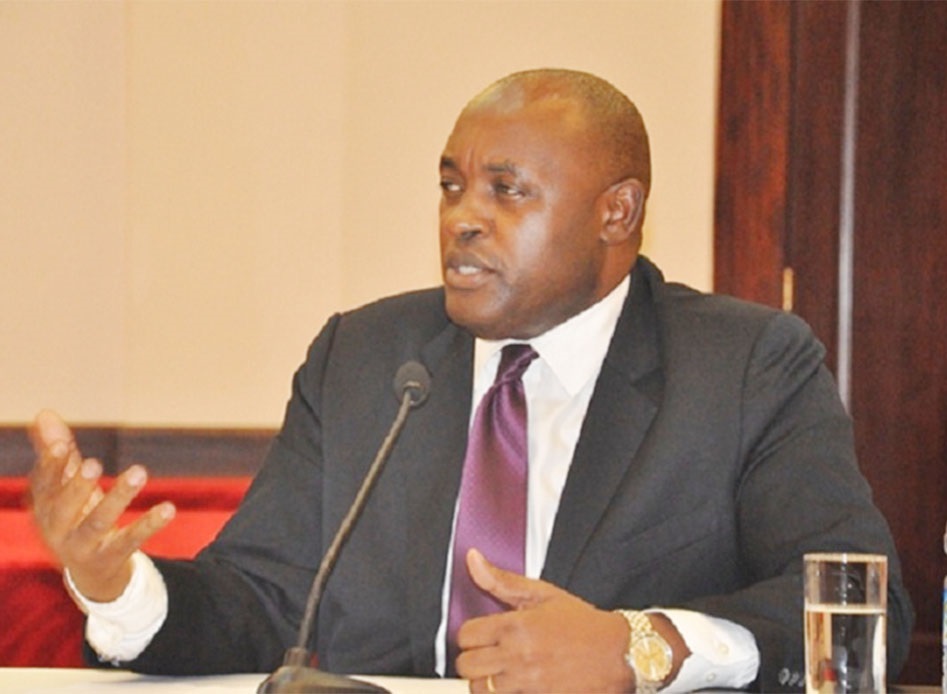
Chris Baryomunsi
HABARI DAILY I Kampala, Uganda I The government of Uganda has sharply pushed back against a resolution by the European Parliament that raised concerns about the country’s post-election environment, dismissing the move as politically motivated and of no legal consequence.
EU lawmakers recently adopted a statement pointing to what they described as electoral irregularities and human rights concerns before, during and after the polls. The resolution referenced reports of election-related violence, a nationwide internet shutdown, intimidation of opposition actors and shrinking civic space.
It also highlighted the suspension of several civil society organisations and alleged targeting of human rights defenders, including Ugandan lawyer and activist Sara Birete.
Further criticism was directed at the treatment of opposition leaders, journalists and protesters. Lawmakers cited the arrest of veteran opposition figure Kizza Besigye in Kenya, referencing his reported detention, alleged denial of medical care and treason charges.
ICT and National Guidance Minister Chris Baryomunsi led the government’s response, accusing European legislators of relying on second-hand and misleading information.
“Many of them have never stepped in Uganda. They rely on what they read on social media. Ugandans have a right to freely choose the leaders they want,” Baryomunsi said.
External influence
He rejected external influence over Uganda’s political direction, insisting leadership choices rest solely with voters.
“If they like him, let them give him a seat somewhere in Europe. But to become president here, Ugandans must vote for you. They don’t know what they are talking about.”
Baryomunsi also invoked Uganda’s sovereignty, reminding critics of the country’s independent status since 1962.
“We regained our independence on 9th October 1962. We are a sovereign country and we take our own decisions.”
Despite the criticism, the minister emphasised that diplomatic and development ties with the European Union remain cooperative.
Respectful cooperation needed
“There is no bad relationship between Uganda and the European Union. We enjoy cordial and respectful cooperation. Internal matters will be handled according to our Constitution, not foreign interests,” he said.
He further downplayed the significance of the resolution, suggesting it carried more political symbolism than practical impact.
Analysts in international relations note that European Parliament resolutions are non-binding. They are typically used to express political positions, signal concern or shape broader EU foreign policy debate — but they do not carry legal force over sovereign states.
Uganda’s position, officials say, is that while partners are free to express views, the country’s electoral processes and governance questions remain strictly domestic matters.







About the Author