
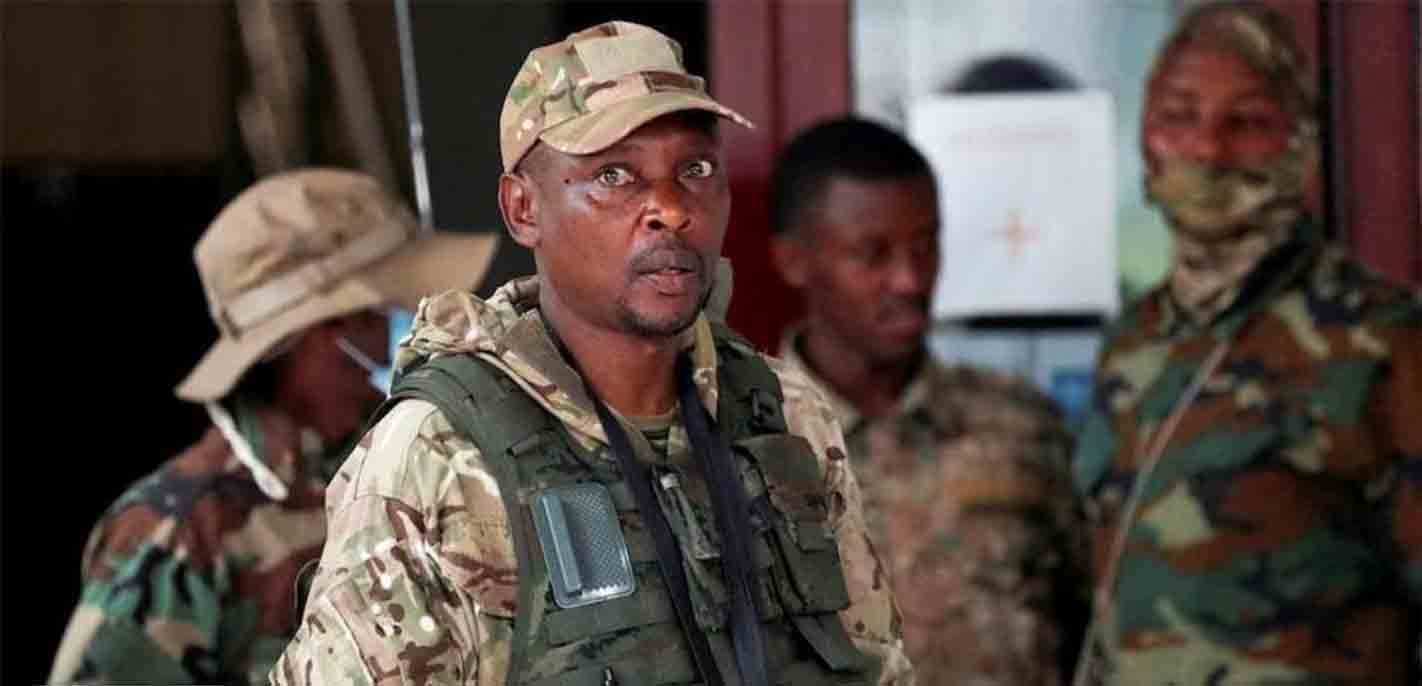
The late Lieutenant-Colonel Willy Ngoma
HABARI DAILY I Kampala, Uganda I The overnight killing of Lieutenant-Colonel Willy Ngoma in a drone strike near the mining town of Rubaya has sent shockwaves through eastern Democratic Republic of Congo (DRC) and beyond.
Ngoma, the military spokesperson of the March 23 Movement (M23) and a senior figure within the Congo River Alliance (AFC/M23), was one of the most recognisable faces of the rebellion.
His death, confirmed by rebel officials and regional observers, underscores a pivotal moment in the long-running conflict that has ravaged North Kivu for decades.
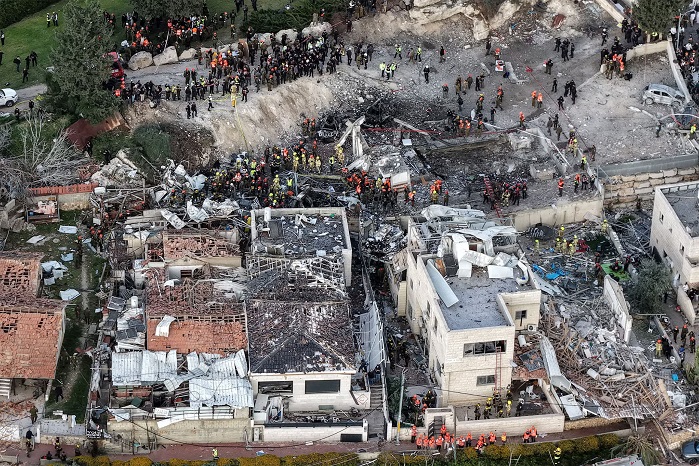
Ngoma was killed around 2 a.m. on February 24th 2026, when a drone struck a convoy in Masisi territory, an area that has become a frontline in renewed clashes between rebel forces and government troops.
The attack has been attributed to the Armed Forces of the Democratic Republic of the Congo (FARDC), although Kinshasa had not issued an official response by press time. Several M23 fighters travelling with Ngoma were also reportedly killed.
Public face of the rebellion
For years, Ngoma served as the public face and voice of the rebellion. Through frequent media briefings, battlefield updates and political statements, he articulated the group’s narrative, justified its military operations, and rallied both local and international sympathy.
In an information war as intense as the fighting on the ground, Ngoma was a strategic asset. His visibility, credibility and consistency made him indispensable to M23’s efforts to shape public perception and influence diplomatic processes.
High-value target
That prominence is precisely why he became a high-value target.
Security analysts say the use of drones reflects a significant evolution in FARDC’s tactics. Precision strikes allow the military to neutralise senior commanders without prolonged ground engagements that often result in heavy civilian casualties.
By eliminating Ngoma, government forces have not only removed a senior rebel officer but also dealt a major blow to the group’s communication machinery.
Coltan trade flourishes amidst bloodshed
Rubaya, where the strike occurred, is no ordinary town. It is a key hub in the coltan trade, a mineral vital to the global electronics industry. Control of Rubaya translates into access to lucrative revenue streams that sustain armed groups and fuel continued warfare.
In recent months, the area has been fiercely contested, with repeated ceasefire violations reported despite regional mediation efforts. Ngoma’s presence in such a strategic zone suggests he was directly involved in coordinating operations critical to the group’s military and economic survival.
High political ambitions
Beyond his military role, Ngoma was also central to the political ambitions of the AFC/M23, a coalition linked to former electoral commission head Corneille Nangaa.
The alliance has sought to rebrand itself as a national movement fighting for justice, inclusion and governance reforms. Ngoma’s articulate media appearances were instrumental in projecting this political identity, helping the group to transcend its image as merely another armed faction.
His killing therefore strikes at both the operational and ideological heart of the rebellion.
Fragile ceasefires that cannot hold
The attack comes at a fragile moment for eastern DRC, where fragile ceasefires and peace initiatives have repeatedly collapsed. Regional and international mediators have struggled to bridge deep mistrust between Kinshasa and the rebels, as well as between Congo and neighbouring Rwanda, which is accused of backing M23 — allegations Kigali consistently denies.
In such a volatile context, targeting a senior rebel figure risks escalating hostilities but also signals a hardening stance by the Congolese government.
Vulnerability of senior leaders
For Kinshasa, Ngoma’s death sends a clear message: senior rebel leaders are no longer beyond reach. The use of drones demonstrates improved intelligence and surveillance capabilities, suggesting increased military support and coordination.
It also reflects a strategic calculation that decapitating rebel leadership can weaken command structures, disrupt operations and demoralise fighters.
Yet history in eastern Congo shows that killing senior commanders does not automatically translate into lasting peace. Rebel movements have repeatedly adapted, replaced fallen leaders and continued fighting. Indeed, the AFC/M23 has already vowed that Ngoma’s death will not alter its objectives.
Rebellion’s defiance, resilience
Still, the symbolic weight of this strike cannot be understated. Ngoma was more than a spokesperson; he embodied the rebellion’s defiance and resilience. His death deprives M23 of a unifying figure and a powerful communicator at a time when narrative control is crucial.
In the brutal arithmetic of war, Ngoma “had to die” because he represented a strategic node in a complex conflict — linking battlefield operations, political messaging and economic interests.
Whether his killing marks a turning point toward de-escalation or triggers further bloodshed remains uncertain. What is clear is that his death highlights both the intensifying nature of the conflict in eastern DRC and the high stakes surrounding control of its mineral-rich lands.







About the Author