
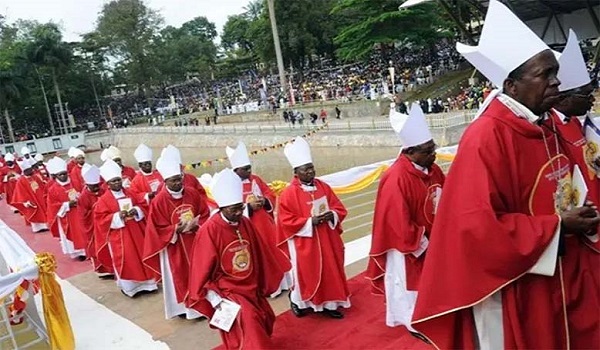
Scenes such as this are being missed at Namugongo Martyrs shrine today
HABARI DAILY I Kampala, Uganda I For the first time in years, the usually vibrant grounds of the Namugongo Martyrs Shrine have fallen silent on Uganda Martyrs Day, leaving thousands of Christians across the country grappling with disappointment and concern as the annual celebrations were canceled because of the ongoing Ebola outbreak.
Every June 3, pilgrims from across Uganda and neighboring countries flock to Namugongo to commemorate the faith and sacrifice of the Uganda Martyrs. The event is one of the largest religious gatherings in East Africa, attracting tens of thousands of worshippers who travel long distances, often on foot, to participate in the celebrations.
This year, however, the atmosphere is markedly different.
The government, in consultation with religious leaders and health authorities, directed that all physical celebrations at Namugongo be suspended as part of measures to contain the spread of Ebola. As a result, the shrine that would ordinarily be filled with worshipers, choirs, clergy and pilgrims remains largely deserted.
Local parishes at the center
Instead of converging at Namugongo, Christians have been instructed to commemorate the day from their local parishes and homes. Religious leaders have encouraged believers to participate in prayer services organized within their communities while observing all public health guidelines.
Despite the cancellation of the physical gathering, June 3 remains an official public holiday. Schools, government offices, private institutions and businesses remain closed in recognition of the significance of the day.
Security tight
Security personnel have also been deployed around Namugongo to enforce restrictions and prevent unauthorized gatherings. Authorities have emphasized that no walk-in worshipers will be admitted to the shrine, a move aimed at minimizing the risk of mass transmission of the virus.
The Diocese of Kasese, which had been scheduled to lead the national celebrations this year, has also been affected by the disruption. Church authorities announced that the diocese will instead take charge of organizing the national event in 2027 following the postponement of this year’s physical celebrations.
Ebola spreading
The decision to suspend the gathering follows growing concern over Uganda’s ongoing Ebola outbreak, which has already been declared a Public Health Emergency of International Concern by the World Health Organization (WHO).
According to health authorities, Uganda has registered 15 laboratory-confirmed Ebola cases as of June 2026. Of these, 12 patients are currently receiving treatment, two have recovered and been discharged, while one person has died.
Most of the confirmed cases have been reported in Kampala, with one infection recorded in neighboring Wakiso District. Although the initial cases were linked to travelers arriving from the Democratic Republic of Congo (DRC), health officials have confirmed that local transmission is now taking place within Uganda.
Particularly worrying to health experts is the fact that several infections have occurred among healthcare workers who treated earlier patients. This has heightened concerns about the potential for wider community transmission if strict preventive measures are not maintained.
Authorities are currently monitoring 668 contacts who are undergoing a mandatory 21-day observation period as part of an aggressive contact-tracing exercise.
The outbreak involves the Bundibugyo strain of Ebola, a rare variant for which there are currently no approved vaccines or targeted antiviral treatments. Medical experts say patient survival depends heavily on early detection, prompt isolation and supportive care such as hydration and symptom management.
In response, the government has intensified containment efforts. Public gatherings deemed non-essential, including concerts, political rallies, festivals and marathons, have been suspended in high-risk districts such as Kampala, Wakiso, Mukono and Mpigi.
Additional measures have been implemented at border points with the DRC, where movement has been restricted to essential cargo, security personnel and humanitarian workers. Travelers permitted to cross are subjected to health screening and mandatory self-isolation requirements.
SOPs enforced
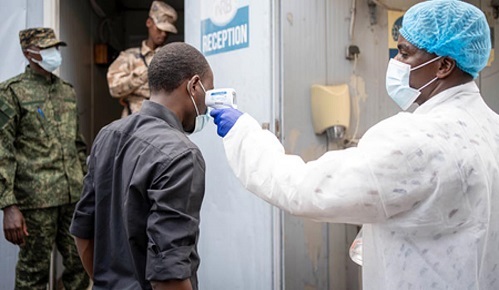
Meanwhile, churches and other public spaces have reinstated standard operating procedures, including temperature screening and hand sanitization stations. Citizens have also been advised to avoid physical contact such as handshakes and hugs.
As Christians mark Martyrs Day under these extraordinary circumstances, many remain hopeful that the outbreak will soon be contained and that the traditional celebrations at Namugongo will return next year. For now, however, faith is being expressed not through massive pilgrimages and public gatherings, but through prayer, caution and collective responsibility in the face of a serious public health threat.







About the Author