
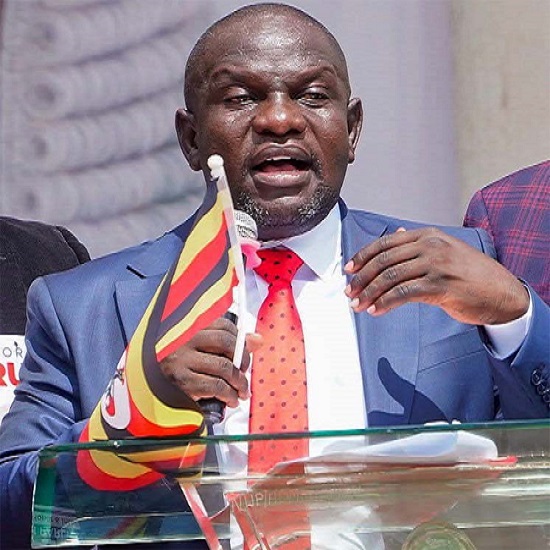
Opposition Chief Whip Paul Mwiru
HABARI DAILY I Kampala, Uganda I A section of opposition Members of Parliament have boycotted President Yoweri Museveni’s State of the Nation Address at Kololo Ceremonial Grounds, citing what they describe as persistent human rights violations, continued detention of political prisoners, poor welfare for intern doctors, and the government’s failure to address the economic hardships facing ordinary Ugandans.
The boycott, announced by the opposition’s Shadow Cabinet ahead of the President’s address, is intended to send a strong political message that opposition lawmakers are unwilling to participate in a national event they believe has repeatedly failed to address the pressing concerns affecting citizens across the country.
Leading the announcement, Opposition Chief Whip Paul Mwiru said the decision was reached after careful consideration of the country’s political, security and social conditions. He argued that opposition legislators could not attend the address while many of their supporters remain behind bars and key governance concerns remain unresolved.
According to Mwiru, the continued detention of opposition supporters and political activists remains one of the most significant grievances driving the boycott.
“Our supporters, as I speak today, are still in Luzira prison, and efforts for their court bail have not yielded anything to date,” he said.
The opposition maintains that the continued incarceration of political detainees raises serious questions about respect for human rights and democratic freedoms in Uganda. Shadow Cabinet members also cited allegations of violence and abuses that occurred during previous election cycles, arguing that accountability for such incidents has remained elusive.
Human rights concerns have therefore emerged as a central pillar of the boycott, with opposition leaders insisting that government must first address these issues before expecting participation in ceremonial national events.
The lawmakers also renewed demands for accountability regarding the conduct of the 2026 general elections. Mwiru said his party continues to have concerns about polling station results and alleged electoral irregularities, which they believe have not been adequately addressed by the relevant authorities.
Beyond political freedoms, the opposition used the boycott to highlight challenges within the health sector, particularly the plight of intern doctors. Members of the Shadow Cabinet criticized government for failing to improve the working conditions and welfare of medical interns despite repeated appeals from health workers.
They argued that many intern doctors continue to operate under difficult circumstances characterized by inadequate facilitation and poor working environments. According to the opposition, the challenges facing medical interns are a reflection of broader weaknesses in public service delivery and government priorities.
The lawmakers said it was difficult to celebrate national progress while critical sectors such as healthcare continue to struggle with longstanding challenges.
Economic hardships facing ordinary citizens also featured prominently among the reasons for the boycott. Opposition leaders argued that many Ugandans continue to grapple with unemployment, rising living costs and declining household incomes.
They accused government of repeatedly presenting optimistic assessments of the country’s economic performance while failing to provide practical solutions to the everyday struggles experienced by millions of citizens.
According to the Shadow Cabinet, successive State of the Nation addresses have often highlighted achievements and future plans but have offered little relief







About the Author