
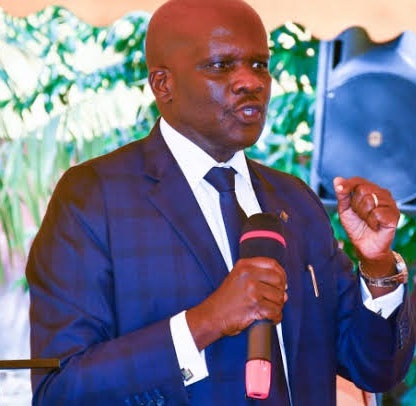
Charles Ocici
HABARI DAILY I Kampala, Uganda I Ugandan manufacturers are increasingly ready to compete in international markets, but they must continue improving productivity, quality, financing and value chains if they are to take full advantage of growing export opportunities, Enterprise Uganda Director General Charles Ocici has said.
Ocici said Uganda’s manufacturers have the potential to supply markets beyond the country and Africa, provided they address some of the structural challenges that continue to affect their competitiveness.
He noted that the global market presents enormous opportunities for producers in tropical countries, but competition is equally intense because suppliers from different parts of the world are seeking access to the same consumers.
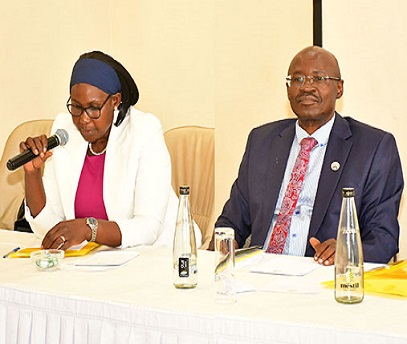
“The options of suppliers to that market is very big, not only in Uganda, not only in Africa,” Ocici said. “In the tropic countries, all processes of suppliers of the market can supply the human market. And because of that, any support from the government of the US, of China, of Uganda to the exporters is welcome,” he said recently during the BEST training session located at their Business Training Center of Excellence located at Butabika, in Kampala.
According to Ocici, exporters require continued support even after they have established businesses capable of producing for international markets. He identified standards, production volumes, environmental requirements and workers’ welfare as some of the areas Ugandan exporters must strengthen.
“In terms of Uganda and exporters, even unfortunately, challenges on standards, challenges on volumes, challenges on environment, challenges on taking care of workers’ wealth, all those are aspects that are considered important,” he said.
He, however, believes Uganda’s manufacturers can overcome these obstacles if they focus on productivity and work closely with government institutions.
Ocici said improving productivity should include addressing the quality of technology used by manufacturers and reducing production costs, including the cost of electricity and financing.
“You need to improve the productivity. In other words, I also need to improve the electricity,” he said.
For manufacturers seeking to penetrate export markets, Ocici said producing a finished product is only one part of the equation. They must also strengthen the suppliers and other businesses that make up their value chains.
“They need to support their value chain suppliers,” he said, adding that manufacturers must also “work on the cost of their financing.”
Taxation is another area he identified as critical to export competitiveness. Ocici argued that some inputs used by exporters should be exempted from taxes where appropriate so that businesses can reduce their production costs and compete more effectively internationally.
He also urged manufacturers to work closely with public institutions responsible for supporting the private sector, arguing that a strong relationship between government agencies and businesses is essential for developing an effective export industry.
Ocici praised government for establishing programmes and institutions aimed at preparing Ugandan businesses for international markets.
He cited the Uganda Development Bank (UDB), which provides financing at relatively affordable interest rates, as one of the major interventions supporting businesses.
“The one thing is, government has dedicated a big resource to UDB. And that resource is at a cheap interest rate. That’s a very big one for business finance,” he said.
He also pointed to the Uganda National Bureau of Standards (UNBS), whose role in developing and enforcing standards is crucial for ensuring that Ugandan products meet the requirements of international markets.
Government has also established institutions to strengthen Uganda’s export capacity and support businesses seeking to participate in international trade.
Enterprise Uganda itself has played a role by training entrepreneurs and exporters, helping them understand what is required to compete beyond Uganda’s borders.
Ocici nevertheless cautioned that government support should continue because export markets are constantly evolving and even advanced economies provide assistance to their producers.
He pointed to the United States and China as examples of countries whose businesses continue to receive various forms of support as they compete for global markets.
“My message is, it is good that our government is working on activities to support exporters,” Ocici said. “Because the areas for improvement, the areas for support are limitless. And even in the very finest economy, it is important to have support.”
For Ugandan manufacturers, he said, government support must be matched by efforts from businesses themselves to improve efficiency, technology, quality and production capacity.