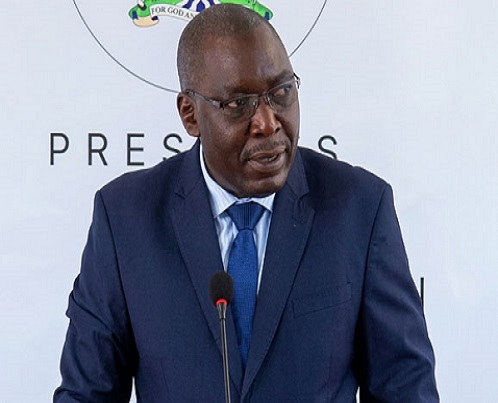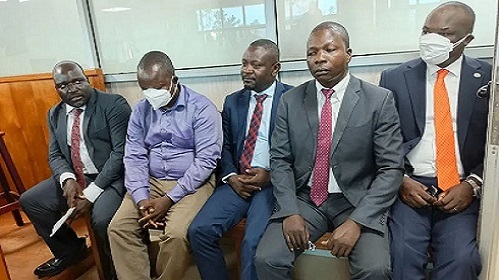

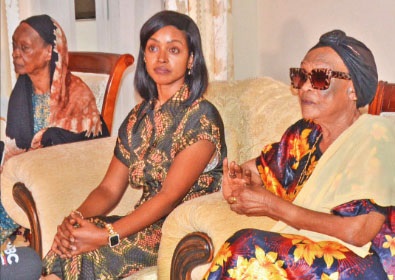
L-R: Bagaya, Komuntale and another member of the Royal family addressing media at the palace yesterday
HABARI DAILY I Kampala, Uganda I Saturday 12th September, the day designated for the burial of King Oyo Nyimba Kabamba Iguru Rukidi IV, will most probably be one of grueling instead of mourning.
This is because by then, the successor of the late king has to perform rituals to send off the monarch, and up to until now, no clear successor has been fronted due to disagreements. Although the Babiito royal clan has now named Prince Edward Rukidi Kijanangoma as the next Omukama, the late king’s immediate family has rejected the decision, insisting that Oyo’s own wishes must be respected.
The dispute has transformed what was expected to be a solemn farewell into a major test of Tooro’s traditions, royal authority and the relationship between the Babiito clan and the late king’s family.
King Oyo, who died in the United States on August 27 at the age of 34 while undergoing cancer treatment, had ruled Tooro for more than three decades after ascending the throne at only three years old. His death has therefore opened one of the most consequential succession questions in the modern history of the kingdom.
The family says Oyo left an heir
At the heart of the disagreement is a claim by the late king’s family that Oyo left behind a biological son who was designated in his 2022 will as his successor.
Princess Ruth Komuntale, Oyo’s sister, has emerged as the strongest public voice challenging the Babiito decision. She says the family had recently met Omusuuga Charles Kamurasi, head of the Babiito royal clan, and other elders to review Oyo’s will.
According to Komuntale, the meeting was constructive and the family expected to consult lawyers before any successor was proclaimed.
The subsequent announcement of Kijanangoma therefore came as a shock. Komuntale insists that Oyo’s will contained “very strict instructions” on succession, naming his son as first in line and providing for an alternative successor if the boy could not eventually occupy the throne.
This means the family’s first outstanding issue is whether the late king’s written wishes can be overridden by the customary powers of the Babiito clan.
The existence of Oyo’s son was not publicly known before his death. President Yoweri Museveni subsequently revealed that Queen Mother Best Kemigisa had told him about the young boy. The late king’s family now wants the alleged heir’s place in the succession process properly examined before another prince is enthroned.
Who has authority to choose the Omukama?
The second major issue is the question of who actually has the final authority to determine the Tooro king. The Babiito clan maintains that the power to select an Omukama rests with the royal clan rather than with the immediate family of the deceased king.
The succession committee, constituted by the Babiito, said it had undertaken consultations, due diligence and consideration before settling on Kijanangoma.
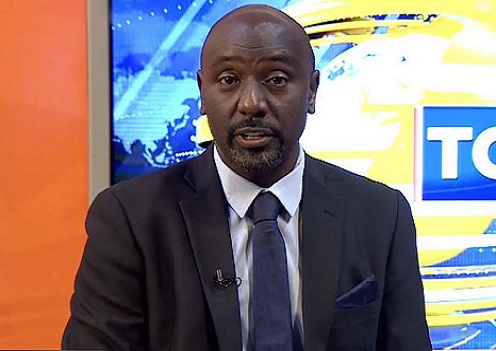
A 21-member committee reportedly endorsed the 56-year-old journalist and UBC news anchor, with 19 members signing the resolution presented at Karuziika Palace. Kijanangoma is the son of the late Prince Christopher Paul Kijanangoma and grandson of former Tooro King George David Rukidi III.
The clan’s argument is rooted in the historical structure of Tooro succession. Unlike constitutional monarchies where succession automatically passes according to a fixed order, the Tooro monarch is selected from the Babiito royal dynasty.
This gives the clan a powerful argument: that being Oyo’s biological child does not automatically make a person Omukama unless the requirements of Tooro custom have been fulfilled.
The mystery surrounding Oyo’s son
This is perhaps the most sensitive outstanding question. If Oyo left a biological son, who is the child, and has he been formally recognised by the Babiito?
The family says the answer is contained in Oyo’s will. But Babiito representatives have argued that they cannot select an heir based merely on claims about a child whose identity and royal status have not been formally presented to the clan.
A member of the succession committee, Fr Dr Charles Oyo, said children born into the royal family are traditionally introduced to elders and subjected to ceremonies and other processes. He argued that a child being considered for future leadership also requires appropriate upbringing and preparation for the responsibilities of the throne.
The Babiito leadership had earlier demanded that the reported son be presented to the clan for verification. Omusuuga Charles Kamurasi said some members of the clan had never seen or heard of the alleged heir before Oyo’s death.
That leaves a fundamental question: does Oyo’s will create an automatic right to the throne, or does the child first have to pass through the traditional recognition process?
The alternative successor question
The royal family has also raised another potentially important issue.
Komuntale says Oyo’s will did not merely name one heir. It also provided for an alternative successor if the preferred heir was unable to assume the throne.
That provision could become important if the Babiito maintain that Oyo’s reported son is too young or has not met the customary requirements.
The family therefore appears to be asking that the entire will be examined, rather than simply dismissing the boy and proceeding directly to another adult prince.
The question is particularly significant because the succession process has already changed course once.
The Babiito succession committee initially selected Prince George Desmond Kamurasi, 36, before the process eventually moved to Kijanangoma. Reports indicated that Kamurasi declined the throne, forcing the clan to revisit its choice.
Why Kijanangoma’s selection is controversial
Kijanangoma’s selection has therefore not necessarily ended the succession question.
For the Babiito, it represents a lawful and customary decision to identify an adult royal capable of taking over the cultural responsibilities of the kingdom.
For Oyo’s family, however, it risks bypassing the late king’s expressed wishes. The timing has made matters even more delicate.
Queen Mother Best Kemigisa has appealed to those involved in the succession dispute to allow the family to bury Oyo peacefully before pursuing the political and cultural contest over the throne.
She has also alleged that royal guards were withdrawn from the palace and soldiers deployed, restricting the royal family’s movement and visitors. She described the situation as akin to house arrest and appealed to President Museveni and the army leadership to allow the family to mourn.
Burial before succession or succession before burial?
The biggest immediate challenge is therefore practical. Oyo’s burial is scheduled for Saturday at the royal tombs in Karambi, near Fort Portal. Yet the kingdom traditionally requires the succession process and the new monarch’s ceremonial responsibilities to be carefully coordinated with the funeral rites.
This creates a potentially uncomfortable situation if the family does not recognise Kijanangoma while the Babiito regard him as their duly selected Omukama.
The controversy could therefore force the kingdom to answer questions that have remained largely within royal circles: What happens when the late king’s will appears to conflict with customary succession? Who verifies a disputed heir? Who has the final word—the family, the Babiito or the established cultural institutions?