
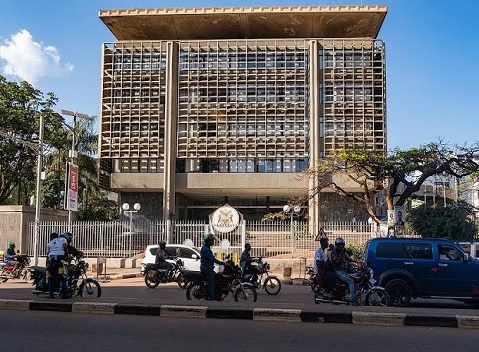
BOU headquaters along Kampala Road
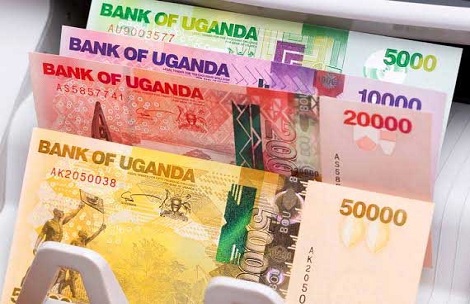
HABARI DAILY I Kampala, Uganda I The Uganda Shilling has staged a notable recovery against the US dollar following an emergency intervention by the Bank of Uganda (BoU), which tightened monetary policy and took selective measures to ease pressure on the local currency after weeks of sharp depreciation.
The shilling gained more than 2% against the dollar following the central bank’s decision to raise its benchmark Central Bank Rate (CBR) by 225 basis points, from 9.75% to 12.0%, according to LSEG data. The move marked an aggressive response to the currency’s persistent weakness and growing concerns about its potential impact on domestic inflation.
The emergency Monetary Policy Committee meeting was brought forward from its originally scheduled date, underscoring the urgency of stabilising the foreign exchange market.
Aggressive Monetary Tightening
The increase in the CBR was intended to tighten financial conditions, contain inflationary pressures and restore confidence in the shilling. Higher interest rates can make investments denominated in local currency more attractive, potentially supporting demand for the shilling while discouraging excessive liquidity in the financial system.
Bank of Uganda Governor Michael Atingi-Ego said the currency’s recent depreciation could amplify inflation, warning that price pressures could rise rapidly despite inflation remaining below the central bank’s medium-term target.
Annual inflation stood at 4.6% in the previous month, below the BoU’s 5% target. However, the central bank was concerned that a prolonged currency decline would increase the cost of imported goods, fuel and other essential commodities, eventually feeding into consumer prices.
The rate hike therefore served both as a currency-stabilisation measure and a preventive step against a potential acceleration in inflation.
Absorbing Excess Liquidity
The central bank also strengthened its efforts to reduce excess liquidity in the banking system. It increased the Cash Reserve Requirement (CRR) for commercial banks from 11.0% to 13.5%, requiring lenders to hold a larger proportion of their deposits as reserves.
This measure limits the amount of money banks can freely deploy, helping tighten liquidity conditions and reinforcing the impact of the higher policy rate.
In addition, the BoU used liquidity-management instruments, including repurchase agreements (repos), Treasury bills and its deposit facility, to withdraw excess shilling liquidity from the market.
Together, these measures were designed to reduce pressure on the exchange rate and support greater stability in the domestic financial system.
Selective Foreign Exchange Intervention
Beyond monetary tightening, the BoU employed selective US dollar sales during late-day trading sessions to counter extreme volatility in the foreign exchange market.
Although the central bank has generally maintained that the shilling should remain market-determined, these targeted operations helped address periods of excessive pressure without committing to defending a particular exchange-rate level.
The approach reflected an effort to smooth disorderly market movements rather than establish a fixed exchange rate.
External Pressures Remain
The recovery follows a difficult period for the shilling, which had fallen approximately 11% against the dollar during the year and recorded repeated lows over the preceding six weeks.
Market participants attributed the depreciation partly to increased demand for dollars from oil importers amid elevated global energy prices linked to the Iran war, alongside reduced foreign currency inflows.
While the shilling’s post-intervention gains suggest that the BoU’s decisive response has begun to restore market confidence, sustained recovery will depend on broader foreign exchange supply and demand conditions.







About the Author