HABARI DAILY I Kampala, Uganda I The number of Ugandans facing acute hunger is due to shoot up to 4.4 million next year, up from the current 3.6 million, as prolonged drought, declining agricultural production, high food prices and dwindling humanitarian assistance threaten the livelihoods of vulnerable communities.
The projected increase, expected between February and June 2027, is contained in the 2026 Integrated Food Security Phase Classification (IPC) Report on Acute Food Insecurity and Acute Malnutrition, released by the Government of Uganda, the United Nations and development partners.
The report warns that refugees, communities in the Karamoja sub-region and households in other vulnerable areas are likely to bear the greatest burden as food shortages and malnutrition worsen.
One of the major drivers of the crisis is climate change, with prolonged dry spells, erratic rainfall and severe drought disrupting agricultural production and undermining household food supplies.
In some farming areas, crop losses have reached between 50% and 70%, leaving families with diminished harvests to sustain their households or sell to generate income.
Karamoja, where many households depend on crop farming and livestock keeping, is particularly vulnerable to prolonged dry conditions. Reduced rainfall undermines crop yields, while shortages of pasture and water threaten livestock, which provide food, income and other essential resources.
Crop and livestock pests and diseases have compounded the problem, destroying harvests, reducing animal productivity and weakening the capacity of farming households to recover from climate-related shocks.
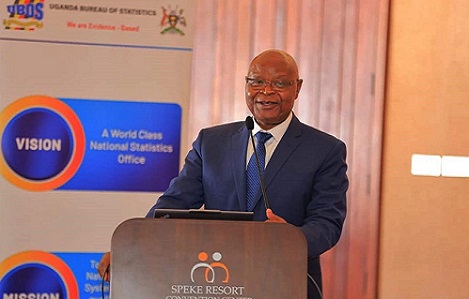
Speaking at the launch of the report, United Nations Resident Coordinator in Uganda Leonard Zulu attributed the worsening food insecurity to recurring climate shocks, declining agricultural production, crop and livestock pests and diseases, and persistently high food prices.
“Urgent action is needed to protect vulnerable households and strengthen food systems before the situation deteriorates further,” Zulu warned.
High food prices leave families struggling
Beyond reduced agricultural production, persistently high food prices are making it increasingly difficult for low-income households to afford sufficient and nutritious meals.
Families that have lost crops to drought or pests often have to purchase food from markets at a time when their incomes have also declined. This double burden leaves them with fewer resources to meet their nutritional needs.
Some households are consequently forced to reduce portion sizes, skip meals or rely heavily on cheaper starchy staples at the expense of more nutritious foods.
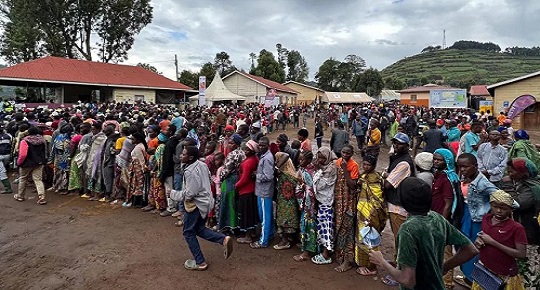
The report also points to declining humanitarian assistance as another factor aggravating the crisis. Reduced aid funding and cutbacks in school feeding programmes have weakened the safety net for vulnerable households, including refugees and rural communities.
In refugee-hosting districts and settlements, where many families depend on humanitarian support, declining assistance can further restrict access to food and other essential services.
The combined pressures of drought, high food prices and reduced assistance are therefore leaving more households exposed to hunger, with limited resources to withstand further shocks.
Children and mothers face malnutrition
The consequences of food insecurity extend beyond hunger, threatening the health and development of children and women.
The IPC report projects that 465,900 children under five and 246,300 pregnant and breastfeeding women will require treatment for acute malnutrition between April 2026 and March 2027.
Malnutrition among young children can undermine physical growth, development and learning, while pregnant and breastfeeding women face increased nutritional demands that become difficult to meet when household food supplies are inadequate.
The assessment also identifies limited access to healthcare, clean water, sanitation and social protection as factors worsening malnutrition, particularly in Karamoja, refugee-hosting districts and other vulnerable communities.
Poor water and sanitation conditions can expose households to illnesses that further compromise nutrition, while limited healthcare access can delay the identification and treatment of malnourished children.
Alex Bambona, Assistant Commissioner for Food and Nutrition Security at the Ministry of Agriculture, Animal Industry and Fisheries, said the IPC assessment was conducted between August and September 2026 across 60 districts.
The assessment covered Karamoja, refugee-hosting districts, refugee settlements and urban refugee communities to establish the country’s food security and nutrition situation.
Government calls for sustainable interventions
Prime Minister Robinah Nabbanja called for affordable and sustainable interventions that would enable communities to produce their own food and strengthen their resilience against future shocks.
“I want to call upon government, development partners and humanitarian agencies to prioritise long-term investments that reduce dependence on emergency food assistance,” Nabbanja said.
The report was launched alongside the United Nations and Partners’ Joint Appeal for the Uganda El Niño and Karamoja Food Insecurity and Nutrition Crisis, which seeks US$50 million to support emergency response efforts in Karamoja and early interventions in 37 districts and eight refugee settlements.
The appeal will finance cash assistance, agricultural and livestock support, nutrition screening and treatment, healthcare, child protection, gender-based violence prevention, water and sanitation programmes, disaster preparedness and early warning systems.
These interventions are intended to address immediate humanitarian needs while strengthening communities’ capacity to withstand future food and nutrition crises.
The projected increase to 4.4 million people facing acute food insecurity underscores the urgency of coordinated action by government, humanitarian agencies and development partners.







About the Author