
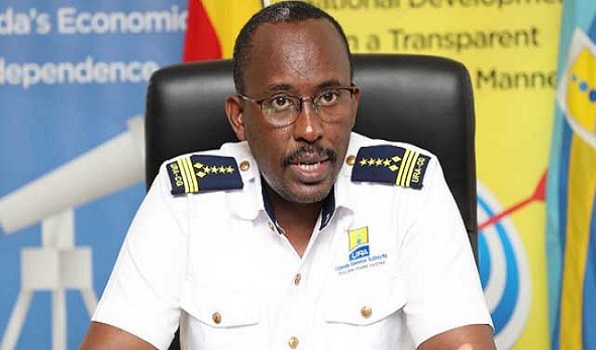
John Musinguzi Rujoki, the URA Commissioner General
HABARI DAILY I Kampala, Uganda I The Uganda Revenue Authority (URA) has defended its decision to dismiss two senior officials, insisting that the action was taken within its statutory mandate and followed internal disciplinary investigations into allegations of corruption, fraud and abuse of office.
The officials dismissed on November 13, 2026, are former Commissioner for Customs Asadu Kisitu Kigozi and Assistant Commissioner for Integrity, Compliance and Ethics James Abola.
URA maintains that their dismissal was not arbitrary but followed investigations and disciplinary proceedings into alleged misconduct that threatened the integrity of the tax collection institution and exposed government revenue to losses.
The authority’s defence comes amid questions surrounding the circumstances of the dismissals, particularly after Kigozi challenged the disciplinary process, accusing some officials involved in the investigations of procedural irregularities, witness coercion and conflicts of interest.
Through its leadership and corporate communications department, URA has maintained that it has the legal authority to investigate, discipline and terminate the employment of staff found culpable of professional misconduct.
Board’s authority to discipline officers
The authority’s position is that the URA Board has the statutory responsibility to exercise disciplinary control over employees, including commissioners and other senior managers.
This position was particularly important in Kigozi’s case after he wrote to the then Board Chairman, Emmanuel Katongole, on September 8, 2026, challenging the manner in which investigations against him were being conducted.
In his letter, Kigozi reportedly alleged that witnesses had been coerced or financially induced to testify against him. He also questioned the non-disclosure of material evidence and raised concerns about the impartiality of some individuals involved in the disciplinary process.
He consequently requested an independent investigation and the appointment of a separate committee to handle his disciplinary proceedings.
However, the Board rejected his request to halt the process, maintaining that it had the statutory authority to investigate and discipline officers of his rank.
The Board also indicated that Kigozi should be furnished with the allegations and supporting evidence to enable him to respond to the accusations.
Investigations uncover alleged corruption
According to reports detailing the disciplinary findings, Kigozi was found culpable of several offences, including soliciting approximately Shs305m in bribes, concealing taxpayer liabilities and irregularly facilitating the clearance of a luxury Rolls-Royce vehicle.
Other allegations included collusion with private sector players, undervaluation of imported goods and manipulation of customs processes, practices that could undermine government revenue collections.
Kigozi, who had served URA for approximately 25 years, was suspended on April 30, 2026, pending investigations. He was subsequently placed on three months’ garden leave as the investigations and disciplinary process continued.
The decision to terminate his employment was reportedly reached during the URA Board’s fourth special sitting on November 12, 2026, before taking effect the following day.
Abola’s dismissal, meanwhile, followed investigations into his handling of a Payment Reference Number (PRN) fraud case dating back to 2024.
The findings reportedly established that he had failed to properly investigate the fraud allegations and subsequently altered findings in an official investigation report without authorisation from the designated inquiry panel.
His actions were considered serious breaches of professional responsibility, particularly given that his department was responsible for promoting integrity, compliance and ethical conduct within the tax authority.
The two dismissals therefore represent a significant development in URA’s efforts to strengthen internal accountability.
Musinguzi’s warning against fraud
URA Commissioner General John Musinguzi Rujoki has previously warned customs officials against collaborating with traders to manipulate import declarations and deprive government of revenue.
Addressing customs officers at the Busia One-Stop Border Post in October 2024, Musinguzi warned against collusion through undervaluation and misdeclaration of imported goods.
“There are reports of collusion through undervaluation and misdeclaration, which should be stopped to close revenue gaps associated with the importation of goods,” Musinguzi said.
He also called for tougher action against smugglers and warned officers against releasing impounded goods without proper accountability.
In February 2025, he issued another warning to customs agents over export fraud, false documentation and manipulation of tax payment records.
He noted that some agents collected money from taxpayers without remitting it to government, while others allegedly collaborated with URA employees to alter payment records.
These concerns provide the wider context in which the authority has framed the latest disciplinary actions.
Kalumba confirms investigations
URA Assistant Commissioner for Public and Corporate Affairs Robert Kalumba confirmed on November 13 that the two officials had been dismissed following internal investigations into corruption-related cases.
His confirmation reinforced the authority’s position that the dismissals were outcomes of formal disciplinary processes rather than administrative decisions taken without investigations.
The development is particularly significant because Abola headed the department entrusted with enforcing integrity and ethical standards among URA employees.
The authority has previously acknowledged challenges involving corruption within its workforce. In a September 2024 publication, URA disclosed that more than 80 employees had been dismissed for misconduct since 2021, while 14 others were facing charges before the Anti-Corruption Court.







About the Author