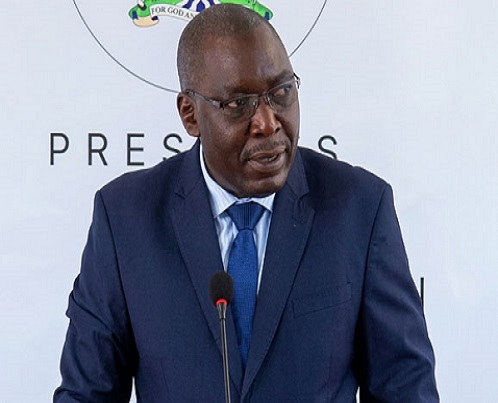


MPs debating new 2026/27 tax proposals tabled by Hon Henry Musasizi last week
HABARI DAILY I Kampala, Uganda I The Government of Uganda has tabled sweeping new tax proposals that, if passed, are expected to significantly alter the cost of living and doing business for millions of ordinary citizens.
The measures, contained in eight Bills presented before Parliament last week, aim to raise billions of shillings in additional domestic revenue for the 2026/27 financial year. They were introduced by the Minister of State for Finance (General Duties), Henry Musasizi, during a plenary sitting chaired by Speaker Anita Among.
While government argues the proposals will strengthen fiscal independence and support long-term economic growth, analysts warn that the immediate effect will be felt most sharply in the daily lives of average Ugandans through higher prices of essential goods and services.
Clothing, transport and basic needs
Among the most controversial proposals is a 30% environmental levy on imported secondhand clothes, commonly known as “mivumba.” For many low-income earners, these clothes are the most affordable option.
The proposed levy, under the External Trade (Amendment) Bill 2026, will increase the cost of secondhand garments, forcing traders to pass on the burden to consumers. This could leave many Ugandans paying significantly more for basic clothing.
Government says the move is intended to “mitigate environmental degradation, while promoting domestic production,” according to the Bill signed by Finance Minister Matia Kasaija. However, critics argue that local textile industries may not yet be able to meet demand at affordable prices.
Transport costs are also likely to rise. The Traffic and Road Safety (Amendment) Bill 2026 maintains restrictions on importing vehicles older than 13 years while revising environmental levies. This, combined with existing fuel-related taxes, could push up the cost of vehicles and spare parts, ultimately affecting taxi fares, delivery charges and commodity prices.
Construction and housing pressures
The construction sector is another area where the proposed taxes are expected to have a ripple effect. A flat excise duty of sh1,000 per 50kg bag on cement and related materials such as adhesives, grout and lime is set to increase building costs.
Economists warn that this will directly impact housing affordability, as landlords and developers transfer the additional costs to tenants and buyers. For a country already grappling with a housing deficit, the new taxes could further slow construction and infrastructure development.
Alice Nalweera, an economics fellow at Blueprint Consortium Africa and assistant lecturer at Makerere University, cautioned that taxing construction inputs may undermine broader economic transformation.
“Increased costs could raise the cost of structural transformation,” she noted, warning that sectors dependent on affordable construction materials may struggle to grow.
Food, cooking and household expenses
Household expenses are also expected to rise under the new measures. The introduction of an excise duty of sh500 per litre or kilogramme on cooking fat will directly affect food preparation costs in homes and restaurants.
Additionally, new taxes on locally manufactured paints (3% or sh50 per litre) and higher rates on imported paints will increase the cost of finishing homes and buildings, further adding to the financial burden on households.
Although some essential imports such as vaccines, medicines and agricultural chemicals will be exempted from certain levies, many everyday goods remain affected, raising concerns about inflationary pressure.
Alcohol, betting and lifestyle costs
The proposals also target lifestyle sectors, including alcohol and betting. Imported spirits with less than 80% alcohol content will attract an excise duty of 80% or sh3,500 per litre, whichever is higher.
This is likely to increase prices in bars and retail outlets, affecting both consumers and business owners in the hospitality industry.
Meanwhile, the Lotteries and Gaming (Amendment) Bill 2026 proposes a 30% tax on betting and gaming activities, calculated on net earnings after payouts. For many urban youth who rely on betting as a source of income or entertainment, this could significantly reduce winnings.
Digital transactions and small businesses
In the digital economy, a proposed 10% withholding tax on commissions earned from telecommunications services—including mobile money—could have far-reaching consequences.
Mobile money agents, who form the backbone of financial transactions across the country, may see reduced earnings. In response, they could increase transaction charges, affecting millions of users who depend on these services for daily financial activities.
Small and medium enterprises (SMEs) also face uncertainty. While the Value Added Tax (Amendment) Bill raises the VAT registration threshold from sh150 million to sh250 million—offering temporary relief to smaller businesses—experts warn it may create unintended consequences.
Nalweera noted that some businesses may deliberately avoid growth to remain below the threshold, potentially encouraging informality rather than expansion.
Call for formalisation
Experts have underscored the need to focus on broadening the tax base rather than increasing the burden on existing taxpayers.
“However, it does not make sense to increase taxes without increasing formalisation,” said Paul Twebaze, a research fellow at the Advocates Coalition for Development and Environment.
“There should be deliberate efforts to increase the number of small businesses that can survive and grow, so that they can contribute to the tax base. Instead of chasing them off the streets, they should be supported and provided with access to finance and designated operating spaces,” Twebaze added.
His remarks reflect a broader concern that the informal sector—which employs a large portion of Uganda’s population—remains largely untapped in revenue collection.
Balancing growth and survival
The Government’s push to raise an additional sh4.8 trillion in domestic revenue is part of a wider strategy to achieve long-term economic growth and reduce dependence on external financing.
However, for the average Ugandan, the immediate reality is likely to be higher prices for clothing, transport, housing, food and basic services.
As Parliament debates the proposed laws, the challenge will be striking a balance between national development goals and the everyday survival of citizens already grappling with rising living costs.
If passed in their current form, the new tax measures will not just reshape Uganda’s fiscal landscape—they will redefine how millions of Ugandans spend, save and survive in their daily lives.