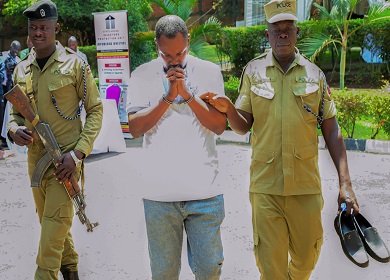

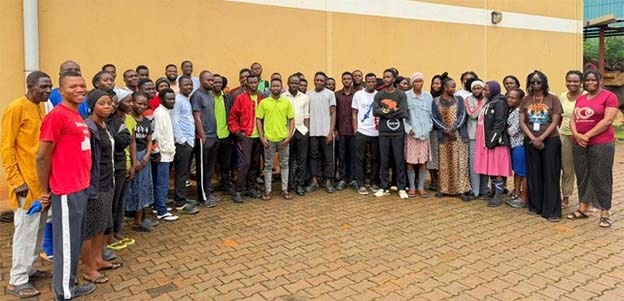
A group of Nigerian church members after they were apprehended by immigration officials in Adjumani and Kampala
HABARI DAILY I Kampala, Uganda I Immigration authorities in Adjumani District and Kampala have arrested dozens of Nigerian nationals in a crackdown officials say was driven by clear violations of the country’s immigration and labour laws.
According to the Directorate of Citizenship and Immigration Control (DCIC), at least 62 Nigerians were apprehended in Adjumani following a tip-off from members of the public. Investigations revealed that the group had been operating in Uganda without valid work permits—one of the key legal requirements for any foreign national seeking employment or conducting organised activities in the country.
Authorities say the suspects were not only residing in Uganda illegally but were also actively engaged in running a church and other ventures without official authorisation. Under Ugandan law, foreign nationals must obtain appropriate permits for both employment and religious or organisational activities, particularly when these involve public mobilisation or financial transactions.
“The arrests followed credible intelligence from the public, which prompted our enforcement teams to act swiftly,” immigration officials noted, adding that the suspects are now being processed for prosecution.
The operation highlights growing vigilance by immigration authorities amid concerns about the rise in undocumented foreign workers and unregulated activities. Officials argue that such enforcement is necessary to protect the integrity of Uganda’s labour market and ensure that all foreign nationals comply with established legal frameworks.
In recent years, Uganda has seen an influx of foreign entrepreneurs, religious actors, and informal workers, particularly in urban centres like Kampala. While many operate legally, authorities say a significant number bypass immigration procedures, creating challenges in regulation, taxation, and security monitoring.
Security experts note that unregulated operations—especially those involving organised groups such as religious institutions—can pose risks if left unchecked. Beyond immigration violations, such activities may complicate community relations and undermine oversight mechanisms designed to ensure accountability and transparency.
The arrests in Adjumani, and parallel enforcement efforts in Kampala, therefore reflect a broader government strategy to tighten compliance and deter illegal entry and employment. Officials have also urged members of the public to continue sharing information that could help identify individuals or groups operating outside the law.
As the suspects await prosecution, immigration authorities maintain that the crackdown is not targeted at any nationality but is part of a wider effort to enforce the rule of law uniformly. They emphasize that Uganda remains open to foreign nationals who follow legal procedures, but will act decisively against those who do not.