

HABARI DAILY I Kampala, Uganda I As we celebrate International Workers’ Day today, the spotlight in Uganda is increasingly turning to the role of women in the labour market.From the place where I stand, I can dare say that the need to dismantle barriers that have long held women back is work that would have been done many years ago.
Women form a critical pillar of Uganda’s economy, yet their participation remains constrained. In all aspects, female labour force participation lags behind men.
The unfortunate outcome of this is that the majority of working women are trapped in informal, insecure jobs. Many are concentrated in subsistence agriculture or unpaid family work, earning little and lacking social protection.
This reality has left many women classified among the “working poor,” with a gender pay gap exceeding 30 percent. Even in formal settings, women face “sticky floors” that keep them in low-paying roles and “glass ceilings” that limit their rise to leadership, where they few senior management positions.
Yet, despite these challenges, a quiet transformation is underway—one that could give Ugandan women reason to celebrate this year’s Labour Day.
Across the country, women are increasingly pushing into non-traditional sectors such as construction, engineering, and media, demanding safer workplaces and equal opportunities. This shift is being driven by a combination of policy reforms, grassroots activism, and changing social attitudes.
However, one of the most significant hurdles remains workplace safety. Reports indicate that up to 86 percent of women have experienced workplace harassment or violence.
Many cases go unreported due to fear of retaliation or lack of trust in reporting systems.
However, recent legislative efforts—particularly amendments to labour laws. Thankfully, several amended laws are beginning to address these gaps by strengthening protections and extending coverage to informal workers.
Civil society organisations have also intensified advocacy, pushing companies to adopt clear anti-harassment policies and train managers to respond effectively. In some sectors, employers are beginning to take accountability seriously, marking a shift toward safer and more inclusive workplaces.
Another major barrier is the burden of unpaid care work. Ugandan women spend a big chunk of their time carrying out domestic responsibilities.
This unfortunately limits their ability to take up formal employment. Addressing this imbalance requires not just policy change but cultural transformation.
Increasingly, there are calls for men to take on a greater share of household duties, enabling women to participate more fully in the economy.
Education and skills development are proving to be powerful tools in this transition. Government reforms to the curriculum now emphasize practical and technical skills, helping young women align their training with market demands. Vocational programmes targeting women are equipping them with competencies needed in higher-paying sectors, opening pathways out of poverty.
Technology is also playing a transformative role. The rise of remote work and digital platforms—accelerated by the COVID-19 pandemic—has created flexible employment opportunities that allow women to balance work and family responsibilities.
For many female entrepreneurs, digital tools are expanding access to markets beyond their immediate communities.
However, access to finance remains a critical challenge. Although Uganda boasts of one of the highest rates of female entrepreneurship globally, most women-led businesses operate on a small scale with limited profitability.
Expanding financial inclusion—through affordable credit, training, and market access, will be key to helping these enterprises grow and transition into the formal economy.
I would personally recommend that that existing laws that favour women advancement both in education and the workplace be critically enforced. Enforcing such laws is just as important as enacting new ones.
The successful implementation of labour protections, including provisions under the Employment (Amendment) framework, will determine whether women can truly benefit from safer and fairer working conditions.
Equally important is the role of partnerships. Collaboration between government, private sector, and development partners is helping to scale up initiatives that support women’s employment, from skills training to workplace reforms.
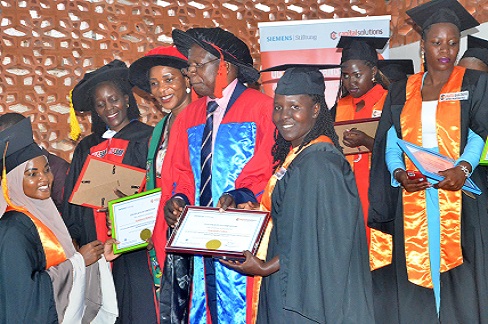
As Uganda prepares to mark Labour Day, there are signs of progress. More women are stepping into leadership roles, breaking stereotypes, and advocating for change. Their resilience is gradually reshaping the labour market into one that is more inclusive and equitable.
My analogy in all this is that this journey is far from over. But if current efforts are sustained through stronger enforcement of laws, investment in skills, and cultural shifts toward equality, Ugandan women will not only overcome employment hazards but also take their rightful place at the heart of the nation’s economic growth.
When that eventually happens, Labour Day will not just be a celebration of work, but of progress and equal opportunity.
The writer is a woman empowerment advocate and member of the board of the Presidential CEO Forum.







About the Author