
HABARI DAILY I Kampala, Uganda I Kalangala Islands have become a gem too treasurable for the ruling NRM government to lose. This has prompted President Yoweri Museveni and the National Resistance Movement (NRM) leadership to roll out an aggressive political and development strategy aimed at reclaiming the island district from opposition influence ahead of upcoming elections.
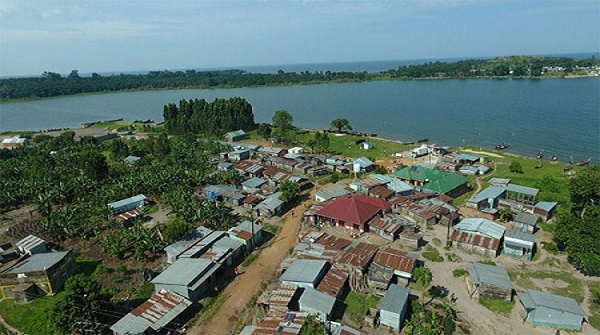
Kalangala (often referred to as the Ssese Islands) is an archipelago of 84 islands in Lake Victoria. The total district covers 9,103km2, but only 468 km² is actual land, with the rest being open water. The main, most visited island is Bugala Island, covering 275 to 296 km²
President Museveni is slated to visit Kalangala today, June 22, 2026. He will headline a major ruling party rally at the Kibanga Playground in Kalangala Town Council, which will serve as the climax of the NRM’s final push to support flagbearer Idah Nabayiga for the Woman Member of Parliament by-election. [
Grassroots mobilization
The new strategy combines intensive grassroots mobilization, targeted infrastructure investments, intervention in longstanding fishing disputes, and enhanced vote protection mechanisms as the ruling party seeks to strengthen its grip on the strategic Ssese Islands constituency.
For years, Kalangala District, which comprises the picturesque Ssese Islands on Lake Victoria, has been politically competitive despite benefiting from several government-backed development initiatives, including the lucrative oil palm project. However, with growing opposition inroads and voter dissatisfaction over unresolved local challenges, the NRM has identified the district as a priority battleground.
The latest push was evident on Monday when senior NRM leaders intensified campaigns for Idah Nabayiga, the party flag bearer in the Kalangala District Woman Member of Parliament by-election scheduled for June 24.
The mobilization campaign was led by NRM Buganda Region Vice Chairperson Haruna Kyeyune Kasolo and NRM Electoral Commission Commissioner Ambassador James Williams Kinobe. Their activities began with a strategic briefing of party campaign teams at Lwabiswa Landing Site in Bunyama Parish, Bujumba Sub-county on Bubembe Island before spreading to various communities across Mugoye Sub-county.
Political discontent evident
The campaign underscored what party insiders describe as a broader Museveni-led plan to reconnect the ruling party with grassroots voters and address issues that have fueled political discontent among island residents.
A central pillar of the strategy is direct village-to-village mobilization. Senior NRM officials, including Deputy Secretary General Rose Namayanja and other party leaders, have been deployed to strengthen local structures, engage voters directly, and ensure the party maintains a visible presence in every community.
According to NRM leaders, rebuilding confidence at the grassroots level is critical to reversing opposition gains and ensuring that government programs are effectively communicated to residents.
Speaking to local leaders during the campaign, Kasolo said many of the concerns raised by island communities had already received the President’s attention and would soon be addressed through targeted government interventions.
Among the most pressing concerns is the fishing sector, which remains the backbone of Kalangala’s economy. For years, fishermen have complained about enforcement operations against illegal fishing practices, restrictions on fishing gear, and conflicts surrounding mukene fishing.
Fishing disputes widespread
Kasolo revealed that President Museveni had specifically tasked newly appointed State Minister for Fisheries Robert Migadde Ndugwa with resolving the district’s longstanding fishing disputes.
“The President has chosen Minister Robert Migadde to sort your fishing issues. During the swearing-in ceremony, His Excellency specifically directed him to address all issues concerning mukene fishing and illegal fishing methods,” Kasolo told local leaders and residents.
The directive is being viewed as a strategic intervention designed to ease tensions between fishing communities and government agencies. Analysts say successfully resolving the fishing disputes could significantly improve the NRM’s standing among island voters, many of whom depend directly on the sector for their livelihoods.
Transport and infrastructure development form another important component of Museveni’s strategy.
Residents have repeatedly complained about limited transport services, particularly the lack of reliable night transport across Lake Victoria. The challenge has affected emergency healthcare access, business operations, and movement between islands and the mainland.
In response, government officials have pledged improvements aimed at addressing these concerns. Kasolo disclosed that the ferry currently used to transport oil palm vehicles would be renovated within the next two to three months to accommodate passenger transport.
The proposed improvements are expected to support local trade while also providing a solution to emergency situations that often leave residents stranded during night hours.
Ferry operations revamp
Government plans also include the introduction of night ferry operations, a move residents have long demanded. Local leaders believe the service could significantly improve healthcare access by enabling patients to reach medical facilities more quickly during emergencies.
Political observers note that infrastructure promises have become a central message in the NRM’s campaign narrative, with leaders emphasizing that continued support for the ruling party would accelerate service delivery and development projects across the district.
Kasolo urged voters to support candidates with strong local roots, arguing that effective representation requires leaders who understand the unique challenges facing island communities.
“The only person who can effectively help solve these problems in the next five years is Nabayiga. We are here to ensure that our people develop,” he said.
Meanwhile, Ambassador Kinobe challenged local NRM structures to intensify voter mobilization efforts, reminding party leaders that electoral success would largely depend on their ability to engage communities directly.
“The power to look for votes is vested in you because you live here,” Kinobe said. “Let us complete the NRM team in Kalangala by electing Nabayiga. This is the right time because we already have two MPs and need a third legislator who will deliver for the people.”
Beyond mobilization and development pledges, the ruling party is also implementing a comprehensive vote protection strategy aimed at preventing electoral fraud and safeguarding its vote tally.
Vote rigging huddle
NRM leaders have instructed party structures to closely monitor polling activities, deploy trained agents at voting stations, and maintain strict oversight of the electoral process. The measures are intended to ensure that every vote cast for the party is accurately counted and protected.
The campaign has also highlighted the NRM’s support for the family of the late Kalangala Woman MP Hellen Nakimuli, whose death triggered the by-election. According to Kasolo, members of the 12th Parliament contributed Shs500,000 each toward the welfare of Nakimuli’s children, raising more than Shs280 million that was handed over to the family last month.
As campaigning enters its final stages, Kalangala has emerged as a key testing ground for Museveni’s broader political strategy in Buganda. By combining grassroots engagement, economic interventions, infrastructure commitments, and election monitoring, the President appears determined to ensure that the strategic island district returns firmly to the NRM fold.
Whether the strategy will succeed will become clearer when voters head to the polls on June 24, but one thing is already evident: Kalangala has become too politically and economically important for the ruling party to leave to chance.







About the Author