
Erias Lukwago in detention
HABARI DAILY I Kampala, Uganda I Former Kampala Lord Mayor and prominent lawyer Erias Lukwago has been thrust into the center of one of Uganda’s most politically sensitive legal battles after authorities linked him to the same treason case facing veteran opposition leader Dr. Kizza Besigye. The development has sparked widespread criticism from opposition groups, lawyers, and human rights activists, who argue that the charges are politically motivated and aimed at weakening dissent.
Lukwago, who also serves as acting president of the opposition People’s Front for Freedom (PFF), is currently being held at Kira Division Police Headquarters after nearly two days of uncertainty over his whereabouts following his dramatic arrest.
According to opposition leaders who visited the facility on Wednesday, Lukwago was traced to Kira Police after being seized from his residence in Wakaliga by armed men dressed in military uniform on Monday. His detention remained undisclosed for days, prompting concern from family members, colleagues, and legal organizations.
Former Kampala Deputy Lord Mayor Doreen Nyanjura confirmed that members of Lukwago’s legal team had finally gained access to him at the police facility, although other visitors were reportedly denied entry.
New charge sheet
Lukwago now faces treason and misprision of treason charges in connection with the same high-profile state security case brought against Dr. Besigye. Under Ugandan law, treason encompasses acts such as plotting to overthrow the government by force or conspiring against the state, while misprision of treason involves concealing knowledge of a treasonous act or failing to report it to authorities.
The charges come as a major twist in a case where Lukwago had initially been serving as lead defense counsel for Besigye. His role placed him at the forefront of efforts to challenge the prosecution’s allegations against the opposition leader.
The timing of the charges has generated significant controversy. Lukwago’s arrest occurred shortly after he attempted to serve court documents on Uganda’s Chief of Defence Forces, Gen. Muhoozi Kainerugaba. He was representing Besigye in a lawsuit against the military chief over social media posts in which Muhoozi allegedly threatened to “hang” the opposition leader.
Severe restrictions
The arrest also followed a period of heightened tensions between the defense team and state prosecutors. Days before his detention, Lukwago and fellow defense lawyers had boycotted evidence-review sessions at Luzira Upper Prison, citing severe restrictions that they argued made it impossible to adequately prepare their client’s case.
Opposition leaders and rights activists believe these developments are closely linked. They contend that the decision to charge Lukwago is intended to dismantle Besigye’s legal defense team, frustrate the ongoing lawsuit against Gen. Muhoozi, and intimidate lawyers representing government critics.
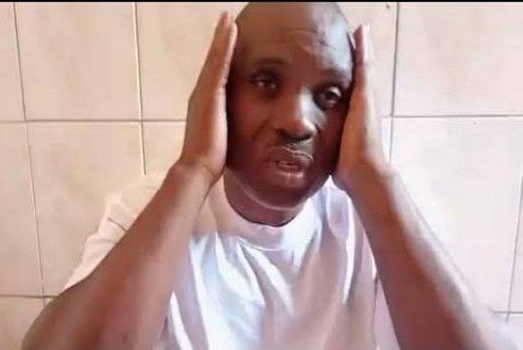
The controversy intensified further when Gen. Muhoozi posted photographs and videos on social media that appeared to show Lukwago in custody. Some of the images depicted the veteran lawyer blindfolded. In one post, the military chief referred to Lukwago as “my prisoner,” fueling concerns about the legality of his detention and the treatment of detainees.
Lawyers up in arms
Legal organizations have reacted strongly. The Uganda Law Society described the arrest as an attack on the legal profession and the administration of justice. The society subsequently issued a 24-hour ultimatum demanding Lukwago’s release, announced plans for a nationwide lawyers’ strike, and suspended participation in Bar-Bench engagements with the Judiciary.
The East Africa Law Society has also demanded immediate clarification regarding Lukwago’s legal status and warned against the intimidation of lawyers carrying out their professional duties.
Despite confirmation that Lukwago is being held at Kira Police, questions remain about the legal basis for his detention and the circumstances under which he was arrested. By Wednesday morning, authorities had yet to provide a detailed public explanation, while pressure continued to mount on the government either to formally present charges in court or release him.
Concern over Lukwago’s welfare has also grown due to reports of longstanding health challenges. Supporters and colleagues fear that prolonged detention without adequate access to medical care, family members, and legal counsel could worsen his condition.
As scrutiny intensifies, Lukwago’s arrest and treason charges have become a focal point in Uganda’s broader debate over political freedoms, the independence of the legal profession, and the treatment of opposition figures. For critics of the government, the case represents a troubling escalation in the use of state security laws against political opponents and those who defend them.







About the Author