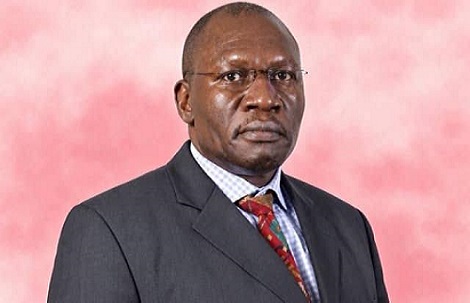

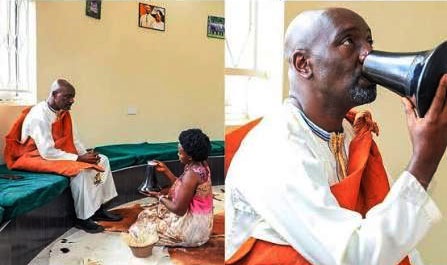
Nyabongo is served milk in royal gaurde as a new sign of initiation
HABARI DAILY I Kampala, Uganda I Several ancient rites will mark the passage from the late King Oyo’s reign to a new chapter for Tooro.
Before Prince Edward Rukidi Nyabongo I formally becomes the Omukama of Tooro, he must pass through a series of traditional rites that transform the king-designate from successor into monarch.
The ceremonies are not simply pageantry. They mark the end of one reign, connect the incoming king to his ancestors and prepare the royal palace for a new occupant.
Nyabongo is scheduled to be formally crowned on September 29 at Karuziika Palace in Fort Portal, following the death and burial of King Oyo Nyimba Kabamba Iguru Rukidi IV. The transition has been guided by traditional custodians, known as Abanyamirwa, who have been preparing the king-elect for the customs associated with his new role.
Nine coffee beans and the final rites for Oyo
One of the most significant moments in the transition comes through the burial rites of the previous monarch.
At the Karambi Royal Tombs, the incoming king traditionally places nine coffee beans, one after another, into the grave of his predecessor. The ritual symbolises the connection between the departing king, his ancestors and the monarch who is taking over the institution.
The significance of the number nine is also reflected elsewhere in Tooro royal traditions. The burial of Oyo on September 12 marked the culmination of the kingdom’s official mourning period and opened the way for the transition to his successor. Contemporary accounts of Tooro’s succession traditions identify the placing of nine coffee beans as one of the rites linking the burial of the outgoing monarch to the installation of the new one.
It is a symbolic handover: the new king does not simply occupy the throne after his predecessor’s death; he first participates in rites acknowledging the king who came before him.
Cleansing Karuziika for a new reign
Another important stage is the ritual cleansing of Karuziika Palace. Known as Oquaza, the process involves preparing the royal residence for its new occupant and clearing away items and belongings associated with the late king. Kingdom officials have emphasised that this is much more than ordinary cleaning or refurbishment.
Karuziika is the official seat of the Tooro monarch and a central location for the kingdom’s most important cultural ceremonies. Its preparation therefore carries a deeper meaning: the physical palace must be prepared for the beginning of another reign.
The cleansing represents a break between the old reign and the new one while preserving the continuity of the institution itself.
Receiving the blessing of elders
Nyabongo’s preparation also involves his interaction with elders, reflecting the importance of age, experience and ancestral knowledge in Tooro culture.
Among the induction rites is the symbolic seating of the king-elect on the lap of an elderly woman. The act is intended to ground and bless the incoming monarch as he assumes his responsibilities.
Rather than presenting kingship merely as authority, the ritual places the new Omukama within a wider cultural family in which elders remain custodians of knowledge and tradition.
It reinforces the idea that the king inherits responsibilities to a community, rather than simply inheriting a title.
Entering the palace through ritual
The king-elect’s entry into the royal residence is also accompanied by prescribed rites.
At designated palace entrances, including the Mugawante Gate, traditional ceremonies are performed to mark his passage into the royal space. These include the ceremonial killing of a white cock and the spearing of a bull.
Such rites form part of a broader tradition in which the incoming king’s physical movement through the palace becomes a symbolic journey into kingship.
The ceremonies distinguish an ordinary arrival from the entrance of a monarch taking possession of the royal institution.
The royal drums announce a new reign
Perhaps the most recognisable symbols of Tooro kingship are the royal drums.
The drums are deeply connected to the history of the Babiito royal clan and the authority of the Omukama. Their sounding is therefore an important part of the transition.
During the latest preparations, ritual custodians have been guiding Nyabongo through the ceremonial sounding of the royal drums.
The significance of the drum became particularly striking after Oyo’s death. During the mourning period, the royal drum was turned upside down and royal regalia were removed, symbolically indicating that the kingdom had no reigning monarch.
With the arrival of Nyabongo, the drum is restored as a symbol of active kingship.
The new king is expected to turn over the royal drum Butwarane and sound it nine times, signifying that he has assumed the administrative responsibilities of the kingdom. The ceremony also forms part of the night-time rites preceding the formal coronation.
A night of transition before the crown
The rituals culminate in a symbolic night procession from Rwengoma Palace to Karuziika.
According to the final coronation programme, Nyabongo is scheduled to leave Rwengoma on the night of September 28 and proceed to Karuziika, accompanied by thousands of people carrying reed lights. The journey represents the symbolic takeover of the royal seat.
By the time the formal coronation takes place on September 29, Nyabongo will have moved through a carefully prescribed sequence of mourning, burial, cleansing, blessing, entry and royal-drumming rites.
Together, these ceremonies provide a cultural bridge between Oyo’s reign and the new era under Nyabongo I.