
Refugee and asylum seekers in Uganda
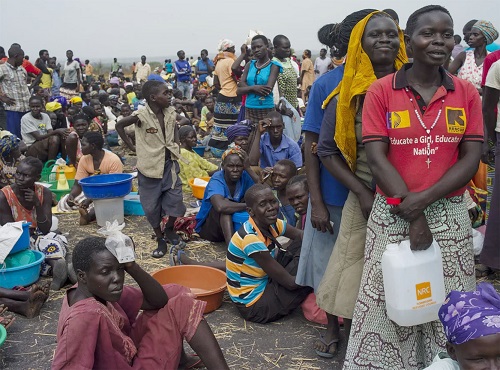
HABARI DAILY I Kampala, Uganda I Uganda is hosting more than two million refugees for the first time in its history, cementing its position as one of the world’s largest refugee-hosting countries amid growing regional conflicts and displacement crises.
The milestone was highlighted as Uganda joined the rest of the world in commemorating World Refugee Day on June 20 under the theme, “Until Everyone is Safe,” a call for global solidarity and renewed commitment to protecting people forced to flee war, persecution and violence.
In a joint statement issued by the Government of Uganda, the Office of the Prime Minister (OPM) and the United Nations High Commissioner for Refugees (UNHCR), officials reaffirmed the country’s long-standing open-door refugee policy while appealing for increased international support to sustain humanitarian assistance and development programmes.
“Uganda remains steadfast in its commitment to providing protection and asylum to people forced to flee conflict and persecution,” the statement said, adding that as we mark World Refugee Day 2026, we acknowledge that Uganda is now hosting over two million refugees, a reflection of both the scale of displacement in the region and our continued dedication to humanitarian principles.
The OPM, which oversees refugee affairs in Uganda, said the milestone demonstrates the country’s leadership in refugee protection but also underscores mounting pressure on resources and public services in refugee-hosting districts.
“While Uganda continues to implement progressive refugee policies that promote freedom of movement, access to education, healthcare and opportunities for self-reliance, the refugee response remains severely underfunded. We call upon the international community to strengthen its support to ensure that refugees and host communities can continue to live in dignity and safety,” the statement added.
Land Allocation
Uganda hosts refugees primarily from neighbouring countries including South Sudan, the Democratic Republic of Congo, Sudan, Rwanda, Burundi and Somalia. The majority reside in settlements across northern and western Uganda, where they are allocated land for cultivation and integrated into local communities under one of the most progressive refugee frameworks in the world.
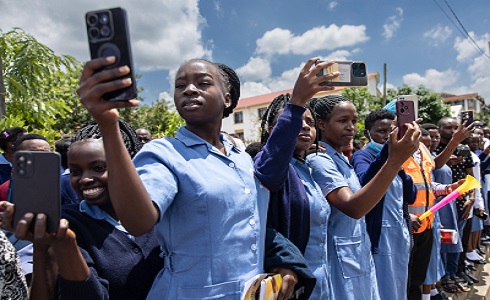
National celebrations for World Refugee Day are taking place in several refugee-hosting districts, including Adjumani, Kiryandongo and Palabek, bringing together refugees, host communities, government agencies, development partners and civil society organizations.
The commemorations feature cultural performances, exhibitions showcasing refugee-led businesses and innovations, sporting activities, youth dialogues and advocacy campaigns promoting education and social inclusion.
Officials said this year’s events place particular emphasis on the protection of children and young people, who make up a significant proportion of Uganda’s refugee population.
Programs organized across settlements are highlighting access to education, skills development, child protection and youth empowerment initiatives aimed at helping displaced populations rebuild their lives and contribute meaningfully to their communities.
The celebrations also coincide with growing global concern over the erosion of asylum rights and increasing restrictions facing refugees in many parts of the world.
Defending Asylum Rights
The UNHCR’s global campaign for World Refugee Day 2026 focuses on mobilizing younger generations to defend asylum as a fundamental human right and a cornerstone of international protection.
This year’s theme, “Until Everyone is Safe,” comes as the world prepares to mark the 75th anniversary of the 1951 Refugee Convention, the landmark international treaty that established the rights of refugees and the obligations of states to protect them.
UNHCR High Commissioner Barham Salih said the convention remains as relevant today as it was when it was adopted in the aftermath of the Second World War.
“Seventy-five years ago, from the ashes of the Second World War, the world made a fundamental promise: anyone forced to flee war, conflict or persecution has the right to find safety and protection,” Salih said.
“That promise was universal and designed to endure. It was built for our grandparents, for us, and for all generations to come.”
Salih warned that the global asylum system is facing increasing pressure as conflicts intensify and political divisions grow in many countries.
“Today, that safety net is under immense pressure. But human rights are not negotiable. Safety should not be a privilege. No one is truly safe until the most vulnerable among us are safe. Young people remind the world of this every day,” he added.
The UN refugee agency is using the campaign to challenge misconceptions about refugees while encouraging governments and citizens to recognize asylum as a shared global responsibility.
2.4 Million Refugees Need Resettlement
According to UNHCR projections, approximately 2.4 million refugees worldwide will require resettlement opportunities in 2027, highlighting the urgent need for countries to expand refugee admissions and accelerate processing mechanisms.
The agency is also advocating for a long-term shift away from dependence on humanitarian assistance toward sustainable solutions that allow refugees to become self-reliant.
Salih recently outlined an ambitious goal of reducing by more than half the number of refugees trapped in long-term displacement and dependent on aid over the next decade.
Achieving this objective, he said, will require expanded access to employment opportunities, education, healthcare services, local integration pathways, voluntary repatriation and third-country resettlement.
UNHCR Goodwill Ambassador Maya Ghazal, the first Syrian female refugee to become a pilot, said refugees often leave their homes under circumstances beyond their control and deserve empathy and support.
“No one chooses to leave everything they love behind. It is a heart-wrenching reality that can happen to anyone, at any moment,” Ghazal said.
“The right to seek safety is a sacred promise of shared humanity, and until everyone is safe, we must keep standing together.”
For Uganda, the World Refugee Day commemorations are both a celebration of resilience and a reminder of the challenges ahead.
Government officials and humanitarian agencies say sustained international solidarity will be essential to preserve Uganda’s open-door policy, strengthen services in refugee-hosting communities and ensure that those forced to flee can continue to find safety, protection and hope within the country’s borders.







About the Author