HABARI DAILY I Kampala, Uganda I Uganda’s Ebola surveillance and response systems have been placed on high alert following reports that more than 100 Ebola patients escaped from a treatment centre in eastern Democratic Republic of Congo (DRC), raising fears of a new wave of imported infections through the country’s porous western border.
The alarming development has triggered concern among health officials, security agencies and local leaders, particularly in the West Nile sub-region, where hundreds of informal crossing points continue to undermine efforts to restrict movement from Ebola-affected areas in neighbouring Congo.
Ituri Province report
Authorities in Greater Nebbi say they received information from their counterparts in Ituri Province indicating that at least 114 patients who had been quarantined and isolated for treatment escaped from a health facility amid ongoing challenges facing Ebola containment efforts in the region.
The incident has amplified fears that some of the escapees could attempt to cross into Uganda unnoticed, potentially exposing communities to one of the world’s deadliest viral diseases.
Paul Bwire, the Deputy Resident District Commissioner for Nebbi District and chairperson of the district Ebola Task Force, confirmed that Ugandan authorities had been notified about the escape and had intensified surveillance measures along the border.
“We have closed all gazetted border points, but people are still crossing through porous bush paths. Our surveillance teams are now deployed to trace them before they mix with communities,” Bwire said.
The threat is particularly worrying because Uganda has already experienced the consequences of cross-border Ebola transmission. Health officials note that most of the Ebola cases recently registered in the country were imported from DR Congo before spreading to close relatives and contacts. The country’s first confirmed Ebola death in the current outbreak was also linked to cross-border transmission.
The districts considered most vulnerable include Nebbi, Zombo, Pakwach and Arua, all of which share close social, cultural and economic ties with communities across the border.
Border points fragile
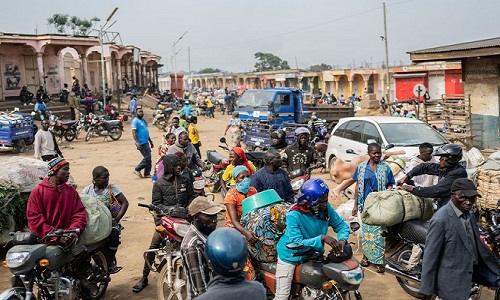
Despite the closure of official border points such as Padea in Zombo District, Goli Customs in Nebbi District and Dei in Pakwach District, residents continue to use numerous ungazetted crossing routes. Many traders and travellers reportedly move through these bush paths under the cover of darkness, making detection difficult.
Security agencies have already intercepted several individuals attempting to enter Uganda illegally. At least nine Congolese nationals were recently arrested in Pakwach after allegedly bypassing border restrictions, while more than 30 others have been deported after crossing into the country through unauthorized routes.
Health experts warn that the escape of Ebola patients significantly increases the risk of transmission because infected individuals may travel without screening, avoid treatment or come into contact with unsuspecting communities. Ebola spreads through direct contact with the bodily fluids of infected persons, making uncontrolled movement a major public health concern.
The challenge is compounded by the difficulties facing Ebola response efforts in eastern Congo. For years, health authorities there have struggled with community resistance, insecurity and mistrust of government-led interventions.
Reports from Ituri Province indicate that some residents have opposed quarantine measures, contact tracing and safe burial procedures. In several instances, Ebola treatment centres and response teams have come under attack from angry residents.
One of the most serious incidents reportedly occurred in Mongbwalu, where youths set fire to Ebola isolation tents, contributing to the escape of patients and disrupting ongoing containment efforts. Health workers have also faced assaults during field operations, further complicating efforts to control the outbreak.
The situation has unfolded against a backdrop of political and security changes in Ituri Province, where Major General Gaby Kasongo Mulumba recently replaced Lieutenant General Johnny Luboya Nkashama as military governor amid continuing security and public health challenges.
In Uganda, however, health authorities insist that preparedness measures remain active. According to the Ministry of Health, no new Ebola cases have been recorded during the past two weeks, a development that had offered hope that the outbreak was gradually coming under control.
Surveillance is robust
The ministry reports that 19 confirmed cases have so far been registered, with 10 patients discharged and seven still receiving treatment.
Emmanuel Ainebyona, the Ministry of Health’s Senior Communications Officer, said surveillance remains robust despite the absence of new infections.
“We are working with security forces, immigration and our surveillance teams to ensure they are able to detect any foreign nationals who may have recently entered from Congo in order to prevent the spread of Ebola,” he said.
Nevertheless, public health officials caution that Uganda’s greatest vulnerability remains the long and difficult-to-monitor border with eastern Congo. A single infected individual entering undetected could ignite fresh chains of transmission and reverse gains made through months of surveillance, contact tracing and community sensitization.
For now, health teams remain on standby, isolation facilities have been activated, and security personnel continue patrolling vulnerable crossing points. But with more than 100 Ebola patients reportedly unaccounted for, Uganda faces one of its most serious public health threats in recent months, and authorities know that vigilance may be the only barrier preventing another outbreak.







About the Author