
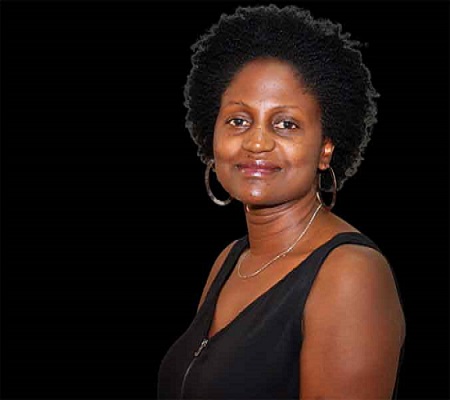
Susan Nsibirwa
HABARI DAILY I Kampala, Uganda I The media fraternity is under siege following the reported decision by Nation Media Group (NMG) Uganda Managing Director Susan Nsibirwa to go into hiding after Chief of Defence Forces (CDF) Gen. Muhoozi Kainerugaba publicly ordered her arrest in an escalating confrontation over independent journalism and the media house’s coverage of government activities.
The dramatic developments came just hours after security forces mounted an overnight operation at NMG Uganda’s headquarters in Namuwongo and at Kampala Serena Hotel, where part of the company’s broadcast infrastructure is located, forcing NTV Uganda, Spark TV, KFM and Dembe FM off air while disrupting the operations of the Daily Monitor and other NMG publications.
Gen. Kainerugaba, using his X social media account, directly identified Nsibirwa by name and instructed police officers across the country to arrest her.
“I hear there is a small girl called ‘Sue’…! We are looking for her. We will discipline her. She cannot cause chaos in our country,” he posted before adding in subsequent messages: “Sue Nsibirwa… I’m looking for her,” and, “All police patrols are instructed to arrest her on sight!”
The public arrest directive followed a strongly worded statement by Nsibirwa condemning the military blockade on Nation Media Group premises and describing the disruption of journalists’ work as an attack on press freedom and constitutional rights.
Sources close to the media house indicated that Nsibirwa has since gone into hiding over fears that the publicly issued arrest directive could be enforced by security agencies.
The dispute is rooted in months of growing friction between the Presidency and Nation Media Group. NMG journalists had reportedly been blocked from covering presidential activities at Kisozi, with the restrictions later widening to other official events.
Gen. Kainerugaba subsequently accused the media house of persistent misreporting about President Yoweri Museveni’s activities and questioned the role of independent journalism.
In a series of online posts preceding the shutdown, the military chief declared that NTV Uganda and the Daily Monitor would be closed and insisted they would remain shut “without my permission.”
He also openly dismissed the principle of media independence, writing that he did not believe in a free press and arguing that Uganda’s media should instead be guided by “cadres of the revolution.”
Despite the sweeping military operation and the public arrest order, neither the Uganda Police Force nor the Uganda Communications Commission (UCC) had, by Sunday evening, issued any formal statement explaining the legal basis for the siege on the media house or the directive to arrest Nsibirwa.
The developments have triggered widespread condemnation from media organizations and human rights groups. The National Association of Broadcasters (NAB) described the shutdown as deeply concerning, saying it threatened constitutional guarantees of freedom of expression and media independence.
The association said it had opened engagements with the Ministry of ICT, the UCC and the Chief of Defence Forces in an effort to seek clarification and an amicable resolution to the crisis.