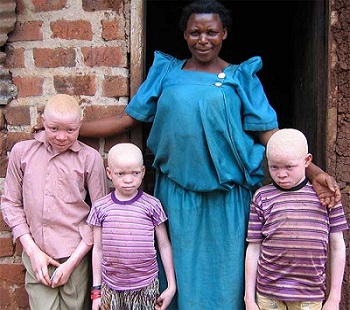
HABARI DAILY I Kampala, Uganda I For many Ugandans living with albinism, daily life is defined by far more than the medical challenges associated with the genetic condition. It is a constant struggle against discrimination, dangerous myths, physical attacks, social exclusion and fears for personal safety that continue to threaten lives across the country.
Although awareness about albinism has improved over the years, people with the condition remain among Uganda’s most vulnerable groups. They continue to face stigma rooted in superstition, limited access to essential health services, and the persistent danger posed by individuals who believe body parts of people with albinism possess magical powers.
According to advocates, myths surrounding albinism remain deeply entrenched in some communities. These false beliefs have fuelled discrimination and, in extreme cases, violent attacks against people living with the condition.
The dangers facing Uganda’s albino community extend beyond physical violence. Many are subjected to social isolation from childhood, with families sometimes abandoning or hiding children born with albinism due to fear of community ridicule or beliefs that they are cursed.
Education is another major challenge. Many children with albinism struggle in school because of poor eyesight, lack of learning materials suited to their visual impairment and bullying from classmates. Without proper support, many fail to complete their education, limiting future employment opportunities and reinforcing cycles of poverty.
Health risks are equally severe. Because people with albinism lack sufficient melanin, they are extremely vulnerable to the harmful effects of the sun. Prolonged exposure significantly increases their risk of developing skin cancer, one of the leading causes of premature death among people with albinism in Africa.
Advocates recommend the regular use of high-protection sunscreen, protective clothing, wide-brimmed hats and sunglasses to minimise exposure to ultraviolet rays. However, these products remain too expensive for many families, making adequate protection difficult to sustain.
Medical experts also advise regular skin examinations to detect early signs of skin cancer. Unfortunately, specialised dermatological services remain inaccessible for many Ugandans, particularly those living in rural communities.
The social stigma attached to albinism also has profound psychological consequences. Many people living with the condition report suffering anxiety, depression and low self-esteem after enduring years of rejection, insults and discrimination.
Women and girls with albinism often face additional vulnerabilities. Besides the general discrimination experienced by the wider albino community, they may also become targets of gender-based violence, exploitation and harmful cultural practices rooted in ignorance.
Community leaders and human rights organisations argue that ending these threats requires sustained public education aimed at dismantling longstanding myths about albinism. They believe accurate scientific information is one of the most powerful tools in combating dangerous superstitions.
Albinism is a rare inherited genetic condition characterised by little or no production of melanin, the pigment responsible for colouring the skin, hair and eyes. It affects people of every race and ethnicity and is not contagious.
Despite increasing public awareness campaigns, misconceptions remain widespread. Some people continue to associate albinism with witchcraft, curses or supernatural powers, beliefs that place those living with the condition at considerable risk.
The belief that body parts of people with albinism can bring wealth, success or good fortune has been documented in several African countries and has contributed to attacks, murders and grave robbing. Human rights organisations have repeatedly called for stronger law enforcement and cross-border cooperation to dismantle criminal networks that exploit these myths.
Ugandan advocacy groups warn that while outright killings are relatively rare compared to some neighbouring countries, the continued existence of such beliefs means the threat has never completely disappeared.
In addition to security concerns, people living with albinism frequently encounter barriers when seeking employment. Employers sometimes make assumptions about their abilities based solely on their appearance, despite many being fully qualified for available positions.
Housing discrimination and exclusion from community activities also remain challenges in some areas, further reinforcing marginalisation.
Civil society organisations continue to lobby government to provide free sunscreen, improve access to specialised eye care and dermatological treatment, strengthen legal protection against discrimination and integrate disability-friendly policies into public services.
Awareness campaigns have increasingly targeted schools, religious institutions and local leaders, encouraging communities to understand that albinism is simply a genetic condition rather than a curse or spiritual phenomenon.
These campaigns have yielded encouraging results in some districts, where improved understanding has reduced stigma and increased school enrolment among children with albinism. Nevertheless, advocates caution that much more work remains before harmful beliefs are completely eliminated.
Families are also being encouraged to provide emotional support to children born with albinism rather than hiding them from society. Experts say early acceptance within families significantly improves confidence, educational achievement and overall wellbeing.
Law enforcement agencies have been urged to investigate threats against people with albinism promptly and prosecute offenders to deter future attacks. Human rights defenders argue that visible enforcement of the law would reassure vulnerable communities and discourage criminals motivated by superstition.
As Uganda continues to confront discrimination against persons with disabilities, campaigners insist that the unique needs of people living with albinism deserve greater attention. Their concerns encompass not only security but also healthcare, education, employment and equal participation in society.
Ultimately, the greatest threat facing Uganda’s albino community is not the genetic condition itself but the persistence of ignorance, prejudice and harmful traditional beliefs. Until these misconceptions are fully challenged through education, stronger legal protection and improved access to healthcare, thousands of Ugandans living with albinism will continue to face unnecessary risks simply because of how they were born.







About the Author