
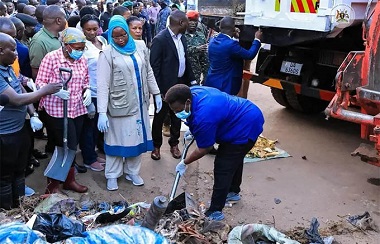
Vice President, Jennifer Alupo taking part in the cleaning exercise
HABARI DAILY I Kampala, Uganda I Uganda on Saturday successfully implemented its inaugural mandatory National Cleaning Day, with millions of citizens complying with a three-hour nationwide shutdown that transformed the usually vibrant streets into deserted spaces reminiscent of the strict COVID-19 lockdown period.
From 7:00 a.m. to 10:00 a.m., movement across the country ground to a halt as security agencies enforced a government directive prohibiting all non-essential travel. Uganda Police officers mounted roadblocks on major highways and city roads, preventing the movement of taxis, buses, private vehicles and boda bodas. Only emergency, medical and security vehicles were allowed to operate during the exercise.
The unprecedented civic campaign saw shops, open-air markets and other commercial businesses remain closed throughout the three-hour period as residents turned their attention to cleaning homes, neighbourhoods, schools, health facilities, drainage channels and public spaces.
Thousands mopped Kampala
In Kampala, where traffic congestion is a daily occurrence, the capital’s roads fell unusually silent as thousands of residents armed with brooms, hoes, slashers and wheelbarrows participated in the nationwide sanitation exercise.
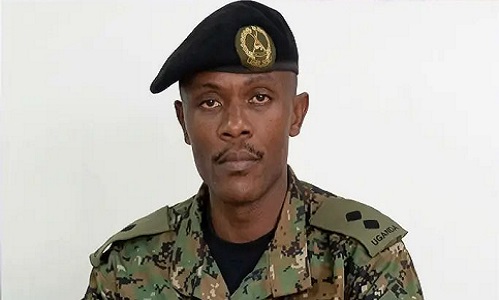
The national exercise was officially launched at Kiti Zone in Kisenyi III Parish, Kampala Central, by Vice President Jessica Alupo, who represented President Yoweri Museveni. She was joined by Prime Minister Robinah Nabbanja, Cabinet ministers, senior government officials and military leaders, including General Muhoozi Kainerugaba, who worked alongside ordinary citizens in cleaning markets and unblocking drainage channels.
The campaign marks the beginning of what the government says will become a permanent monthly civic responsibility after it was legally institutionalized through Cabinet Circular No. 1 of 2026. The exercise will now be observed on the last Saturday of every month.
Prime Minister Robinah Nabbanja revealed that the initiative was conceived by President Museveni and had been under preparation for the past year before receiving Cabinet approval on August 11, 2025.
She said the programme seeks to improve sanitation standards, reduce the burden of hygiene-related diseases and ultimately enhance household productivity.
“If well implemented, the initiative will strengthen our ability to boost household incomes because fewer people will fall sick from hygiene-related illnesses and will be able to concentrate on their work,” Nabbanja said.
She added that the government had already developed implementation guidelines clearly assigning responsibilities to ministries, departments and agencies involved in the programme.
National civic responsibility
Addressing participants during the launch, Vice President Alupo described the campaign as both a public health intervention and a national civic responsibility.
“This initiative will go a long way in enhancing the sanitation and hygiene of the nation. Let us therefore take it very seriously,” she said.
She urged Ugandans to begin maintaining cleanliness in their homes before extending the practice to surrounding communities.
“Poor hygiene is a danger to our lives. Therefore, cleaning is not an option; it is essential and reflects a sense of responsibility and patriotism from each and every one of us,” Alupo added.
The Vice President said the Office of the Prime Minister would coordinate the programme together with implementing ministries, departments and agencies. She also appealed to religious leaders, cultural institutions, political leaders, development partners and the private sector to champion sanitation efforts within their respective communities.
Non compliance horrific
The largely successful exercise, however, was not without controversy.
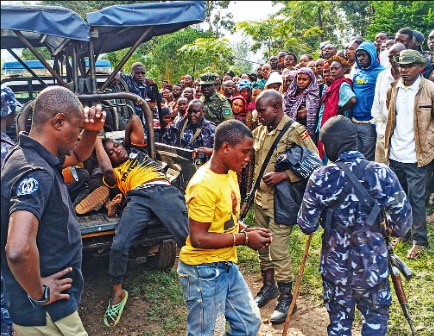
A video widely circulated on social media showed a police officer using a whip to compel an allegedly uncooperative resident to participate in the cleaning exercise. The footage generated widespread criticism from sections of the public, with many questioning the methods used to enforce compliance.
Despite the debate, government officials maintained that participation is mandatory under Ministry of Health guidelines. Individuals who refuse to participate or engage in illegal dumping risk prosecution under the Public Health Act.
The launch also reignited concerns about Uganda’s waste management capacity.
Balimwezo negative
Kampala Lord Mayor Eng. Ronald Balimwezo questioned whether local authorities possess sufficient equipment to collect and dispose of the increased volumes of garbage generated during the monthly exercise.
He noted that Kampala produces approximately 3,200 tonnes of garbage every day but currently has the capacity to collect only about 770 tonnes, leaving the majority either uncollected or disposed of through informal means.
Balimwezo warned that cleaning campaigns without adequate trucks and disposal infrastructure could simply relocate waste rather than solve the sanitation challenge.
Responding to the concerns, Alupo assured the public that government would progressively strengthen local governments’ waste management capacity.
“The government will continue providing local government, cities and municipalities with equipment including trucks for removing garbage, gloves and other waste management equipment in their areas of responsibility,” she said.
She urged local authorities to properly utilize and maintain the equipment once supplied as Uganda embarks on what government hopes will become a sustained national culture of cleanliness, improved public health and collective civic responsibility.