Kololo and Nakasero posess the biggest stock of the rich uptown Kampala rental property
HABARI DAILY I Kampala, Uganda I Growth in real estate continue to bolster Uganda’s economy, ensuring that it remains steadfast, with Kampala’s premium neighbourhoods emerging as major drivers of the city’s expanding rental market.
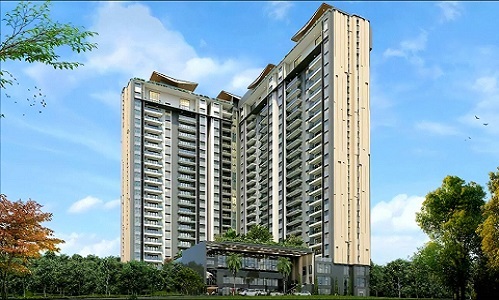
Naguru, Kololo and Nakasero, alongside other high-value areas, are attracting developers seeking to tap into sustained demand for modern apartments from tenants willing to pay a premium for security, accessibility, quality and proximity to essential services.
The growing concentration of investment in these neighbourhoods reflects a wider transformation of Kampala’s residential property market, where rising land values are encouraging developers to build upwards rather than continue expanding horizontally.
Why prime locations remain attractive
The Centre for Affordable Housing Finance Africa (CAHF) has reported continued demand for apartments in Kampala’s upper-end locations, including properties selling for between $150,000 and $200,000, equivalent to about Shs589 million to Shs785 million.
The organisation also indicates that increased supply of high-end apartments has contributed to some easing of rental prices in parts of central Kampala.
For developers and investors, however, the attraction extends beyond the initial sale of apartments. Premium properties can generate rental income while also offering potential capital appreciation.
Muhammad Sikander Kassam, the chief executive officer of Reportage Properties Uganda, said some developers offer substantial incentives to attract buyers.
“When you look at pricing, we give offers of up to 40% discount off the list price at launch. This gives significant returns for investors, not only on capital appreciation, but also on rental income, because you are buying below market price,” Kassam said.
The strategy demonstrates why premium neighbourhoods continue to attract investment even as parts of Kampala’s high-end rental market experience adjustments in prices.
Quality, security and convenience matter
The performance of prime residential properties is increasingly being determined not simply by location but by the quality of the development and the services surrounding it.
Knight Frank Uganda’s first-half 2025 Kampala market review showed that prime residential occupancy had fallen to 80%, while rents for two-bedroom units declined by 7%.
Despite this adjustment, the report found that the prime segment remained relatively resilient. Properties offering high-quality accommodation, professional management, security and proximity to essential amenities and infrastructure continued to attract greater interest.
This helps explain the continued focus on areas such as Naguru, Kololo and Nakasero, where residents can access business districts, diplomatic missions, schools, healthcare facilities, restaurants and other services without travelling long distances.
The same factors make the areas attractive to expatriates, corporate executives, diplomats and other higher-income tenants seeking convenience and secure accommodation.
Apartment boom exposes housing gap
The construction boom, however, raises questions about whether Kampala’s rapidly expanding premium housing stock is addressing the city’s wider housing shortage.
CAHF estimates Uganda’s housing deficit at about 2.4 million units, with more than 400,000 of these units required in the Greater Kampala Metropolitan Area.
The organisation estimates that Uganda has an annual housing deficit of about 284,000 units, against annual demand of roughly 344,000 units and supply of only about 60,000 units.
Rental housing dominates Greater Kampala, accounting for 72% of households, compared with 22% who own their homes.
Yet much of the new construction is concentrated at the upper end of the market, meaning that the growth in expensive apartments does not necessarily address the housing needs of lower- and middle-income households.
The direct contribution of new developments to the housing gap therefore depends heavily on their price points and locations.
Developers defend high-end projects
Developers argue that premium apartments nevertheless play an important role in Kampala’s housing market.
High-rise developments allow investors to make more intensive use of scarce and increasingly expensive urban land. A single development can accommodate hundreds of households on land that might otherwise support only a small number of standalone homes.
Such projects also attract investment, create construction employment and generate demand for building materials, professional services and property management.
Reportage Properties, for instance, has partnered with the National Housing and Construction Company on a Bukoto development comprising about 200 residential and commercial units. The project is valued at Shs116.3 billion.
The UAE-based developer says construction activity is gathering pace in Kampala, particularly in prime neighbourhoods.
“We started our journey from here, then went to Kenya, Rwanda, Ethiopia, Nigeria and Angola. We are now working on three other projects and launching another one in Naguru,” Vipul Patel, the construction manager at Reportage Properties Uganda, said.
The company’s expansion reflects the growing investor interest in Kampala’s premium residential market.
Rising property prices reinforce investor interest
The expansion of apartments also reflects broader changes in Kampala’s property market as land prices rise in established neighbourhoods.
Vertical development enables investors to maximise returns from limited urban land while responding to demand for centrally located accommodation.
Uganda Bureau of Statistics data shows that residential property prices have continued to rise. In the second quarter of financial year 2025/26, annual residential property inflation stood at 9.2% nationally, with particularly strong increases recorded in areas such as Wakiso.
By the fourth quarter, annual residential property inflation had moderated to 6.4%. The figures point to an active property market, although affordability remains a major concern.
Need for smarter urban development
Judy Rugasira, the managing director of Knight Frank Uganda, has stressed the need for continued investment in new apartments as Kampala’s population and housing demand grow.
She has also called for smarter cities and development of secondary cities to absorb some of the pressure on Kampala.
Her position reflects a broader industry argument that Uganda’s construction sector needs to focus not only on building more units, but also on quality, sustainability and proper urban planning.
For Naguru, Kololo and Nakasero, the combination of high land values, strong tenant demand, security, infrastructure and proximity to Kampala’s commercial and administrative centres is likely to continue attracting premium residential investment.
The challenge for policymakers and developers is to ensure that the apartment boom complements, rather than bypasses, the much larger need for affordable housing across Kampala and the country.







About the Author