
Uganda Declared Ebola-Free After Successfully Completing 42-Day Monitoring Period

HABARI DAILY I Kampala, Uganda I Uganda has officially been declared Ebola-free after successfully completing the mandatory 42-day monitoring period without recording a single new infection, marking the end of the country’s 2026 Ebola outbreak.
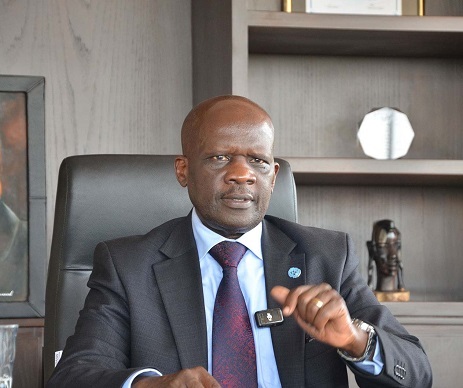
The declaration was made on Tuesday, July 28, 2026, by Health Minister Dr. Chris Baryomunsi during an official media briefing in Kampala, bringing relief to the country after months of heightened surveillance and emergency public health interventions.
The announcement follows the successful completion of two consecutive 21-day Ebola incubation cycles, the benchmark established by the World Health Organization (WHO) for declaring the end of an outbreak. Under WHO guidelines, a country can only declare an Ebola outbreak over after 42 consecutive days have passed since the last confirmed patient tested negative and was safely discharged from treatment, with no new cases detected during that period.
June 16 discharge was key
Uganda’s final locally transmitted Ebola patient was discharged on June 16, 2026. Since then, the Ministry of Health maintained intensive nationwide surveillance to ensure there were no undetected chains of community transmission. According to Dr. Baryomunsi, the country’s disease monitoring systems remained on high alert throughout the observation period, and no additional Ebola infections were identified.
“Throughout this period the Ministry of Health maintained intensive surveillance nationwide, and no new Ebola cases have been detected,” Dr. Baryomunsi said while announcing the country’s Ebola-free status.
The declaration marks the successful conclusion of an outbreak that began on May 15, 2026, after imported infections crossed into Uganda from the neighbouring Democratic Republic of Congo (DRC), where a much larger Ebola epidemic continues to spread.
2 deaths registered
Uganda confirmed 20 Ebola infections during the outbreak, of which 18 patients recovered and were discharged from treatment while two died. The two fatalities were Congolese nationals linked to the imported infections.
Health authorities attributed Uganda’s successful containment of the outbreak to a combination of rapid detection, aggressive contact tracing, institutional quarantine and strengthened border surveillance.
Investigators were able to reconstruct every transmission chain, confirming that each case originated from a fully documented cross-border importation event from the DRC. This comprehensive mapping enabled response teams to quickly isolate infected individuals and prevent widespread community transmission.
One of the most significant reasons Uganda succeeded in ending the outbreak was its ability to identify and monitor every person who had contact with confirmed Ebola patients. All identified contacts were placed under institutional quarantine facilities where they completed the mandatory 21-day observation period.
This approach ensured that anyone who developed symptoms could be detected immediately and prevented from transmitting the virus further.
Authorities also strengthened disease surveillance at border points, particularly along major truck routes and travel corridors linking Uganda with the Democratic Republic of Congo. Health screening teams were deployed to monitor travelers and detect suspected cases before they could enter communities. These measures were especially important because Ebola transmission continues to accelerate in eastern DRC, placing Uganda at continued risk of imported infections.
Digital surveillance systems
The Ministry of Health also credited advances in modern disease surveillance technologies for helping bring the outbreak under control. Dr. Baryomunsi said rapid molecular testing, genome sequencing, digital surveillance systems and real-time contact tracing significantly improved Uganda’s ability to detect infections early and interrupt transmission.
Genomic analysis confirmed that the outbreak was caused by a distinct Bundibugyo virus variant, the rarest of the four Ebola strains known to infect humans.
Unlike the more common Zaire Ebola strain, the Bundibugyo variant currently has no approved vaccines or specific treatments, making early detection and public health interventions the primary tools for controlling outbreaks. Despite this challenge, Uganda managed to limit infections through swift emergency response measures and years of investment in strengthening its public health infrastructure.
The minister praised frontline health workers, laboratory scientists, surveillance officers, researchers, local leaders, security agencies, development partners and communities across the country for their contribution to defeating the outbreak.
He said Uganda’s investment in stronger laboratory services, rapid case detection, contact tracing systems and community engagement played a central role in preventing wider transmission.
DR Congo epi-center
Although Uganda has officially declared the outbreak over, health authorities have cautioned that the risk of Ebola has not disappeared. The virus continues to spread in neighbouring Democratic Republic of Congo, where health officials have reported thousands of infections and more than 1,400 deaths.
The World Health Organization has described the ongoing outbreak in the DRC as the fastest-spreading Ebola epidemic ever recorded and warned that the true number of infections could be significantly higher than officially reported.
Because of this continued regional threat, Uganda will maintain heightened surveillance at all border entry points and keep rapid response teams on standby to investigate suspected cases. The Ministry of Health has also continued working closely with districts bordering the DRC to ensure any new infections are detected and contained immediately.
As part of broader regional preparedness, Uganda signed a memorandum of understanding with the DRC to strengthen joint cross-border Ebola surveillance and response efforts. The government has also established two mobile laboratories and an 80-bed Ebola treatment unit in Aru and Kasenyi in eastern DRC to support regional containment and reduce the risk of further cross-border transmission.
Dr. Baryomunsi urged Ugandans, particularly those living in border communities, to remain vigilant and continue observing public health measures despite the declaration. He encouraged the public to report illegal border crossings, seek immediate medical attention if Ebola symptoms develop, and notify health authorities through the Ministry of Health’s toll-free hotline or SMS alert system.
The minister also reassured citizens, visitors and investors that Uganda is safe and remains open for tourism, business and all socio-economic activities.
About the Author