
The Babiito and other subjects who decide on the new monarch
HABARI DAILY I Kampala, Uganda I The succession of the late King Oyo Nyimba Kabamba Iguru Rukidi IV has plunged the Tooro Kingdom into growing uncertainty, with the Babiito royal clan and elders rejecting claims that the late monarch left behind a young son who should inherit the throne.
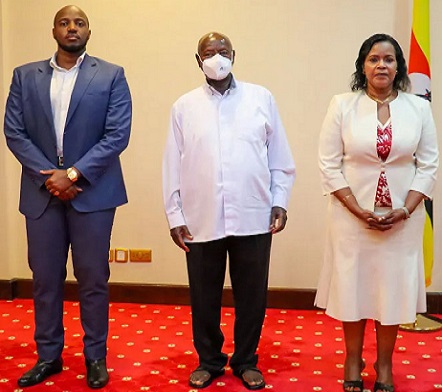
The dispute pits the position of the royal clan against claims attributed to Queen Mother Best Kemigisha and announced by Tooro Kingdom Prime Minister Calvin Armstrong Rwomiire Akiiki. President Yoweri Museveni has also said he was informed by the Queen Mother that King Oyo left a young boy who would be introduced at an appropriate time.
But the Babiito, who are the ruling royal clan, insist they have never been informed about such a child and say the traditional process of selecting a new Omukama cannot be bypassed.
Chief Prince Charles Kamurasi Akiiki, the Omusuuga and head of the Babiito royal clan, has been unequivocal in rejecting the reported heir.
“The King had no child. I don’t know about it because we have never been told that,” Kamurasi said.
The statement has opened a potentially delicate chapter in Tooro’s history because it directly contradicts the account given by the kingdom’s Prime Minister shortly after King Oyo’s death.
When announcing the monarch’s death on August 27, Rwomiire said King Oyo had left behind a prince whose identity would be revealed according to Tooro customs. President Museveni later reinforced the claim, saying Queen Mother Kemigisa had told him during a telephone conversation that the late King had a young boy heir.
The Babiito, however, argue that the Prime Minister does not have the customary authority to determine or announce a successor to the throne.
Kamurasi questioned where the Prime Minister obtained information about the alleged child, arguing that succession is a matter for the royal family and the Babiito clan.
“I heard the prime minister, while announcing Oyo’s death, saying he had left an heir. I don’t know where he got that information from,” Kamurasi said, adding that the Prime Minister “has no right or power to make such an announcement because he is not a member of the Royal Family.”
The disagreement has consequently raised questions over the identity, lineage and legitimacy of the child being presented as King Oyo’s successor.
For some elders, the issue goes beyond whether the boy exists. They are concerned about the possibility of a return to the arrangement that defined much of King Oyo’s early reign.
King Oyo ascended the throne in 1995 at only three years old following the death of his father, Patrick Olimi Kaboyo II. Because of his age, Queen Mother Kemigisa assumed the role of Defender and Regent of the Tooro Crown and played a central role in protecting and guiding the young monarch.
One elder, speaking on condition of anonymity, said some cultural leaders feared that installing another very young monarch could effectively prolong the Queen Mother’s influence over the kingdom.
“If we allow her grandson to take over, young as he would be, she will again rule over us indirectly for so many years to come, and that is unacceptable,” the elder said.
The concern has added a palace-politics dimension to what would ordinarily be a cultural succession process.
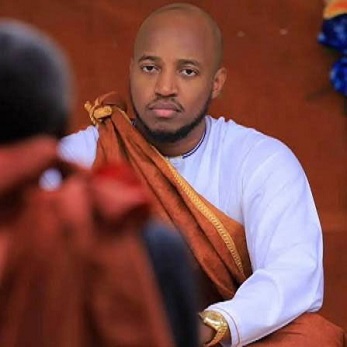
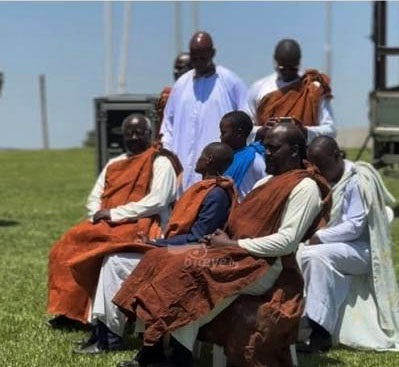
The Babiito have now moved to assert their authority. A 21-member committee of royal clan elders, headed by Kamurasi, has been constituted to oversee the traditional process of identifying and formally announcing King Oyo’s successor.
Rather than automatically accepting the reported child, the clan says it will examine the royal lineage and identify an eligible successor through the established customs.
Kamurasi has indicated that, in the absence of a recognised biological child of King Oyo, the search could return to the lineage of the late King George Rukidi III, Oyo’s grandfather.
“The new king will be identified from the existing princes,” Kamurasi said. “As members of the royal clan, we shall have to sit and sort out that issue, because he did not leave a child.”
The position has been reinforced by traditional protocols recently issued by the kingdom, which place the Office of the Musuuga at the centre of the cultural arrangements surrounding the funeral and succession.
The dispute therefore comes at a sensitive moment as Tooro mourns a monarch who spent more than three decades on the throne. King Oyo died on August 27 aged 34, having ruled since he was three.
For now, the central question facing Tooro is not merely who will succeed Oyo, but who has the authority to decide who succeeds him. With the Queen Mother’s camp pointing to a young heir and the Babiito insisting that no such recognised child exists, the kingdom’s elders face the difficult task of reconciling competing claims without deepening divisions within the royal institution.