

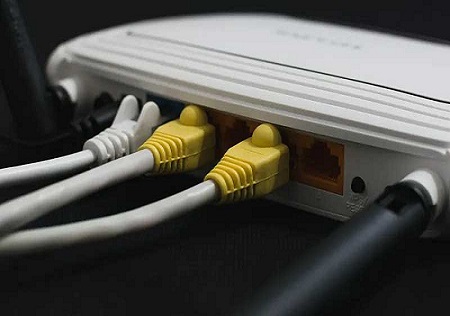
A Wi-Fi terminal
HABARI DAILY I Kampala, Uganda I For the over 4,000 unlicensed public Wi-Fi operators, the Uganda Communications Commission’s (UCC) seven-day ultimatum to dismantle their installations could mark the beginning of a devastating financial setback, threatening livelihoods, affordable internet access and a thriving informal digital economy.
The regulator, on October 13, 2026, announced plans for a nationwide enforcement operation targeting operators who provide internet connectivity to the public without the requisite Public Service Provider (PSP) licences.
Under the planned crackdown, operators who fail to voluntarily dismantle their installations risk having their routers and related transmission equipment seized and permanently destroyed, subject to court approval.

Nyombi Thembo
George William Nyombi Thembo, the UCC Executive Director said the commission had given the operators seven days to comply before enforcement teams move across the country to identify and remove illegal installations.
“A nationwide enforcement exercise is imminent. It will involve identification and takedown of illegal installations and seizure of routers and related equipment,” Thembo said.
While the commission maintains that the operation is necessary to protect consumers, enforce tax compliance and safeguard national communications infrastructure, the impending crackdown could have far-reaching economic and social consequences, particularly for low-income internet users and young entrepreneurs.
Affordable Internet Access at Risk
One of the most immediate consequences could be the disruption of affordable internet access for thousands of Ugandans who depend on neighbourhood Wi-Fi hotspots for their daily activities.
The operators typically purchase internet packages from established telecommunications companies, including MTN and Airtel, and resell connectivity to customers at lower prices without obtaining the necessary licences.
Their business model has enabled students, informal traders, small businesses and other low-income users to access the internet without purchasing relatively expensive individual mobile data bundles.
For students, affordable hotspots provide access to online learning materials, research resources and educational platforms. Small businesses and informal traders use them to communicate with customers, advertise products, process transactions and maintain their digital presence.
Removing the installations without immediately available alternatives could force these users to spend more on connectivity or reduce their internet consumption altogether.
The consequences could be particularly severe for people whose livelihoods increasingly depend on digital platforms but whose incomes cannot comfortably accommodate higher internet costs.
The crackdown therefore raises questions about how Uganda can enforce communications regulations without undermining efforts to expand affordable internet access.
Thousands of Youth Livelihoods Threatened
The enforcement operation also threatens the livelihoods of young entrepreneurs who have built small businesses around neighbourhood internet distribution.
Using routers and related networking equipment, including MikroTik and UniFi devices, operators have established hotspots serving residential neighbourhoods, trading centres and other public spaces.
For many, these businesses provide an entry point into entrepreneurship, allowing them to earn income from relatively modest investments in equipment and internet subscriptions.
The threatened seizure and destruction of routers could wipe out their capital overnight, leaving operators with equipment losses and no immediate means of recovering their investments.
Unlike businesses with substantial financial reserves, small-scale operators may struggle to replace the equipment or transition quickly into another enterprise.
The implications extend beyond the operators themselves to technicians, installers and other people who earn money maintaining and supporting the networks.
The sudden closure of these businesses could therefore undermine youth employment at a time when affordable technology has created opportunities for self-employment.
UCC, however, has indicated that it does not want to destroy the operators’ investments and is encouraging voluntary dismantling.
“We are regulators with a human face. We understand how our young people are desperate to get something to do. So we are proposing some pathways,” Thembo said.
He urged operators to remove their equipment themselves and keep it safely while the commission develops possible compliance arrangements.
UCC Cites Shs148 Billion Tax Loss
Despite the potential economic disruption, UCC argues that the unlicensed networks are undermining the country’s regulatory framework and depriving government of substantial revenue.
The commission estimates that the government loses approximately Shs148 billion annually in taxes because of unlicensed internet resale and associated non-compliance.
It also argues that operators who sell connectivity without the required licences gain an unfair advantage over registered internet service providers, which invest in infrastructure, pay taxes and comply with regulatory requirements.
Security and consumer protection concerns have also featured prominently in the regulator’s justification.
According to Thembo, some hotspots operate outside established subscriber registration and lawful interception systems, raising concerns about the ability of authorities to investigate communications-related offences.
The commission has further warned that unregulated networks may expose users to privacy violations and cyber threats without clear avenues for legal redress.
Physical safety is another concern. UCC says some operators have mounted routers and other equipment on electricity poles and telecommunications infrastructure without authorisation, potentially exposing installers to electrocution risks and obstructing maintenance crews.
The commission is also working with the Uganda Revenue Authority to curb the importation of telecommunications equipment by unlicensed operators.
Consolidation Offers Possible Lifeline
Rather than individually licensing thousands of fragmented operators, UCC is proposing that they organise themselves into larger, compliant businesses.
The commission intends to engage the Wi-Fi Hotspot Association on a possible framework under which operators could pool resources, consolidate their activities and establish one or two larger companies capable of obtaining PSP licences.
Individual hotspot operators could then potentially participate as licensed businesses’ agents or micro-franchisees, subject to the eventual regulatory arrangements.
Such a framework could preserve some existing livelihoods while bringing the sector within the formal regulatory system.







About the Author