
HABARI DAILY I Kampala, Uganda I Uganda’s health authorities are under pressure to establish whether a Nigerian woman diagnosed with Ebola passed through any potentially risky exposure points while transiting through the country, raising concerns about cross-border disease surveillance, public health preparedness and the economic implications of the outbreak.
The woman tested positive for the Bundibugyo strain of Ebola in Nigeria after travelling to the eastern Democratic Republic of Congo (DR Congo), which has been grappling with an ongoing outbreak of the disease. She reportedly transited through Uganda in early October without showing symptoms before developing signs of infection after arriving in Nigeria.
Although Uganda has no confirmed active Ebola cases, the development has placed the country’s disease surveillance systems under renewed scrutiny as authorities seek detailed information about the woman’s movements and possible contacts.
Uganda’s Ministry of Health has dismissed suggestions that the woman contracted the virus in the country, emphasising that passing through Uganda does not establish where she was infected.
“Travel through Uganda does not establish that infection occurred here. The location of exposure remains under investigation,” Prof. Charles Olaro, the Director General of Health Services, said in a statement.
The ministry said preliminary information indicated that the woman had travelled to eastern DR Congo on a business trip before transiting through Uganda. Officials said she had no symptoms while in Uganda and only became ill after reaching Nigeria.
Cross-border surveillance
The immediate concern for Uganda is determining whether the woman had any contact with people or places that could pose a public health risk during her transit.
The Ministry of Health said it was awaiting a detailed travel itinerary and medical history from Nigerian authorities to guide further investigations and determine whether any additional public health measures were necessary.
The information could help authorities establish the precise route taken by the patient, the duration of her stay in Uganda and whether she had any interactions requiring follow-up.
However, officials have cautioned against drawing conclusions before investigations are complete. The fact that the woman passed through Uganda does not automatically mean she infected anyone or that the country has experienced a new Ebola outbreak.
The uncertainty nevertheless highlights the challenges facing countries in the region, where people frequently travel across borders for business, trade and other activities.
Uganda has previously strengthened its preparedness measures during Ebola outbreaks, including screening travellers, monitoring suspected cases and sensitising communities about symptoms and preventive practices.
The latest development is likely to increase attention on these measures, particularly at entry points used by travellers arriving from countries affected by infectious disease outbreaks.
Potential economic consequences
Beyond the health concerns, the incident could have economic consequences if it triggers unnecessary alarm among the public, businesses and international travellers.
Uganda relies on cross-border trade, tourism, transport and other services that depend on the movement of people. Concerns about Ebola could affect travel decisions, discourage some visitors and disrupt commercial activities if the situation is misunderstood or exaggerated.
Businesses operating across the region could also face uncertainty if authorities introduce additional screening or movement controls in response to emerging evidence.
However, such consequences are not inevitable. The Ministry of Health’s clarification that Uganda has no confirmed active Ebola cases is intended to prevent misinformation and ensure that any response is guided by evidence rather than speculation.
A clear distinction between a traveller’s transit and the actual place of infection will therefore be important in protecting public confidence while allowing health authorities to take necessary precautions.
Nigeria intensifies response
According to the World Health Organisation (WHO), the woman arrived in Nigeria on October 3 and developed symptoms on October 7. She sought treatment at a private health facility in Abuja on October 11.
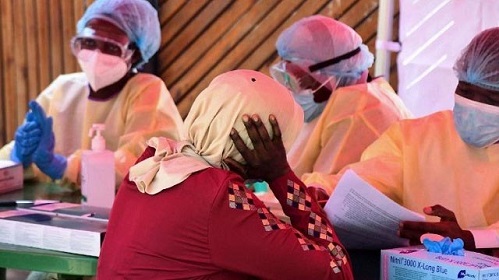
Laboratory tests confirmed that she had contracted the Bundibugyo strain of Ebola on October 20. She was subsequently placed in isolation and received medical care.
Nigerian authorities identified 44 contacts and began monitoring them while searching for other people who might have been exposed to the virus. They also moved to strengthen infection prevention and control measures at the health facility where she sought treatment.
The investigations in Nigeria are expected to provide additional information about the patient’s movements and possible exposure before she became ill.
For Uganda, receiving this information will be critical in determining whether any contacts need to be traced and whether additional interventions are necessary.
Public urged to remain vigilant
Prof. Olaro said Uganda would continue working with relevant agencies to strengthen screening and public health controls at entry points.
The ministry also indicated that limited provisions remained in place for humanitarian and diplomatic movement, underscoring the need to balance necessary travel with appropriate public health safeguards.
Authorities urged Ugandans to remain calm, observe basic hygiene measures, wash their hands regularly and follow verified updates from official Ministry of Health communication channels.







About the Author