

By Andy Kulanyi
HABARI DAILY I Kampala, Uganda I Parents’ stress in paying children’s school fees in Uganda creates emotional distress, causing fear about school reopening, feelings of guilt, and sometimes desperate measures to secure funding.
Three times a year, Uganda rehearses the same distressing ritual: long queues outside bursars’ offices, whispered negotiations for “one more week.” This at times results into children being sent home over partial payments. Education, which is our most reliable ladder out of poverty, henceforth turns into a termly liquidity crisis.
Working with schools and education-sector clients, I see both sides. Parents’ incomes rarely align neatly with the school calendar. Salaries delay, business cash flows are seasonal, and emergencies ignore fee deadlines.
Meanwhile, schools must pay teachers, stock food, service utilities, and meet loan obligations—costs that don’t wait for parents to catch up. That tension—between capacity and timing—is the real crisis.
Structural reality
Uganda’s education sector is vast and heavily private-sector driven. When private and faith-based institutions account for a substantial share of enrolment, employment, and capital investment, school-fee flows become a macroeconomic variable.
Delays at the school gate cascade through the value chain—transporters, food suppliers, printers, and uniform makers—disrupting livelihoods well beyond the classroom.
Yet many households struggling in January are creditworthy over 12 months. The issue isn’t inability; it’s liquidity mismatch.
Digitizing the Bursar’s Office
Liquidity support is only part of the solution. Payment friction also matters. Pearl Bank has digitized fee-paying channels to eliminate queues and extend convenience around the clock.
Parents can pay via USSD and mobile apps—including *229# and *263#—through agency banking networks, online banking portals, and integrations with platforms such as School Pay, Sure Pay and Pegasus. These integrations ensure instant reflection of payments in school accounts, improving transparency and cash-flow predictability.
In effect, we are modernizing the bursar’s office—reducing friction on both sides of the counter. When fees are paid digitally and reflected instantly, schools plan better and parents transact with dignity.
Supporting schools beyond term start
The liquidity mismatch does not affect parents alone. Schools face the same asymmetry—costs upfront, collections staggered.
To cushion this, Pearl Bank provides interim finance of up to Shs500 million unsecured for operational gaps such as salaries, utilities, and food supplies.
Beyond that, we offer asset financing for buses and infrastructure, development finance for expansion projects such as classroom blocks and dormitories, and even green finance solutions—solar installations and cleaner energy systems that reduce long-term operating costs.
Seen together, these products recognize a simple truth: education institutions are enterprises with cash-flow cycles, capital expenditure needs, and sustainability challenges.
Responsible lending in a sensitive sector
There is usually unease whenever borrowing and education appear in the same sentence. Are we normalizing debt for essentials? The better question is: what is the alternative?
In reality, many parents already borrow, informally, expensively, and without protection. A regulated school-fees loan offers structured repayment, transparent pricing, and behaviour-based pre-scoring to ensure credit is extended only to those with demonstrable repayment ability. That is how responsible finance works—bridging a gap without breeding over-indebtedness.
Data-driven underwriting matters here. By assessing verified income patterns, we protect borrowers while stabilizing schools. Some estimates suggest that structured liquidity can prevent 15–30% of learners from being sent home over non-payment. That alone is reason enough for disciplined financial innovation.
Education as economic infrastructure
But the fact of the matter is that education is economic infrastructure. When fee flows stabilize, supplier payments stabilize. When schools invest in classrooms, buses, and solar systems, they stimulate domestic enterprise. When children learn uninterrupted, the country compounds its human capital.
Financial institutions therefore have a duty beyond balance sheets. We must identify cheaper, longer-tenor funding partners to support educational infrastructure.
We must provide advisory services and financial literacy to proprietors expanding too quickly. And we must design products around real income patterns—not idealized pay cycles.
Toyomba na Bursar is not a silver bullet. It is a bridge—between aspiration and liquidity, dignity and deadlines.
No country becomes competitive by allowing term-start to feel like a national emergency. If Uganda is serious about building skilled human capital, then school fees must become predictable, manageable, and transparent.
The bursar’s office should be a place of administration—not negotiation. And no child should sit at home in February because January’s cash flow arrived two weeks late.







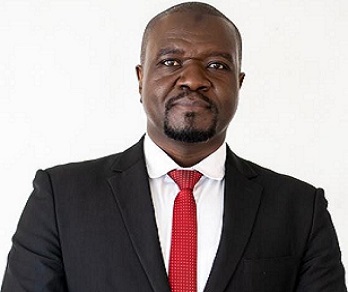
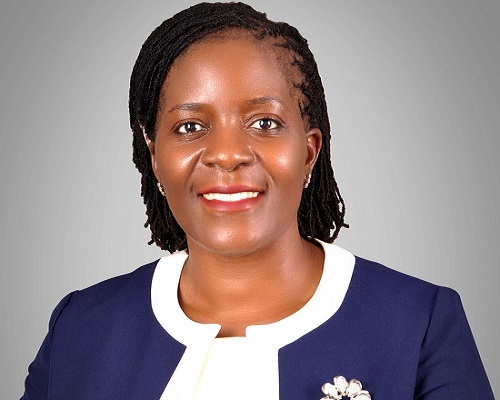
The writer is the Relationship Manager-Education Services at Pearl Bank
About the Author