

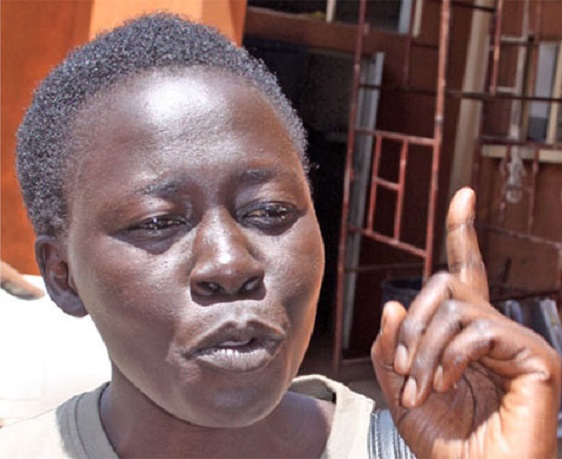
Alice Alaso Asianut
HABARI DAILY I Kampala, Uganda I A new book by veteran Ugandan politician Alice Alaso Asianut is stirring fresh debate about the role of women in leadership and the future of affirmative action in Uganda’s political landscape.
Titled Trials & Triumphs in the Journey for Affirmative Action Politics, the publication was officially launched in March 2026 during Women’s Month, with support from Konrad Adenauer Stiftung. The book offers a deeply personal and reflective account of Alaso’s journey through Uganda’s often turbulent political terrain, shedding light on both the victories and the enduring challenges faced by women in public life.
A former Serere District Woman Member of Parliament and now National Coordinator of the Alliance for National Transformation, Alaso uses the book to chronicle decades of experience navigating male-dominated institutions. Through a blend of memoir and political analysis, she exposes the structural and cultural barriers that continue to limit women’s full participation in governance.
“This book chronicles not only the triumphs I have experienced, but also the trials that have tested my resolve, and that of so many who have stood beside me in political action,” Alaso writes.
At the heart of the book is a critical examination of affirmative action itself. While acknowledging that such policies have created opportunities for women, Alaso challenges the notion that leadership should be defined by gender.
“I truly hope that one day we will not celebrate women becoming MPs, ministers, or presidents, because their gender will not matter,” she notes. “Political competition should be about ideas, policies, and vision—not gender.”
The book goes beyond policy debates to reveal the human side of political life. Alaso shares candid stories of personal sacrifice, resilience and the emotional toll of leadership. She reflects on the crucial role her family has played in sustaining her through difficult moments.
“When the world has tested me out here, I go back to my family, and they provide strong shoulders to lean on,” she writes, highlighting the often-unseen support systems behind political careers.
Her journey, as detailed in the book, began under humble circumstances. While at Makerere University, she recalls wearing her first pair of shoes—an experience that symbolised both progress and hardship. Despite the discomfort, she wore them throughout her university years, using the experience as a constant reminder of perseverance.
The narrative also pays tribute to the individuals who supported her rise, including close friends and mentors like Christine Odele Asutai. Alaso recounts how Asutai would leave chapatis in her kitchen during early political campaigns, ensuring she had something to eat before heading out to engage voters.
“These small but significant acts of kindness were instrumental in keeping me going,” she reflects.
Alaso does not shy away from critiquing Uganda’s political system. She highlights the growing influence of money in politics, warning that it risks undermining democratic values and sidelining principled leadership. She also points to systemic challenges, including inadequate institutional support and persistent gender biases that continue to disadvantage women leaders.
Described by the author as a “training manual,” the book is intended to guide and inspire emerging female leaders. It emphasises resilience, integrity and the importance of mentorship, drawing from real-life experiences to provide practical lessons for those seeking to enter public service.
Observers have hailed the book as a timely contribution to national discourse, particularly at a time when questions about representation and inclusion remain central to Uganda’s development agenda. The launch attracted prominent figures, including former Leader of Opposition Winnie Kiiza, underscoring its significance within political circles.
Priced at Shs40,000, Trials & Triumphs in the Journey for Affirmative Action Politics is already being described as a must-read for anyone seeking to understand the complexities of gender and leadership in Uganda.
Alaso’s work has been described as both a personal story and a broader call to action—urging a shift from gender-based recognition to merit-based leadership, while acknowledging the long and often difficult road that has brought women this far.







About the Author