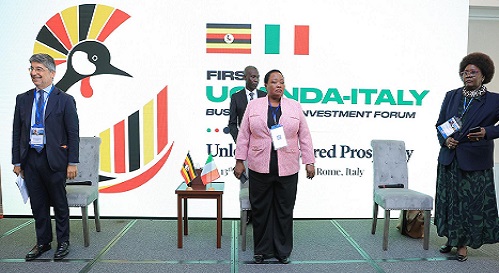


Patrick Ocailap
HABARI DAILY I Kampala, Uganda I As the US dollar continues to batter the Uganda shilling in the money market, the release of Shs21.82 trillion by the Government for the second quarter of the 2026/27 financial year could offer some reprieve to the struggling economy, although the impact will depend on how the money is spent and the extent to which it eases pressure on foreign exchange demand.
As of today, October 16, 2026, the US Dollar is trading at approximately 4,024.97 Ugandan Shillings, according to the live Investing.com Currency Data, due to shifts in the interest rate gap between the Federal Reserve and the Bank of Uganda, alongside local factors like agricultural coffee export receipts.
The funds, announced by the Ministry of Finance, Planning and Economic Development on Thursday, October 15, represent approximately 26 per cent of the approved annual budget and are intended to finance government operations, service delivery, infrastructure development and other public expenditure priorities.
However, the anticipated economic relief comes with a significant caveat: nearly half of the money will go towards debt obligations and treasury operations, limiting the proportion immediately available for development projects and activities that could stimulate production, employment and domestic demand.
Acting Permanent Secretary and Secretary to the Treasury Patrick Ocailap announced the release as Uganda grapples with currency depreciation, rising fuel and energy costs and an expanding trade deficit.
The shilling’s weakness has heightened concerns about the cost of importing fuel, machinery, medicines and other essential commodities, with the potential for exchange-rate pressures to feed into domestic prices.
Government expenditure could help cushion some of these pressures if the funds are channelled promptly into productive sectors, while the release of money for salaries, pensions and local government services could sustain household consumption and economic activity.
Debt takes almost half of the money
The biggest allocation, Shs10.75 trillion, will go towards debt and treasury operations, accounting for approximately 49.3 per cent of the total release. This reflects the growing pressure that public debt servicing and government financing needs are placing on the national budget.
While debt payments are necessary to maintain the country’s financial obligations and investor confidence, the allocation leaves less money available for direct investment in productive activities.
The shilling has come under renewed pressure from strong demand for dollars by fuel importers, manufacturers and other businesses, alongside weaker export receipts. Reuters reported on October 15 that the Ugandan currency was trading around Shs3,990 to Shs4,000 against the dollar, with further depreciation risks expected.
The government spending could support the economy by ensuring contractors, suppliers and public institutions receive funds owed to them. However, the release itself does not automatically increase the supply of dollars, which is essential to stabilising the exchange rate.
Indeed, if expenditure stimulates additional demand for imported goods without a corresponding increase in exports, it could add to pressure on the shilling.
Health, infrastructure and local governments
The transport and infrastructure sector has received Shs1.48 trillion to support roads, railway operations and Uganda Airlines, among other priorities.
The allocation could help sustain construction activities, support transport services and improve the movement of goods and people. In the longer term, reliable infrastructure can reduce business costs and improve the competitiveness of locally produced goods.
The health sector has been allocated Shs961.2 billion, including Shs416.5 billion for the Ministry of Health and Shs284.7 billion for National Medical Stores. Uganda Cancer Institute and Uganda Heart Institute will receive Shs165.5 billion collectively, while referral hospitals have been allocated Shs94.5 billion.
Timely disbursement could improve the availability of essential medicines, strengthen hospital services and reduce disruptions that force households to spend more on private healthcare.
Local governments will receive Shs457.4 billion to support service delivery across districts. This funding could help maintain community services and finance local activities, although its practical impact will depend on how efficiently districts use the money.
The Ministry of Energy and Mineral Development has been allocated Shs337.1 billion, while the Ministry of Defence and Veteran Affairs will receive Shs414.7 billion. Government wages and salaries account for another Shs2.42 trillion, with Shs376.6 billion earmarked for pensions and gratuity.
The wage and pension payments could sustain consumption by households that depend on government employment and retirement benefits, supporting demand for goods and services.
Growth faces a currency test
Uganda’s economy grew by 6.4 per cent in the 2025/26 financial year, up from 6.3 per cent in the preceding year, while nominal GDP reached Shs250.45 trillion. The latest budget release is intended to maintain that growth momentum while protecting essential services and strategic investments.
But the outlook remains complicated by rising international oil prices and inflationary pressures. On October 14, the Bank of Uganda raised its Central Bank Rate from 9.75 per cent to 12 per cent in an effort to contain inflation and address pressure on the shilling. Higher interest rates, however, can also increase borrowing costs for businesses and households.
The Shs21.82 trillion release could therefore provide an economic cushion by keeping government programmes running, paying workers and suppliers, and supporting infrastructure and essential services.
Whether the expenditure will ease the underlying pressures on the shilling will largely depend on whether the money translates into higher domestic production, stronger exports, efficient public investment and reduced dependence on imported goods.







About the Author