HABARI DAILY I Kampala, Uganda I Ugandans are now wondering how they will cope with the rising cost of transport following fresh fare increases announced by taxi and bus operators across the country, with some long-distance routes recording increases of up to Shs10,000.
The revised fares, introduced through regional transport associations, official notices and updated fare boards at major bus terminals, have been attributed to rising fuel prices, expensive vehicle maintenance and the increasing cost of operating public transport services.
The increases come barely weeks before the December festive season, when thousands of Ugandans travel upcountry to visit relatives, attend social functions and celebrate Christmas and New Year with their families.
Transport operators in Northern Uganda began implementing revised fares on November 1, 2026, following consultations between bus owners and leaders of taxi associations.
In Western Uganda, the United Bus Owners Association issued a stamped fare schedule dated November 13, announcing new prices that took effect on November 14.
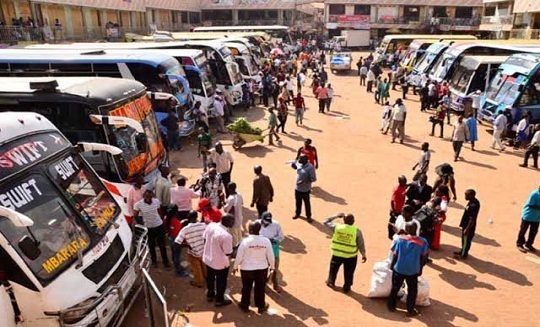
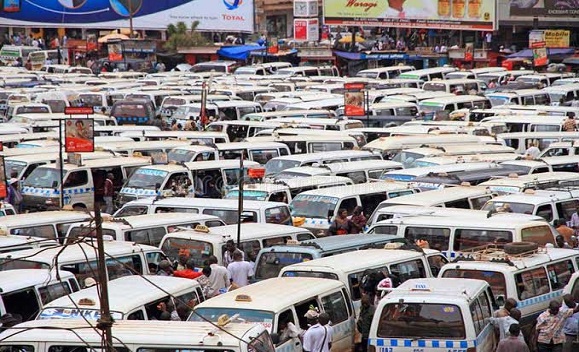
At Kampala’s major transport hubs, including Namayiba Bus Terminal and the New Taxi Park, operators have also updated fare boards to reflect the changing cost of travel.
The increases have left passengers facing higher transport bills, with operators warning that further adjustments could be introduced around mid-December if fuel prices and other operating expenses remain high.
New fares on major upcountry routes
The revised charges affect several major routes connecting Kampala to different parts of the country, as well as regional cross-border destinations.
Some of the newly announced fares for November 2026 include:
| Route | New fare |
|---|---|
| Kampala – Hoima | Shs30,000 |
| Kampala – Mbarara | Shs40,000 |
| Kampala – Fort Portal | Shs45,000 |
| Kampala – Kabale | Shs50,000 |
| Kampala – Kasese | Shs55,000 |
| Kampala – Kisoro | Shs60,000 |
| Kampala – Nairobi | Shs100,000 |
| Kampala – Bujumbura | Shs150,000 |
| Lira – Kampala (ordinary) | Shs40,000 |
| Lira – Kampala (executive) | Shs50,000 |
The Kampala–Hoima fare is expected to rise from Shs25,000 to Shs30,000 around December 15, while the Bujumbura fare has already increased from Shs120,000 to Shs150,000. The Nairobi fare of Shs100,000 is displayed at Namayiba Bus Park.
Other northern Uganda routes have also registered increases. Under the revised northern fare structure, passengers travelling from Kampala to Kamdini and Karuma pay Shs35,000, while those travelling to Gulu pay Shs40,000 for ordinary buses and Shs50,000 for executive services.
The fare to Kitgum is Shs60,000, Pader Shs70,000 and Kaabong Shs105,000.
In the Lango sub-region, travellers from Apac to Kampala pay Shs50,000 for ordinary buses and Shs60,000 for executive services, while those travelling from Aduku pay Shs45,000.
Why increased fares?
Transport operators attribute the adjustments primarily to the sharp increase in fuel prices, which have significantly reduced their operating margins.
Diesel prices at some Kampala fuel stations have approached Shs7,500 per litre, while petrol has crossed Shs7,000, compared with approximately Shs4,000 per litre earlier in the year.
The situation has been compounded by the weakening of the Uganda Shilling against the US dollar, which has increased the cost of imported vehicle components, tyres and spare parts.
Poor road conditions have also increased maintenance expenses, particularly for operators serving long-distance upcountry routes.
Bernard Anyeko Masango, spokesperson for the Northern Uganda Drivers and Transport Network Association, said operators had reached a point where their daily collections were insufficient to cover operating expenses.
“Sometimes when we drive and come back, we balance with nothing. You cannot even give the boss a single coin, yet the fuel debts remain,” he said.
Dennis Okwir, manager of Real Coach Bus Services in Lira, explained that a bus carrying 65 passengers could collect Shs1.95m at the previous Shs30,000 ordinary fare.
However, the company was spending approximately Shs2m on fuel alone for a journey, meaning that the collections could not adequately cover even the fuel bill.
He said increasing the fare to Shs40,000 would generate Shs2.6m from a fully occupied bus, providing additional money for workers’ wages, maintenance and other operational expenses.
“Passengers, you bear with us. It is not our willingness. It is the effect of fuel. That is why we have increased the price,” Okwir said.
More hikes expected in December
The November adjustments could be followed by further increases as transport operators prepare for the December festive season.
Nelson Sekandi, General Manager of Namayiba Bus Terminal, said operators had already revised fares in November but could be forced to increase them again as operating expenses continued rising.
“Although we have increased transport fares in November, we will also increase more in the festive season in December,” Sekandi said.
He explained that the cost of fuel, transport equipment and other operational requirements had continued increasing.
The Uganda Transport Operators Federation has also been engaging stakeholders over the financial difficulties facing transport businesses.
Meanwhile, the Ministry of Works and Transport has indicated that government has limited control over fare adjustments arising from rising operational costs, although official have appealed to operators to exercise restraint and avoid excessive increases.







About the Author