
URC’s Illegal structures demolition is not a new feature
HABARI DAILY I Kampala, Uganda I Implementation of the Presidential directive to restore and protect Uganda’s railway reserves will begin in earnest on October 12, 2026, with the Uganda Railways Corporation (URC) set to launch a nationwide operation to demolish illegal structures, evict encroachers and cancel land titles irregularly issued within railway corridors.
The enforcement campaign follows a Cabinet directive issued by President Yoweri Museveni during a meeting at State House Entebbe on September 30, 2026, in response to growing challenges affecting railway operations and the rehabilitation of the country’s meter-gauge network.
URC officials say illegal settlements and structures within railway reserves have become a major obstacle to railway operations, contributing to infrastructure vandalism, delays in rehabilitation works and safety risks, including train derailments.
The operation will cover railway corridors across the country, including the Kampala–Kasese line, Kampala–Malaba line, Tororo–Gulu–Pakwach line and the Busoga, Masindi and Arua corridors.
URC has warned that no illegal structure within the railway reserve will be spared during the exercise. The demolition will cover entire buildings erected inside the reserve as well as portions of structures that overlap or extend into railway land.
The corporation has also warned occupants in the affected areas to voluntarily vacate the designated railway reserve before the October 12 deadline or risk having their properties forcibly demolished.
The enforcement will focus on the 30-metre railway reserve corridor, which URC says must remain free of encroachment to ensure safe railway operations.
The corporation is also working with the Ministry of Lands, Housing and Urban Development to identify and cancel land titles that were fraudulently or erroneously issued over railway reserve land.
The move is intended to address a long-standing problem in which some individuals acquired titles covering land that is legally reserved for railway infrastructure, often through local land boards.
URC officials have maintained that possession of a land title does not legitimise occupation of railway reserve land where the title was irregularly issued.
The nationwide exercise will receive security backing from the Uganda Police Force and the Uganda People’s Defence Forces (UPDF), signalling the Government’s determination to enforce the directive and prevent resistance during the evictions.
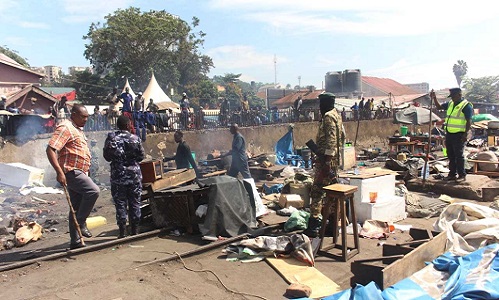
Enforcement has already started in some areas ahead of the October 12 deadline. Recently, joint security teams raided and cleared illegal settlements behind the Port Bell Abattoir in Kampala, demolishing several structures.
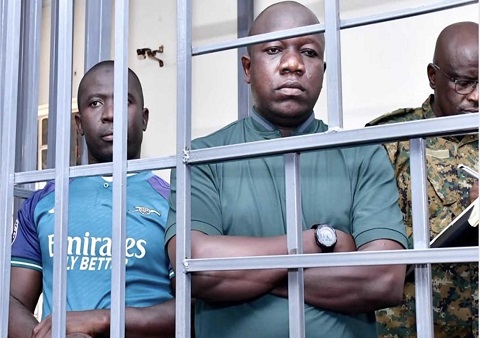
Six people were arrested after allegedly resisting the eviction, demonstrating the potentially confrontational nature of the nationwide exercise.
URC has consequently urged residents occupying railway reserves to leave voluntarily rather than wait for security teams to enforce the directive.
The crackdown comes as Uganda and other East African countries seek to strengthen regional railway infrastructure as part of broader efforts to improve public transport and facilitate trade.
In May, East African Community heads of state signed an agreement aimed at revamping existing railway networks and developing new standard-gauge railway infrastructure, including plans to extend the network to Rwanda.
URC officials say the planned expansion makes protection of railway land even more critical because construction and rehabilitation require clear corridors free from human settlements and other obstructions.
They noted that railway operators are required to work within a 30-metre reserve corridor on either side of the railway line, making encroachment a safety concern for both residents and railway workers.
The corporation argues that illegal structures close to railway tracks expose occupants to accidents while also restricting the ability of railway operators to inspect, maintain and upgrade infrastructure.
With the October 12 deadline approaching, affected residents now face a choice between voluntarily vacating the railway reserves or having their structures demolished by enforcement teams.
URC has warned that individuals who resist the exercise or obstruct authorised officials could also face prosecution under the law.







About the Author