
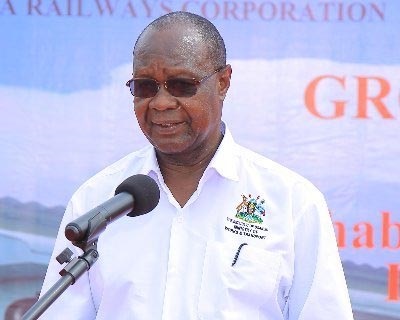
Bageya Waiswa
HABARI DAILY I Kampala, Uganda I Following thorough investigations, the Inspector General of Government (IGG), Lady Justice Naluzze Aisha Batala, has cleared Ministry of Works and Transport Permanent Secretary Bageya Waiswa of wrongdoing in the controversial cost escalation of the Busega-Mpigi Expressway project.
Investigations established that he was not involved in the decisions that caused its construction budget to balloon from Shs547.5 billion to approximately Shs1.35 trillion.
But she has ordered the immediate interdiction of Engineer Isaac Wani, the Commissioner for National Roads and former Director of Network Planning and Engineering at the now-defunct Uganda National Roads Authority (UNRA), to pave the way for further investigations into his alleged involvement in the cost escalation.
In a statement issued on Friday, October 23, 2026, the Inspectorate of Government said its investigations had established that the controversial decisions and design changes responsible for the soaring project costs were made under UNRA’s former management, before the project was transferred to the Ministry of Works and Transport in 2024.
The transfer was part of the government’s rationalisation programme, which saw UNRA’s functions absorbed into the ministry.
The findings effectively exonerate Waiswa, who had been placed on forced leave amid scrutiny of the project, with the IGG directing the Head of Public Service and Secretary to Cabinet, Ruth Nakyobe Mbonye, to lift the directive and allow him to immediately resume his duties.
“It was further established that Mr. Bageya initiated technical audits, funding approval and procurement processes aimed at getting the project back on track after the transfer of the project to the MoWT,” the IGG said.
“Therefore, the IGG has cleared Mr. Bageya of any wrongdoing.”
The IGG’s findings suggest that Waiswa’s involvement came after the key decisions that triggered the cost escalation had already been made, rather than during the period when the project’s original budget was revised upwards.
The ministry had inherited a project facing substantial financial and implementation challenges, requiring additional technical reviews, funding approvals and procurement interventions to facilitate its completion.
However, while clearing the Permanent Secretary, Batala directed him to immediately interdict Wani to allow investigators to examine his role during the period when the project’s construction costs escalated.
According to the Inspectorate, Wani served as UNRA’s Director of Network Planning and Engineering during the period under investigation, placing him within the former management structure responsible for overseeing the project’s planning and implementation.
The interdiction is intended to prevent possible interference with ongoing investigations and does not amount to a finding that Wani committed any wrongdoing.
The IGG cited Article 230(2) of the Constitution and Section 13(6) of the Inspectorate of Government Act as the legal basis for the directive.
Waiswa was also instructed to appoint an interim replacement to ensure continuity of operations within the roads department while investigations proceed.
The latest development comes against the backdrop of mounting questions over how the Busega-Mpigi Expressway, one of Uganda’s major road infrastructure projects, became significantly more expensive than initially planned.
The project was initially contracted at Shs547.5 billion, but its estimated construction cost has since risen to approximately Shs1.35 trillion following design changes and additional works.
The increase of about Shs802.5 billion has raised concerns about planning, contract management, accountability and the use of public funds in implementing major infrastructure projects.
An earlier audit by the Auditor General faulted UNRA for awarding the construction contract without adequate detailed designs, a shortcoming that contributed to costly revisions and delays.
By May 2024, the original contract funds had been exhausted even though physical construction progress stood at approximately 41 per cent, exposing the scale of the project’s financing challenges.
Parliament subsequently approved additional financing of about Shs898.5 billion in October 2025 to support the completion of the expressway.
The project has also been the subject of earlier investigations that resulted in the suspension of engineers Edwin Raymond Kiyaga and Dickens Ahimbisibwe over allegations of embezzlement of project funds.
The latest IGG findings now shift attention towards decisions made under UNRA’s former management as investigators seek to establish individual responsibility for the substantial cost increases.
The 23.7-kilometre Busega-Mpigi Expressway is intended to ease congestion along the Kampala-Masaka highway, improve traffic movement around the capital and strengthen transport connectivity between Kampala, western Uganda and neighbouring countries.
Its completion is considered important for reducing travel delays, improving the movement of goods and supporting trade along one of the country’s major transport corridors.
The cost escalation has, however, raised questions about the effectiveness of project preparation and oversight, particularly the consequences of undertaking major construction works without sufficiently detailed designs at the outset.
Waiswa’s clearance provides a distinction between officials who inherited the project after the controversial decisions and those whose actions during the earlier stages are now under investigation.
For the Inspectorate of Government, the next phase will be to establish whether the decisions taken during the project’s initial implementation were justified and whether any officials bear responsibility for the additional expenditure.
The interdiction of Wani is therefore an administrative measure intended to facilitate the inquiry, rather than a conclusion on his culpability.







About the Author