
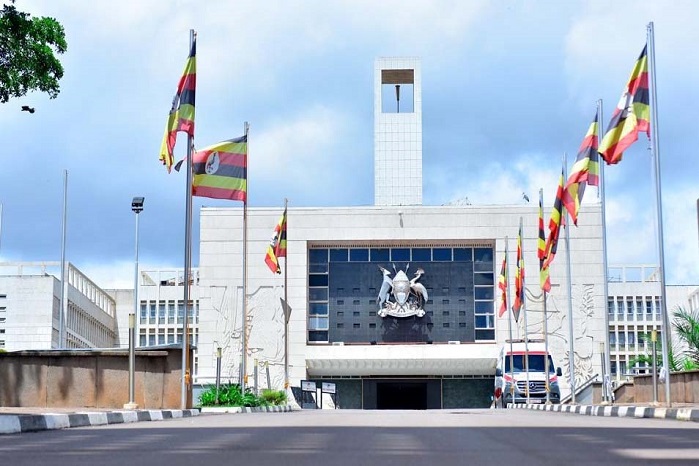
HABARI DAILY I Kampala, Uganda I Members of Parliament are seeking Shs 73 billion for foreign travel in the 2026/27 financial year, part of a broader Shs 1.195 trillion budget proposal presented by the Parliamentary Commission. The request has sparked debate over the rising cost of governance, with legislators and analysts offering competing explanations for the growing expenditure.
The allocation for travel abroad stands out as one of the most significant components of the proposed budget, reflecting what parliamentary officials describe as the increasing demand for international engagement. MPs argue that foreign travel is essential for benchmarking, diplomacy, and participation in global legislative forums, all of which are considered critical to improving Uganda’s legislative processes.
Each MP who travels abroad on official duty is entitled to a daily subsistence allowance of $720 (approximately Shs 2.6 million), a figure that quickly accumulates given the frequency and duration of such trips. Parliamentary insiders say these travels often involve committee work, oversight visits, and international conferences where lawmakers exchange best practices with their counterparts from other countries.
Allowances take lion share
Beyond travel, the proposed budget includes Shs 117 billion for MPs’ allowances and perks. These cover a wide range of expenses, including welfare, entertainment, fuel, and workshops. Statutory salaries are projected at Shs 119.7 billion, while emoluments will consume the largest share at Shs 579 billion. Additional allocations include Shs 22 billion for medical expenses, Shs 17 billion for inland travel, and Shs 27.4 billion for gratuity.
Bugabula North MP John Teira, who presented the Legal and Parliamentary Affairs Committee report, told Parliament that the increased funding is necessary to ensure legislators effectively execute their constitutional roles. He noted that Parliament is facing a budgetary shortfall of Shs 18.77 billion for oversight, legislation, and representation.
“This, if not addressed, will impede timely and responsive oversight, legislation and representation functions,” Teira said, adding that an additional Shs 12 billion is required to support committee operations.
A notable addition to the budget is Shs 5.636 billion earmarked for enhanced medical insurance, including treatment abroad. According to Teira, the increase is driven by rising insurance premiums and the need to extend coverage for MPs beyond 70 years, up from the current limit of 65.
Expanded medical coverage
“Members subscribe to various medical insurance providers. However, the annual premium has increased because of the need to cover members beyond the age threshold,” he explained.
The push for expanded medical coverage, alongside travel and other allowances, has drawn criticism from some quarters. Economist Dr Fred Muhumuza questioned the sustainability and justification of the rising expenditure, particularly in areas such as travel, healthcare, and donations.
“First of all, the total budget is quite high compared to history, and it keeps rising. I can understand some costs are going up, like maybe in travel, but there are some outrageous items,” he said, pointing to allocations for funerals and other benefits.
Muhumuza also raised concerns about the logic behind simultaneously increasing spending on medical treatment and death-related expenses, arguing that the two should ideally move in opposite directions if healthcare investments are effective.
However, governance expert and former MP Dan Wandera Ogalo downplayed the controversy, noting that many of these expenditures are not new but rather incremental adjustments to existing provisions.
“It appears that there is already a vote for it; it is not a new matter. They only want an increment. This means it was originally debated and approved,” he said.
Shs 25 million monthly salary
Currently, MPs receive a consolidated monthly pay of at least Shs 25 million, a one-off car grant of Shs 200 million, and various allowances, including mileage, constituency facilitation, and subsistence. They are also entitled to medical insurance worth about Shs 5.5 billion annually for all members.
In addition to foreign travel, MPs receive Shs 400,000 per day for inland trips, further highlighting the significant role that travel plays in parliamentary expenditure.
As Parliament prepares to debate and approve the budget ahead of the July 1 start of the financial year, the Shs 73 billion travel allocation is likely to remain a focal point. While lawmakers defend it as essential for effective governance and international engagement, critics argue that it underscores the need for stricter prioritisation and accountability in public spending.
The outcome of the debate will not only shape Parliament’s operations in the coming year but also signal how Uganda balances the demands of governance with growing public scrutiny over the cost of maintaining its legislative arm.







About the Author