
HABARI DAILY I Kampala, Uganda I The Ministry of Health Uganda has dismissed reports that Uganda has established new Ebola treatment centers across the country, insisting that the government was never consulted about the initiative announced by the United States Department of State.
The controversy emerged after the U.S. government’s foreign assistance unit announced on May 19, 2026 that it would fund and rapidly deploy up to 50 Ebola treatment clinics in affected regions of the Democratic Republic of the Congo and Uganda following renewed Ebola concerns in the region.
However, Ugandan authorities quickly distanced themselves from the declaration, saying no bilateral discussions had taken place and that Kampala was unaware of any plans to establish such facilities within the country.
In an official statement, the Ministry of Health said: “The Government of Uganda has not established any new Ebola treatment centers around the country, and no consultations were held with the Ministry regarding the claims being circulated internationally.”
The ministry added that Uganda’s Ebola preparedness and response structures remain under government supervision and coordination.
Health officials said the country’s current Ebola situation does not warrant the establishment of dozens of emergency treatment facilities because Uganda is not experiencing an internal outbreak.
According to the Ministry of Health, Uganda has only recorded two imported Ebola cases linked to the outbreak in eastern Congo. One patient died while another remains under isolation and treatment.
Officials stressed that the cases were swiftly identified through the country’s surveillance system and contained before widespread community transmission could occur.
The government’s rejection of the U.S. claims is partly aimed at protecting Uganda’s international image and avoiding unnecessary panic among citizens and tourists.
Authorities fear that reports suggesting mass deployment of Ebola treatment clinics could create the impression that Uganda is facing a full-scale epidemic, potentially affecting tourism, trade and investment.
Uganda’s tourism sector remains one of the country’s biggest foreign exchange earners and is still recovering from the disruptions caused by the COVID-19 pandemic.
Health experts say exaggerated outbreak narratives can trigger travel cancellations and economic anxiety even when the actual public health threat remains limited.
The Ministry of Health also emphasized that Uganda has extensive experience handling Ebola outbreaks and already possesses the necessary infrastructure to respond to isolated imported infections.
Uganda has previously managed several Ebola outbreaks in districts such as Kasese, Mbarara and Mbale with support from international health agencies.
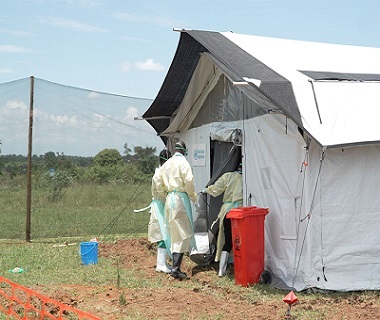
The country’s response systems include isolation units, rapid response teams, mobile laboratories and border surveillance mechanisms.
Officials said Uganda continues to work closely with international partners including the World Health Organization to strengthen screening operations at border entry points, particularly along the frontier with the DRC where cross-border movement remains high.
At the same time, the government argued that foreign governments and aid agencies must respect Uganda’s sovereignty and established public health coordination systems before making announcements involving infrastructure projects inside the country.
The Ministry of Health noted that all international health interventions are expected to be discussed and approved through official government channels to ensure consistency with national priorities and the actual disease situation on the ground.
“Uganda remains committed to collaborating with international partners in disease prevention and border surveillance, but all interventions must be aligned with existing national response frameworks,” the ministry said.
Public health officials also reassured Ugandans that surveillance teams remain active across high-risk border districts and that the situation remains under control.
Authorities have urged the public to remain calm, avoid spreading misinformation and continue observing public health guidelines as the government monitors developments in the neighboring DRC.
The latest dispute nevertheless highlights the delicate balance between international emergency response efforts and national sovereignty, especially in regions where infectious disease outbreaks can quickly escalate into cross-border health crises.







About the Author