
Pastor Robert Kayanja
HABARI DAILY I Kampala, Uganda I Religious Leaders have confirmed that Pastor Kayanja’s Prophesy about Frank Gashumba will come to pass. They said that Pastor Kayanja would face a harsh end similar to former Libyan leader Muammar Gaddafi because Gashumba allegedly ridiculed the blood of Jesus and attacked people of faith.
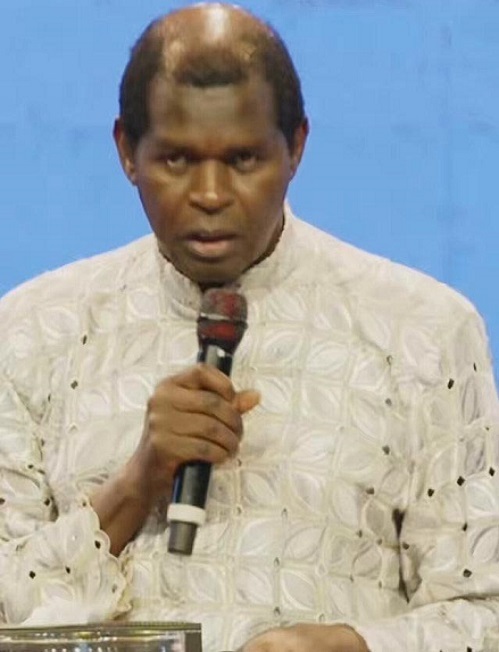
Pastor Robert Kayanja, the lead pastor of Miracle Centre Cathedral in Rubaga, Kampala, has intensified his public confrontation with businessman and political commentator Frank Gashumba, warning that his alleged attacks on Christianity and religious leaders could have deadly consequences.
However, the claims that Gashumba will suffer a destructive end remain Kayanja’s religious declarations, and no independent evidence establishes that the predicted events will occur.
Kayanja delivered the statements during a Wednesday night service at Miracle Centre Cathedral, days after Gashumba challenged Ugandan pastors to demonstrate the miraculous healing powers they publicly claim.
The pastor devoted part of his message to condemning the commentator, accusing him of repeatedly attacking prominent individuals, institutions and religious communities.
“This man, Frank Gashumba, attacks everything. He attacked the Katikkiro of Buganda and he abused and insulted him. Before that he was abusing the president and we couldn’t say anything. He has attacked the Catholics. He has lied about me… he attacks and abuses everyone. Enough is enough,” Kayanja said.
Pastor Solomon Jjengo from the Covenant Church could not agree more with Pastor Kayanja, saying that many prophesies against people who stood in God’s way have historically come to pass.
“We have seen many people denying that God is in existence, and they ended badly. Others cursed the most high God in public, while others burnt Bibles, and had to eat their own words. Where are they now? Aren’t they in the pit of hell?” he implored, adding that Pastor Kayanja’s prophesy will definitely come to pass. “Let’s just give it time.”
Kayanja invokes biblical warning
During the sermon, Kayanja invoked the biblical account of the prophet Elijah, who called upon God to answer by fire, presenting the story as a declaration of divine authority against those who challenge God’s people.
“If there is a God in heaven, he will answer by fire; for the God that answered by fire in the days of Elijah is still the same God,” he said.
The pastor accused Gashumba of ridiculing the blood of Jesus Christ and warned that the commentator would face consequences for what he described as attacks against God and believers.
“Because you have ridiculed the blood of Jesus and you attacked God’s people, your own blood will kill you,” Kayanja declared.
He further called upon heaven, earth, Uganda and the wider world to witness his words against Gashumba, invoking dust, wind and the ground as forces that would allegedly reject the commentator for challenging religious leaders and believers.
The remarks marked an escalation in the disagreement between the two men, transforming their public dispute over religious claims into a confrontation involving warnings of divine judgment and death.
Gaddafi comparison sparks concern
Kayanja also invoked the fate of former Libyan leader Muammar Gaddafi, who was captured and killed in October 2011 during the uprising that ended his decades-long rule.
“Like they did Gaddafi, they will. You have attacked everything that people believe in. Therefore the blood of Jesus Christ now speaks against you. The words of God stand against you,” the pastor said.
The comparison suggested that Gashumba could face a similarly violent end, although Kayanja did not provide independently verifiable evidence that such an outcome would occur.
The warning has placed renewed attention on the boundaries between religious expression, public criticism and the language used by influential figures during disagreements.
Gashumba’s challenge to pastors to prove their claims of miraculous healing appears to have been a major trigger for Kayanja’s response.
The disagreement also reflects broader tensions surrounding public scrutiny of religious leaders, particularly when questions are raised about healing claims, spiritual authority and the accountability of prominent church figures.
Debate over criticism of religious leaders
Kayanja’s statements have raised questions about whether criticism of religious leaders should be treated as an attack on faith itself.
While religious leaders and believers may regard statements perceived as mocking Christianity as offensive, public disagreements over religious claims can also be addressed through evidence, dialogue and peaceful debate.
Gashumba’s challenge concerning miraculous healing placed the burden on pastors making such claims to demonstrate their assertions. Kayanja, in turn, framed the dispute as an attack on God, Christianity and believers.
The two positions illustrate the sharp disagreement over the relationship between religious conviction and public accountability.
Kayanja’s invocation of divine punishment and Gaddafi’s death has also heightened the seriousness of the exchange because of its explicit references to bloodshed and a potentially fatal outcome.







About the Author