
Tooro Kingdom Succession Controversy: Babiito Are Looking At Options To Find A Successor To The Late King Oyo
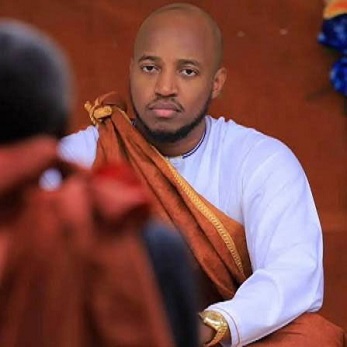
The late Tooro King, Oyo Nyimba Kabamba Iguru Rukidi IV
HABARI DAILY I Kampala, Uganda I What appeared to be a straightforward succession following the death of Tooro King Oyo Nyimba Kabamba Iguru Rukidi IV has been thrown into uncertainty after the head of the Babiito royal clan rejected claims that the late monarch left behind a biological heir.
Tooro Chief Prince (Omusuuga) Charles Kamurasi Akiiki, who heads the Babiito, has categorically said the royal family was never informed that King Oyo had fathered a child, directly contradicting earlier statements by Tooro Kingdom Prime Minister Calvin Armstrong Rwomiire Akiiki and President Yoweri Museveni that the late king left a young prince who could succeed him.
“The King had no child. I don’t know about it because we have never been told that,” Kamurasi said, throwing the succession question wide open at a time when the kingdom is mourning its late monarch and preparing for his burial.
The remarks have introduced a potentially significant disagreement within the kingdom over one of the most important questions following King Oyo’s death: who should inherit the Tooro throne?
King Oyo died in the United States on August 27, 2026, aged 34, after reigning over Tooro for more than three decades. He became king in 1995 at just three years old following the death of his father, Omukama Patrick Matthew Kaboyo Rukidi III.
Following his death, Prime Minister Rwomiire announced that the king had left behind a young prince who would be his heir, although he said the identity of the child would be revealed at the appropriate time in accordance with Tooro customs.
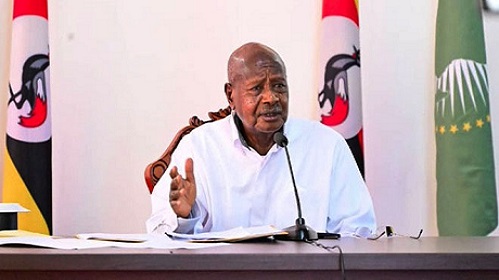
President Museveni subsequently appeared to confirm the existence of the heir. On August 29, he said Queen Mother Best Kemigisa had informed him during a telephone conversation that King Oyo had left a young boy who could inherit the throne.
Kamurasi’s intervention, however, challenges that account.
The Omusuuga questioned where the prime minister obtained the information about the alleged heir and maintained that Rwomiire did not have the customary authority to declare that the late king had left a successor.
“I heard the prime minister, while announcing Oyo’s death, saying he had left an heir. I don’t know where he got that information from,” Kamurasi said.
“Moreover, he has no right or power to make such an announcement because he is not a member of the Royal Family,” he added.
The dispute is significant because succession to the Tooro throne is not merely a question of identifying a biological child. It is deeply rooted in the customs of the Babiito, the royal clan from which the Omukama is chosen.
Kamurasi’s office maintains that the Omusuuga, as head of the Babiito, has a central role in guiding cultural processes following the death of a king, including the identification and installation of a successor.
A 21-member committee of Babiito elders has consequently been constituted under Kamurasi to handle the succession process. The committee is expected to examine the royal lineage, identify a suitable successor, communicate the decision to relevant stakeholders and oversee the customary rituals leading to the installation of the next king.
With Kamurasi denying knowledge of an heir, the Babiito are now looking beyond the reported young prince and back into the wider royal lineage.
“What will happen now is that we shall go back to the Rukidi lineage and those issues have to be sorted out by the clan,” Kamurasi said.
The reference is to Omukama Rukidi III, King Oyo’s grandfather, who ruled Tooro from 1921 until 1965. The Babiito succession process could therefore involve examining members of that lineage as the clan seeks to determine who is eligible to occupy the throne.
For now, the competing accounts have left the kingdom at a crossroads. While the Prime Minister and the President have spoken of a young heir, the person responsible for the Babiito succession process says no such child has been presented to the royal family.
The disagreement does not, however, automatically determine the next king. Instead, it places the responsibility squarely on the Babiito elders and the succession committee headed by the Omusuuga to establish the facts and determine the way forward.
About the Author