
Col. Dr. Kizza Besigye
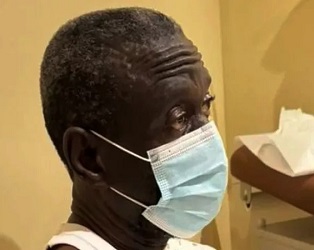
HABARI DAILY I Kampala, Uganda I Col. Dr. Kizza Besigye was transferred from Luzira Prison to the Joint Clinical Research Centre (JCRC) hospital after dark on Friday, August 28, 2026, following another sharp deterioration in his health. The development has renewed concerns over the condition of the detained opposition figure and intensified calls from his family for him to receive specialized medical treatment abroad.
Besigye was reportedly moved from the prison to the JCRC facility, located off Entebbe Road about 10 kilometres from Kampala, after his health worsened. The transfer came only days after he had been moved from the Luzira Prison health facility back to his cell, raising fresh concern among his family and political allies about his ability to cope with detention.
His wife, Winnie Byanyima, said Besigye remains severely weak and is struggling with basic physical activities. According to Byanyima, he has difficulty walking and speaking, while writing and holding objects steadily have also become challenging.
“He is still very weak. He struggles to walk, speak, write or even hold anything steadily,” Byanyima said.
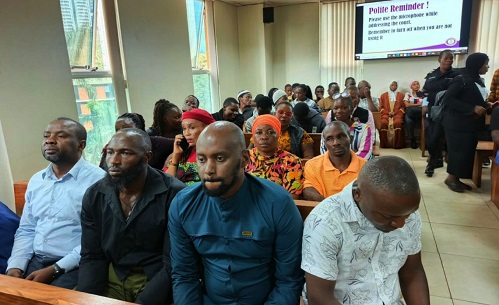
The latest hospitalization adds to a series of health concerns surrounding Besigye during his detention. His condition has previously deteriorated severely, including an incident in which he collapsed during court proceedings. Those episodes have heightened scrutiny of his health and the medical care available to him while in custody.
Byanyima has renewed her appeal for authorities to allow Besigye to leave Uganda and travel to Geneva, Switzerland, for further treatment. She has argued that he requires specialized medical attention and the support of his family during his recovery.
“I am asking for one thing – let me bring him home to Geneva for proper medical care, surrounded by his family,” she said.
Byanyima, who heads UNAIDS, has repeatedly appealed to President Yoweri Museveni to permit her husband to travel to Switzerland. She has said that she and her family have access to advanced and free healthcare services there, which she believes would provide Besigye with the care he currently needs.
Her latest appeal also questioned the circumstances under which Besigye continues to be detained and required to participate in legal proceedings despite his deteriorating condition.
“Why drag a sick man from place to place? Why deny him the care of his family? Why force a trial on a man too ill to defend himself?” she asked.
The transfer to JCRC is likely to keep attention focused on Besigye’s medical condition, as concerns persist among his relatives and opposition supporters about his treatment while in detention. Family members and opposition allies have continued to call for access to independent medical professionals, expressing skepticism about whether his healthcare needs can be adequately addressed within the detention system.
Besigye’s hospitalization also places renewed emphasis on the intersection between his legal proceedings and his deteriorating health. His supporters maintain that his condition should be given priority and that he should be allowed to receive treatment in an environment where his family can be closely involved in his care.







About the Author