
HABARI DAILY I Kampala, Uganda I The government has failed to convince Kampala traders to formally suspend their nationwide shop shutdown or reopen all businesses, as divisions within the business community, unresolved tax disputes and growing frustration with Uganda Revenue Authority (URA) enforcement continue to complicate negotiations.
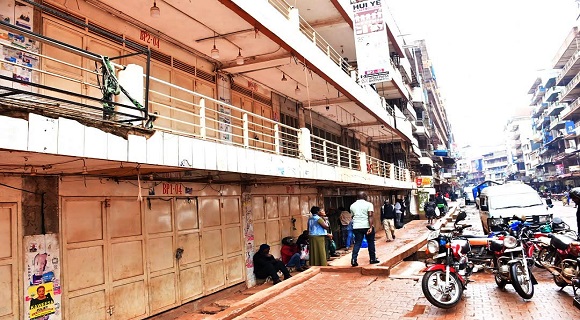
The strike, called by the Kampala City Traders Association (KACITA), entered its second day on Wednesday, November 18, 2026, with several shops and arcades in Kampala’s major commercial centres remaining closed despite high-level government interventions.
Prime Minister Robinah Nabbanja has convened meetings involving traders’ representatives, URA officials and other stakeholders in an attempt to resolve the disagreements, but the discussions have yet to produce a comprehensive agreement that would persuade traders to abandon their protest.
At the centre of the dispute are complaints about the kilogram-based assessment of textile imports for taxation, delays in customs clearance and what traders consider aggressive enforcement practices by URA officials.
Although the government has shown willingness to consider reviewing some of the disputed measures, traders have remained unconvinced that the proposed interventions sufficiently address their grievances.
Unresolved tax and customs disputes
One of the biggest obstacles to ending the strike is the disagreement over how imported textiles are assessed for taxation.
Traders have complained about the kilogram-based assessment system, arguing that it creates uncertainty and exposes businesses to what they consider unfair tax assessments.
Customs clearance delays and enforcement practices have further heightened tensions between traders and URA, with some business operators demanding changes in the way the tax authority handles imported merchandise.
During the engagements convened by Nabbanja, discussions reportedly explored the possibility of reviewing the textile weight-assessment system and reassigning a disputed enforcement official.
However, these proposals had not translated into a final agreement capable of ending the shutdown.
The absence of a clear commitment on the outstanding complaints has therefore left sections of the business community unwilling to reopen their premises.
Divided traders
Another complication facing the government is the lack of unity among traders, with several business associations distancing themselves from KACITA’s decision to close shops.
The National Entrepreneurs and Traders Association (NETA Uganda), Federation of Uganda Traders Associations (FUTA) and Mbarara City Traders Association have expressed reservations about the shutdown, citing inadequate consultation or disagreement with the protest strategy.
Some traders argue that closing businesses during the festive season is counterproductive, particularly when negotiations with government can continue without interrupting commercial activities.
This disagreement has made it difficult for the government to negotiate with a unified business community capable of making and enforcing a collective decision.
Consequently, even if some representatives agree to suspend the strike, their decisions may not automatically translate into the reopening of all affected businesses.
The Office of the Prime Minister has consequently broadened consultations to include other trader groups that opposed shutting down businesses during the festive shopping season.
Festive season pressure fuels resistance
For traders opposed to the shutdown, the timing of the protest is particularly worrying because November and December are traditionally important months for retail businesses.
Many businesses depend on festive-season sales to generate revenue, clear outstanding obligations and prepare for the following financial year.
Keeping shops closed means losing customers and daily income at a time when businesses are expected to experience increased demand.
Traders also have to meet rent payments, service loans, settle taxes and cover employees’ salaries and other operational expenses regardless of whether their shops are operating.
For smaller businesses already struggling with high operating costs and declining purchasing power, extending the shutdown could worsen their financial difficulties.
Some traders have also questioned whether closing shops is an effective way of resolving disagreements with URA, arguing that sustained dialogue would produce more practical solutions.
These concerns have encouraged some businesses to resume operations even as others maintain the shutdown.
Security deployment fails to guarantee reopening
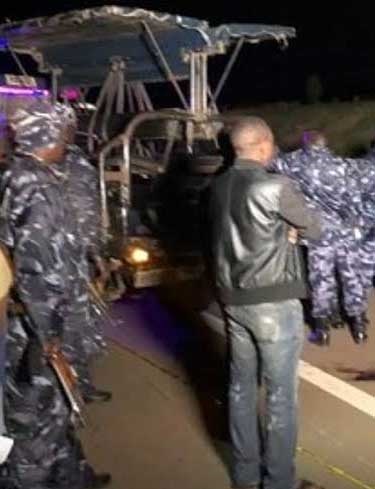
The government’s response has also included deploying police and other security personnel across Kampala’s Central Business District to maintain order and prevent intimidation.
Security officers have been tasked with protecting traders willing to operate and encouraging businesses to reopen.
Authorities have also arrested individuals accused of forcing other traders to close their shops, highlighting the growing tensions between those supporting the strike and those opposed to it.
However, security deployments have not produced uniform compliance.
Several commercial centres, including Kikuubo, Owino, Kisekka and Nakasero, have experienced fluctuating business activity, with some shops remaining closed while others intermittently reopen.
The situation illustrates the difficulty of using security measures to resolve an industrial dispute rooted in disagreements over taxation, customs administration and business regulation.
Negotiations continue
The government’s inability to secure a formal suspension of the strike demonstrates that the dispute requires more than appeals for businesses to reopen.
Traders want tangible assurances that their concerns over textile taxation, customs clearance and URA enforcement will be addressed.
At the same time, divisions within the business community have weakened KACITA’s ability to present a universally accepted position on behalf of traders.
With some businesses prioritising festive-season earnings and others insisting on maintaining pressure on government, Kampala’s commercial centres remain caught between protest and attempts to restore normal operations.







About the Author